

Telemecanique Limit Switches
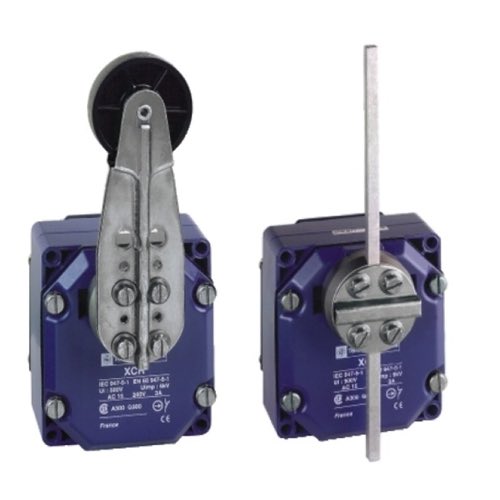
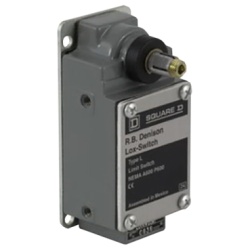
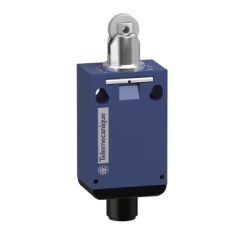
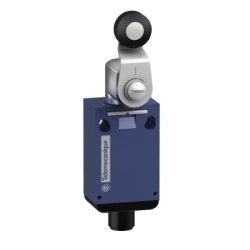
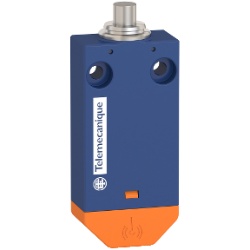
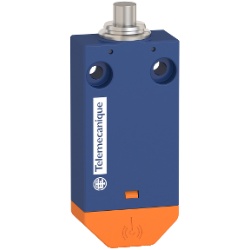
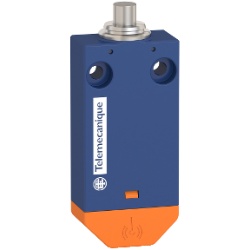
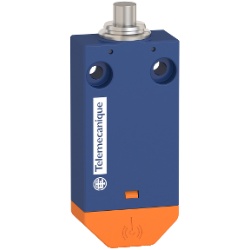
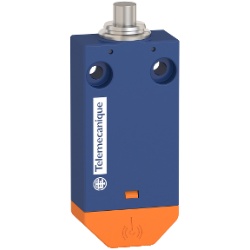
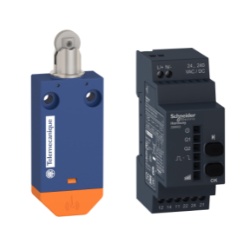
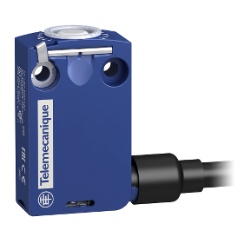
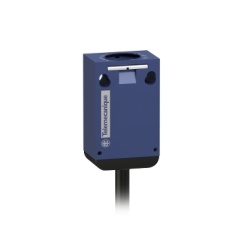
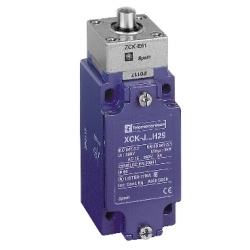
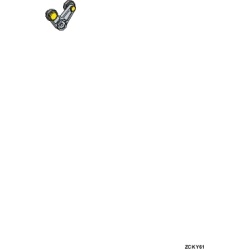
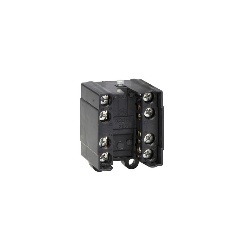
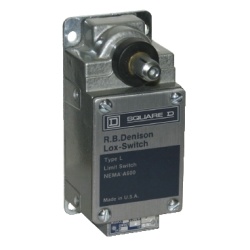
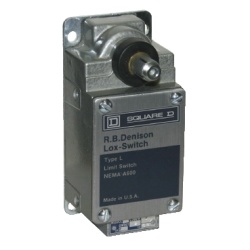
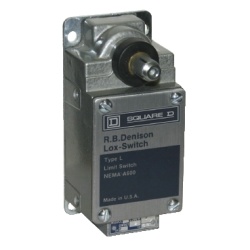
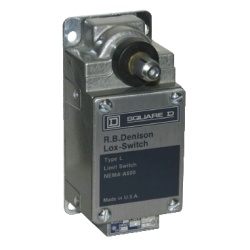
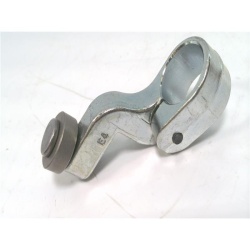
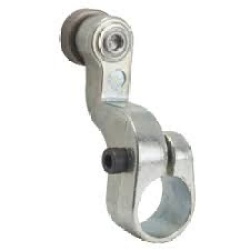
Telemecanique limit switches are electromechanical position sensors commonly used for object detection or as end-of-travel stops in industrial equipment. These rugged, high-precision switches are ideal for a variety of automation and machinery applications. With a variety of actuator styles including plungers, roller, levers and adjustable arms, these limit switches provide repeatable, reliable detection of machine movement, presence/absence and end-of-travel limits.
Telemecanique limit switches feature tough housings and robust mechanical designs to withstand impact, cycling and physical abuse. Many models offer IP67 ingress protection for harsh industrial environments. Electromechanical operation provides positive, tactile switching feedback with each actuation, ensuring switch state is clearly communicated to operators or machine control systems. Telemecanique offers a wide selection of actuator types, contact arrangements (snap-action/momentary or stay-put/latching) and wiring configurations to suit various actuation forces, interface needs and mounting locations.
Designed for repeatability and reliability, many Telemecanique limit switches are used as interlocks or safety devices in safety circuits to monitor positions and limit travel. Common for machine tools, robots, conveyors, packaging, hoists and OEM equipment due to their compact, enforceable switching. Their predictable mechanical behavior and compatibility with standard industrial control systems make them easy to integrate into new or existing installations. Because of their combination of precision, toughness, and configurability, Telemecanique limit switches remain a trusted choice for engineers designing motion-dependent safety and control systems.


FAQs
What are Telemecanique limit switches used for?
Telemecanique limit switches are used to detect position, movement, or end-of-travel conditions in industrial automation and machinery. They provide reliable mechanical feedback to control systems for motion control, equipment protection, and operational safety in applications such as conveyors, packaging equipment, machine tools, and material handling systems.
What types of limit switches does Telemecanique offer?
Telemecanique offers a wide range of limit switches, including standard industrial, heavy-duty, compact, and safety-rated limit switches. These are available with various actuator styles such as roller levers, plungers, rotary arms, and flexible whiskers to accommodate different mechanical motions, space constraints, and environmental conditions.
How durable are Telemecanique limit switches in industrial environments?
Telemecanique limit switches are designed for durability and long service life in harsh industrial environments. They are built to withstand frequent actuation, vibration, shock, dust, and moisture. Proper switch selection, installation, and mechanical alignment help ensure consistent performance in continuous-duty applications.
How do Telemecanique limit switches compare to proximity sensors?
Telemecanique limit switches require physical contact for actuation, providing positive and reliable position confirmation. Proximity sensors offer non-contact detection and are better suited for high-speed or low-wear applications. Limit switches are often preferred where definitive mechanical feedback, robustness, or safety-critical operation is required.
Do Telemecanique limit switches require maintenance or adjustment?
Yes, Telemecanique limit switches should be periodically inspected to verify proper actuation, mounting alignment, and electrical contact integrity. Routine maintenance helps detect mechanical wear, misalignment, or environmental damage early. Regular inspection supports long-term reliability, safe operation, and consistent machine performance.
Why Buy Telemecanique Limit Switches from RSP Supply
RSP Supply offers Telemecanique limit switches engineered for dependable position detection and industrial safety performance. Our selection supports reliable machine control and long-term operation in demanding automation environments.