

Temperature Transmitters & Transducers
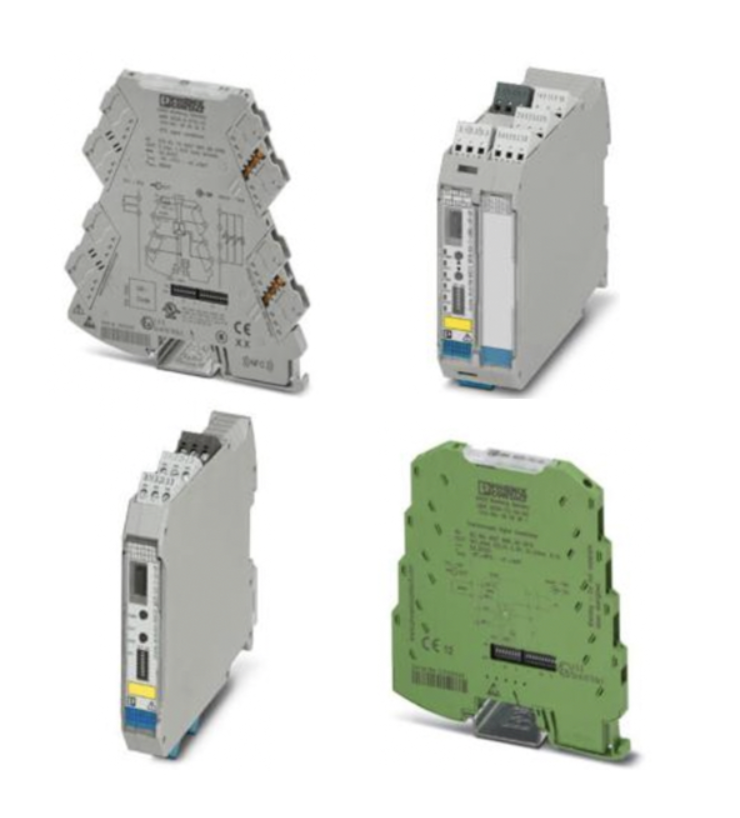
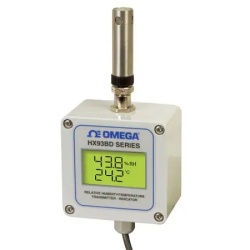
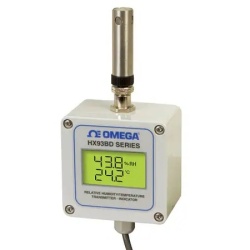
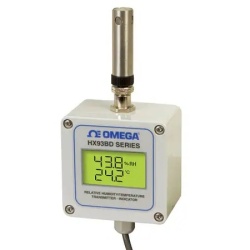
Temperature transmitters and transducers convert signals from temperature sensors into standardized electrical outputs that industrial control systems can reliably process. These devices accept inputs from thermocouples and RTDs and condition the signal into common analog formats such as 4–20 mA, 0–10 V, or millivolt outputs, depending on the application. By providing a stable, linearized output, they help improve measurement consistency and simplify integration with PLCs, controllers, recorders, and data acquisition systems.
Temperature transmitters are commonly used when signals must travel longer distances or when electrical noise and ground potential differences may impact measurement accuracy. Current loop outputs such as 4–20 mA are often preferred for industrial environments because they are less susceptible to signal degradation over long cable runs. Many transmitter designs also support features such as galvanic isolation and configurable ranges, making them suitable for process control applications where reliable temperature feedback supports product quality, equipment protection, and operational safety.
Temperature transducers are often used to describe devices that convert temperature into a voltage-based output or discrete electrical response. In some monitoring and safety applications, transducer-style outputs may be used where a voltage signal is preferred or where a device changes state at a defined temperature threshold. Selecting between a transmitter and a transducer typically depends on the required output type, wiring distance, noise exposure, and the input requirements.
FAQs
Q: What do temperature transmitters and transducers do?
They take input signals from thermocouples or RTDs and convert them into standardized electrical outputs, commonly 4–20 mA or voltage, so PLCs, controllers, and data acquisition systems can measure temperature reliably.
Q: What is the difference between a temperature transmitter and a temperature transducer?
A transmitter most often outputs a current signal such as 4–20 mA for reliable transmission over longer distances. A transducer is commonly associated with voltage outputs or applications where a device provides a discrete response at a defined temperature.
Q: Why is 4–20 mA used for temperature transmission in industrial systems?
4–20 mA signals are generally more robust over long cable runs and are less susceptible to electrical noise and voltage drop compared to many voltage-based signals.
Q: What temperature sensors can be used with transmitters and transducers?
Most models are designed for common thermocouple types and RTDs (including platinum RTDs), with configuration options to match sensor type, range, and output scaling.
Q: What affects the accuracy of a temperature transmitter or transducer?
Accuracy depends on sensor type, calibration, wiring practices, environmental noise, and device specifications. The overall system accuracy also includes the connected sensor, installation method, and the receiving controller’s input resolution.
Q: When should I choose a transmitter instead of a transducer?
Transmitters are typically preferred when the signal must travel longer distances, when the environment is electrically noisy, or when the control system is designed for current-loop inputs such as 4–20 mA.
Why Buy Temperature Transmitters & Transducers from RSP Supply
RSP Supply offers temperature transmitters and transducers designed to condition thermocouple and RTD signals for industrial automation and instrumentation systems. Our selection supports common output standards and application needs, including signal conversion for PLC integration, long cable runs, and electrically noisy environments. Customers rely on RSP Supply for knowledgeable support and access to components that help maintain accurate temperature monitoring and reliable process control.