

Pressure Gauges
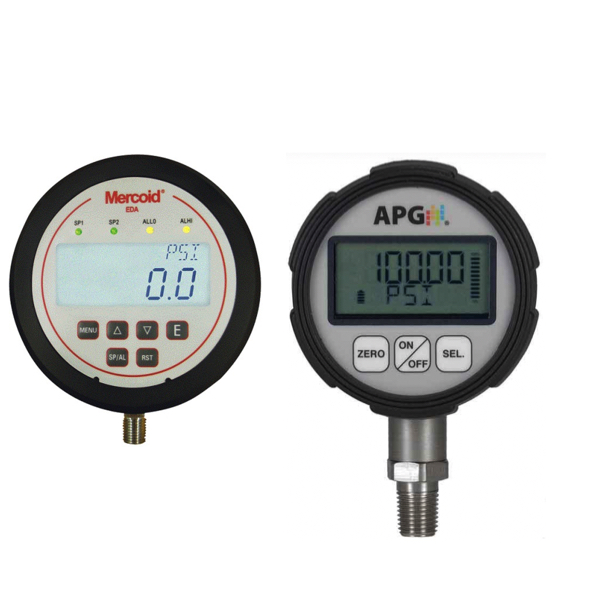
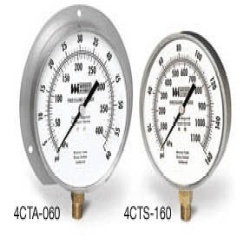
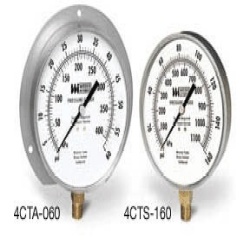
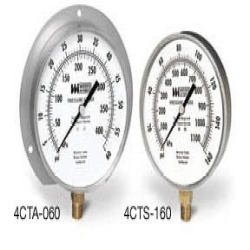
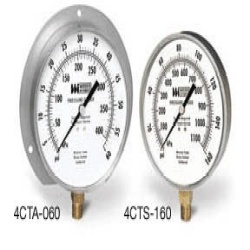
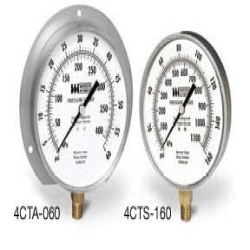
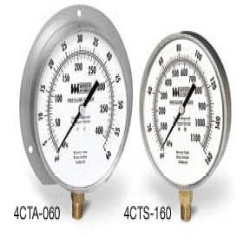
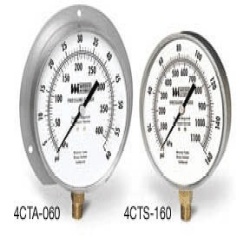
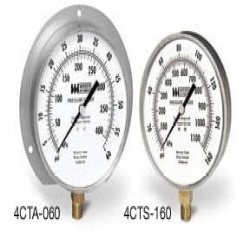
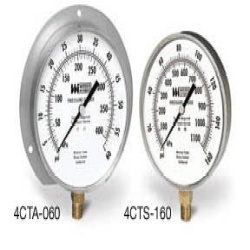
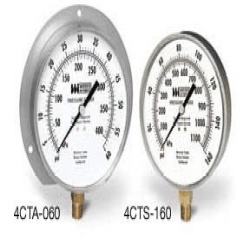
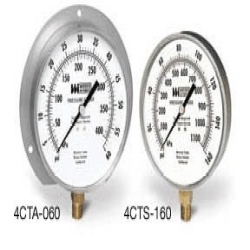
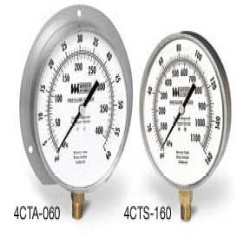
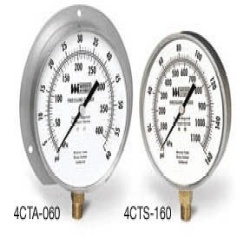
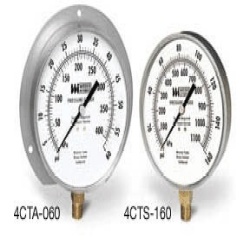
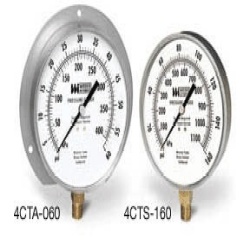
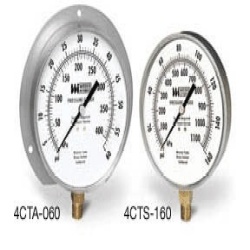
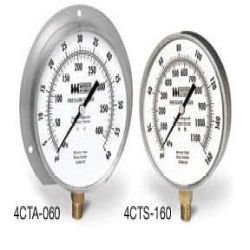
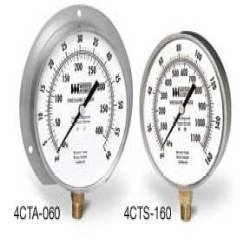
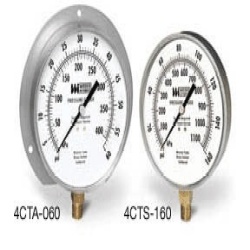
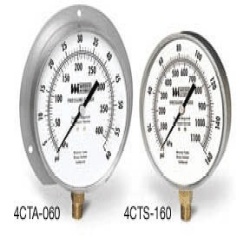
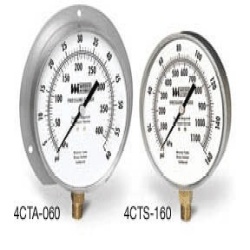
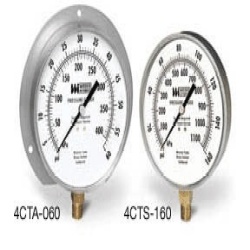
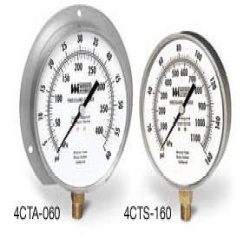
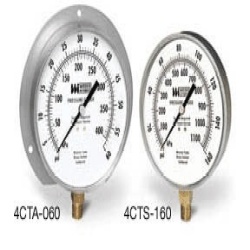
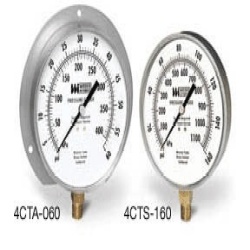
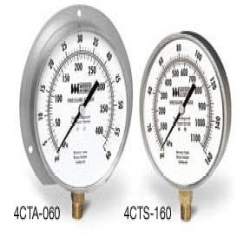
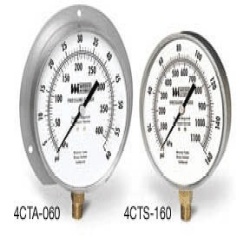
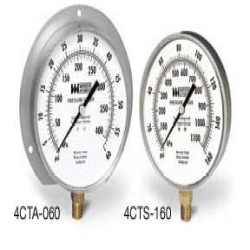
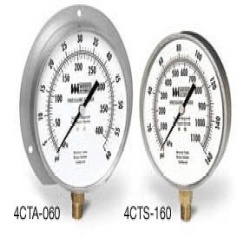
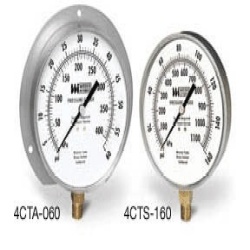
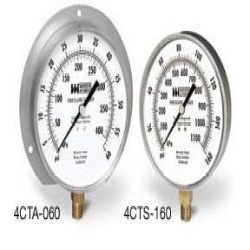
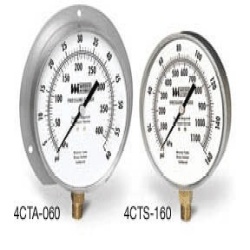
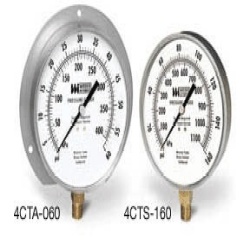
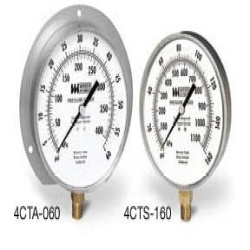
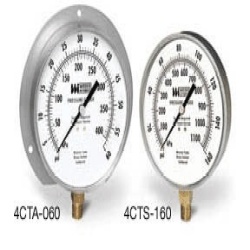
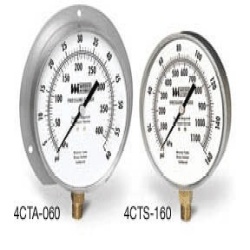
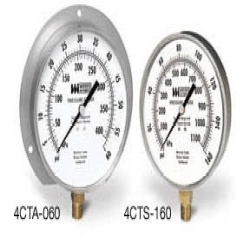
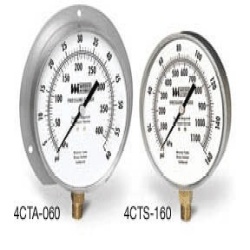
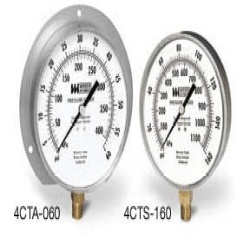
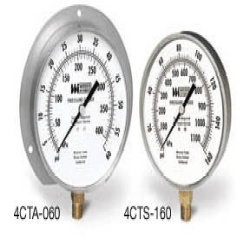
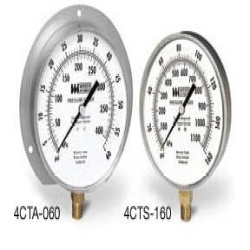
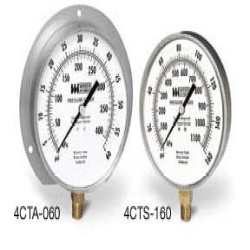
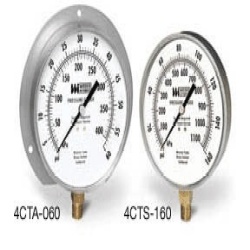
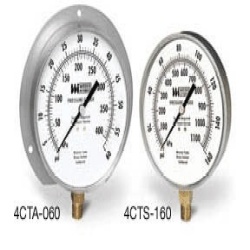
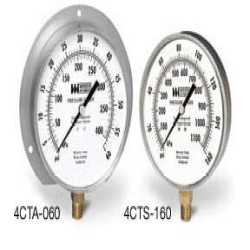
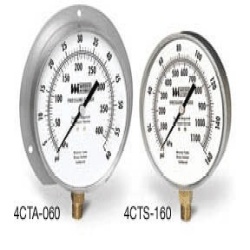
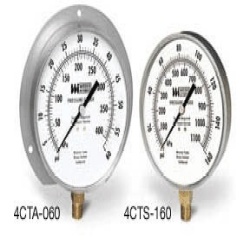
Pressure gauges are mechanical or electronic instruments used to measure the pressure of gases and liquids within industrial and commercial systems. They indicate how much force a substance exerts against the walls of a pipe, vessel, or component and are commonly used in applications such as manufacturing processes, hydraulic and pneumatic systems, HVAC equipment, and boiler systems. Accurate pressure indication helps operators monitor system performance, maintain safe operating conditions, and identify potential issues before equipment damage occurs.
A wide range of pressure gauge types is available to meet specific application requirements. Differential pressure gauges measure the pressure difference between two points in a system, making them useful for monitoring pressure drops across filters or flow elements. Digital pressure gauges provide real-time, easy-to-read measurements with enhanced accuracy, while HVAC and boiler gauges often display both temperature and water pressure for system diagnostics and maintenance.
Material construction and design features play an important role in gauge performance and longevity. Stainless steel pressure gauges offer excellent resistance to corrosion and are well-suited for chemical processing and aggressive media. Liquid-filled pressure gauges, typically filled with glycerin or silicone, are ideal for environments with vibration or pressure pulsation, as the fill dampens needle movement and improves reading stability over time.
 APG Pressure Gauges
 API Pressure Gauges
 Dwyer Pressure Gauges
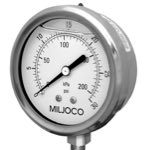 Miljoco Pressure Gauges
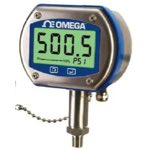 Omega Pressure Gauges
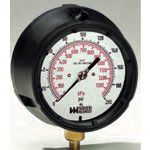 Weiss Pressure Gauges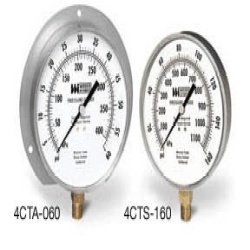
FAQs
Q: What is a pressure gauge and what does it measure?
A pressure gauge is an instrument used to measure the pressure of gases or liquids within a system. It displays pressure in units such as PSI, bar, or kPa to help monitor system performance and safety.
Q: What types of pressure gauges are available?
Common types include Bourdon tube gauges, diaphragm gauges, capsule gauges, digital pressure gauges, and differential pressure gauges. The appropriate type depends on pressure range, media compatibility, and environmental conditions.
Q: What industries commonly use pressure gauges?
Pressure gauges are widely used in manufacturing, oil and gas, chemical processing, water and wastewater treatment, HVAC, food and beverage, pharmaceuticals, and energy production.
Q: How accurate are pressure gauges?
Accuracy typically ranges from ±0.25% to ±2% of full scale, depending on gauge design and quality. Temperature changes, vibration, pressure spikes, and long-term wear can affect accuracy.
Q: Do pressure gauges require calibration and maintenance?
Yes, pressure gauges should be inspected and calibrated periodically based on application requirements and regulatory standards to ensure reliable and safe operation.
Why Buy Pressure Gauges from RSP Supply
RSP Supply offers a broad selection of pressure gauges for industrial and commercial applications, including options for corrosive environments, high vibration conditions, and precise digital measurement. Our products support reliable pressure monitoring across a wide range of systems and industries. Customers rely on RSP Supply for knowledgeable technical support, dependable sourcing, and access to trusted instrumentation manufacturers.