

Dwyer Pressure Gauges
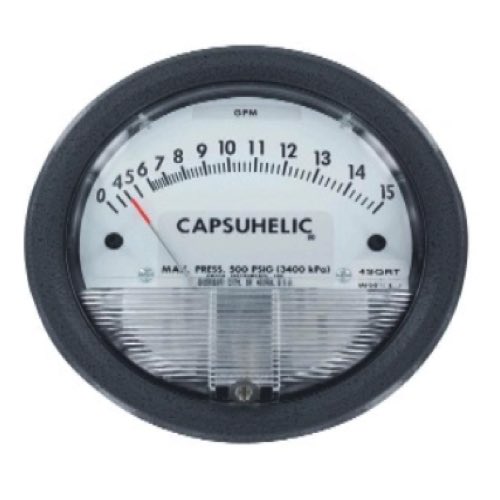
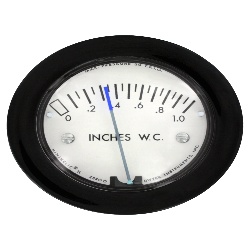
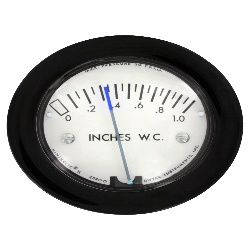
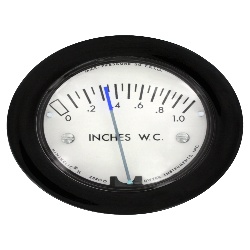
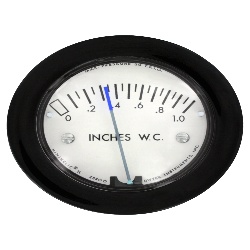
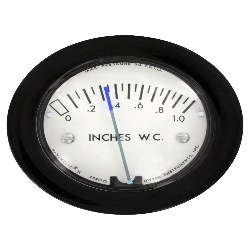
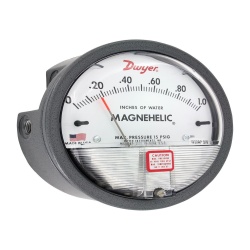
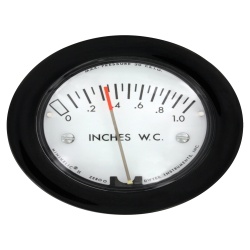
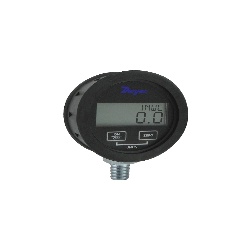
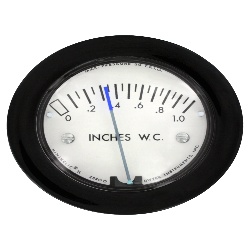
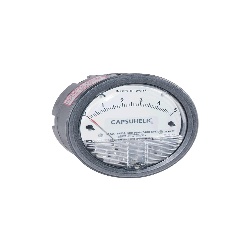
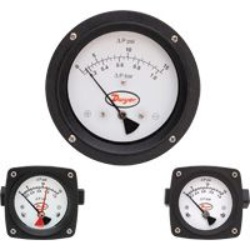
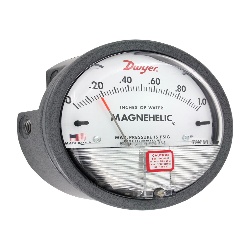
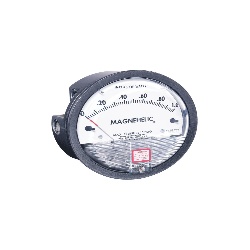
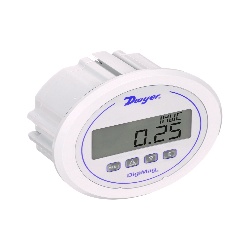
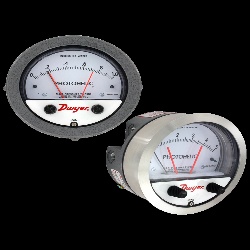
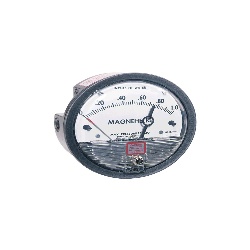
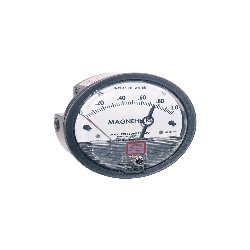
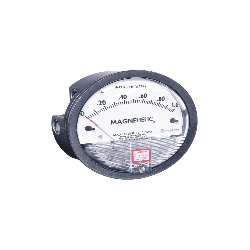
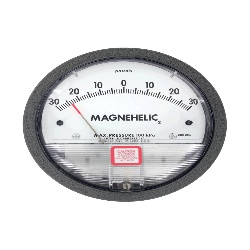
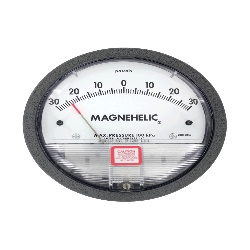
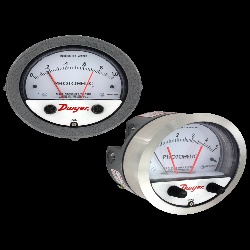
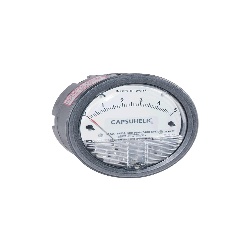
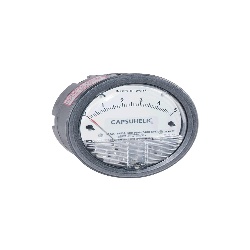
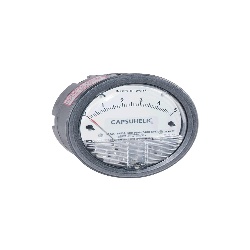
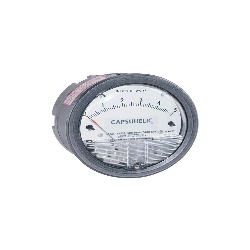
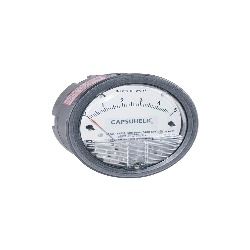
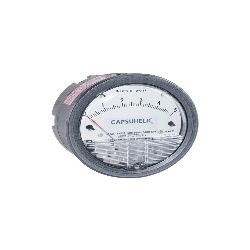
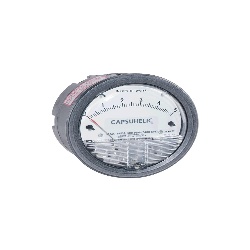
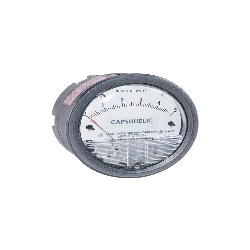
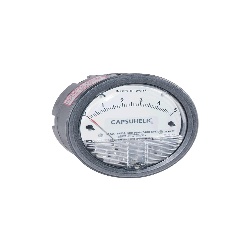
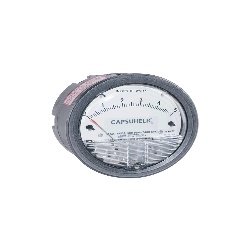
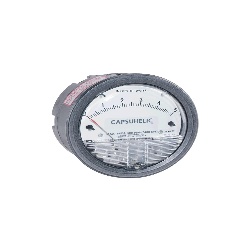
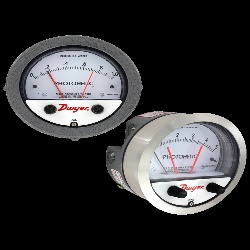
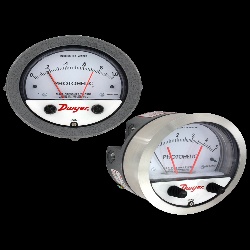
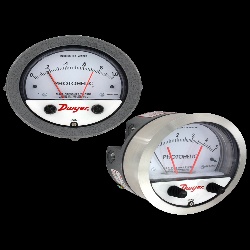
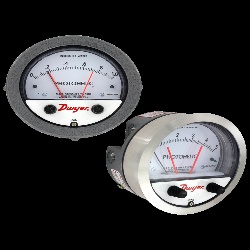
Dwyer pressure gauges are available as differential pressure sensors and transmitters, analog differential pressure gauges, digital differential pressure gauges, mechanical pressure switches, and digital pressure switches for measuring air, gas, and liquid pressure in industrial, commercial, and HVAC systems.
Dwyer pressure gauges are known for their reliable performance, sturdy construction, and clear readability, making them some of the most trusted instruments in industrial, commercial, and HVAC applications. When a technician uses a Dwyer pressure gauge, they can be confident the instrument will provide a consistent, accurate reading for the operational pressure of any given system.
Dwyer manufactures both mechanical and electronic pressure gauges, with the majority of their models falling under the mechanical category. Their standard Bourdon tube mechanical gauges are well-regarded for affordability and durability, providing unfailing accuracy and clear readability even at a distance in basic industrial environments. Differential pressure gauges and switches monitor pressure differences between two points and are widely used in HVAC, filtration, and flow monitoring applications where precise threshold control and alarm outputs are required.


FAQs
Q: What are Dwyer pressure gauges used for?
Dwyer pressure gauges monitor and display pressure in air, gas, and liquid systems to help maintain safe operating conditions and support troubleshooting in HVAC and industrial applications.
Q: What types of pressure gauges does Dwyer offer?
Dwyer manufactures mechanical Bourdon tube gauges, analog and digital differential pressure gauges, mechanical and digital pressure switches, and differential pressure sensor transmitters for a wide range of measurement needs.
Q: How accurate are Dwyer pressure gauges?
Accuracy varies by model and pressure range, but Dwyer gauges are designed to provide consistent and reliable readings when properly sized, installed, and maintained.
Q: What industries commonly use Dwyer pressure gauges?
These gauges are widely used in HVAC systems, building automation, water and wastewater treatment, manufacturing, chemical processing, and energy-related applications.
Q: Do Dwyer pressure gauges require calibration and maintenance?
Yes. Periodic inspection and calibration are recommended to maintain measurement accuracy and ensure long-term reliability, especially in critical or high-use applications.
Why Buy Dwyer Pressure Gauges from RSP Supply
RSP Supply offers a comprehensive selection of Dwyer pressure gauges designed for dependable pressure monitoring. Our catalog includes options for low-pressure, general-purpose, and industrial process applications. Customers rely on RSP Supply for trusted manufacturers, detailed specifications, and pressure measurement instruments built for professional system operation.