

APG Pressure Gauges
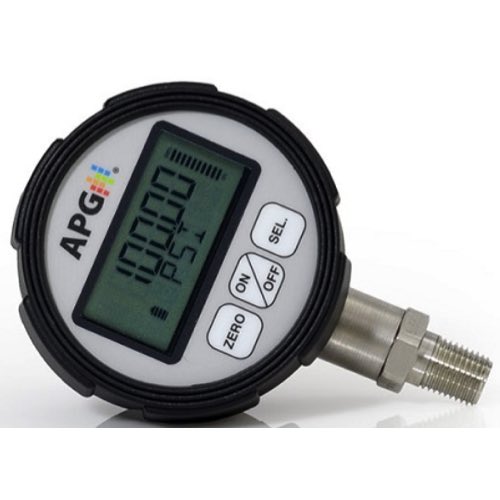
APG pressure gauges are designed to provide accurate and dependable pressure monitoring in industrial systems where reliable measurement is essential to safety and performance. RSP Supply offers APG pressure gauges for applications in water and wastewater, oil and gas, manufacturing, HVAC, chemical processing, and general industrial automation. These gauges help operators monitor system pressure, verify safe operating conditions, and support consistent equipment performance across a wide range of process environments.
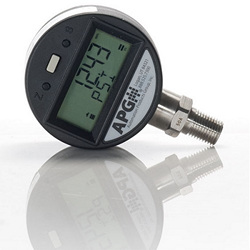
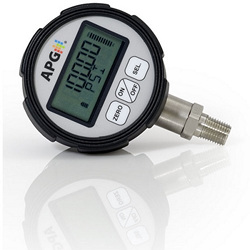
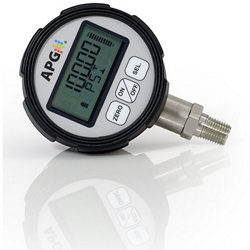
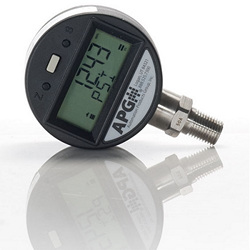
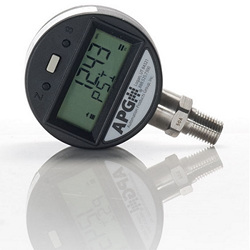
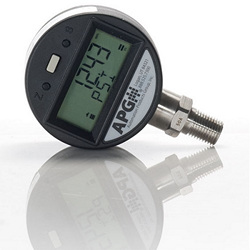
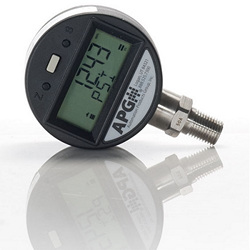
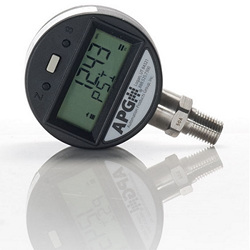
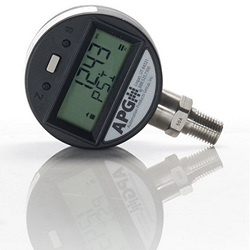
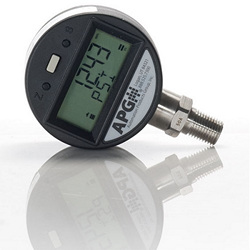
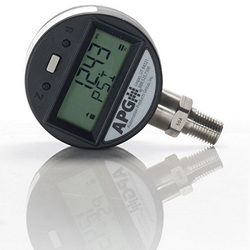
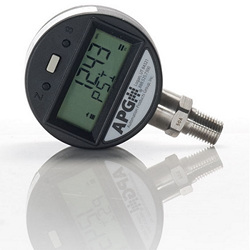
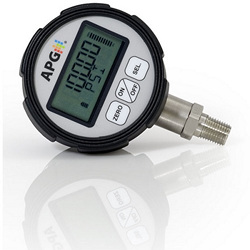
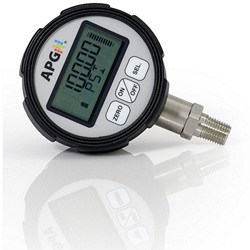
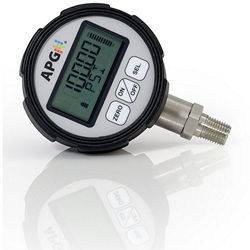
APG pressure gauges are built for durability in demanding conditions. Many models feature high-quality Bourdon tube mechanisms, sealed or welded construction, and corrosion-resistant housings to help withstand moisture, temperature changes, vibration, and exposure to aggressive media. Available options may include stainless steel gauges, glycerin-filled gauges for vibration resistance and steadier readings, and digital gauges for applications that require enhanced readability or electronic display functionality. This range of configurations helps users select the right gauge style for both routine monitoring and more demanding process conditions.
APG also emphasizes practical use in the field with designs that support easy readability and straightforward installation. Distinct markings, wide dials, and clear scales help technicians check system pressure quickly and accurately, while common process connections make it easier to install gauges on both new and existing equipment. With products designed for long-term performance and dependable pressure indication, APG pressure gauges help support safer operation, easier troubleshooting, and stable process control in industrial systems.





FAQs
Q: What are APG pressure gauges used for?
APG pressure gauges are used to monitor and display pressure levels in industrial and process control systems. They help operators confirm safe operating conditions, troubleshoot issues, and maintain consistent system performance.
Q: What types of pressure gauges does APG offer?
APG offers industrial pressure gauges, including mechanical gauges, as well as models suited for demanding process environments. Available designs focus on durability, accuracy, and compatibility with common pressure ranges and media.
Q: How accurate are APG pressure gauges?
APG pressure gauges provide dependable accuracy for industrial monitoring applications. Accuracy depends on the specific model, pressure range, installation method, and operating conditions.
Q: What industries commonly use APG pressure gauges?
APG pressure gauges are commonly used in water and wastewater treatment, manufacturing, HVAC systems, chemical processing, oil and gas, and general industrial automation applications.
Q: Do APG pressure gauges require calibration or maintenance?
Yes. Periodic inspection and calibration are recommended to maintain accuracy and safe operation. Maintenance intervals depend on the application and operating conditions.
Why Buy APG Pressure Gauges from RSP Supply
RSP Supply offers a reliable selection of APG pressure gauges designed for long-term performance in industrial environments. With gauge options suited for routine monitoring, harsh conditions, and vibration-prone systems, customers can source practical pressure measurement solutions for a wide range of applications.