

Omega Pressure Gauges
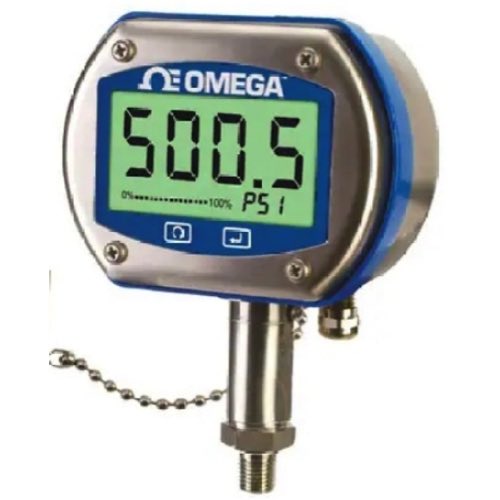
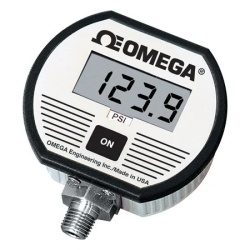
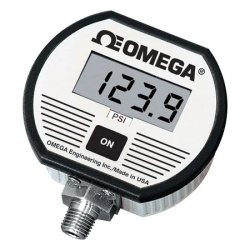
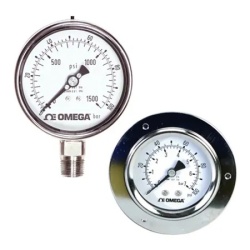
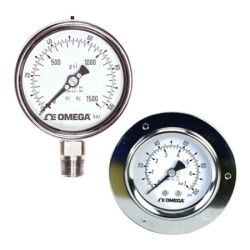
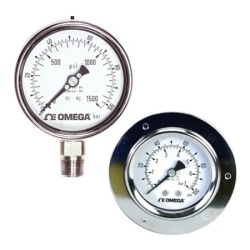
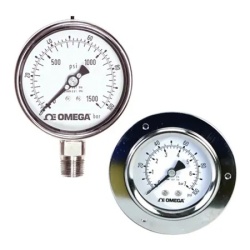
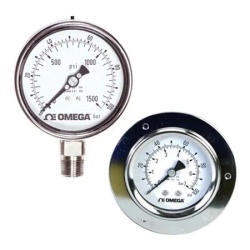
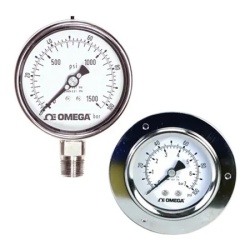
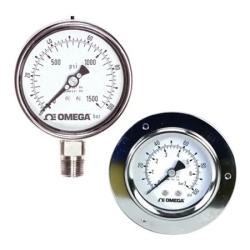
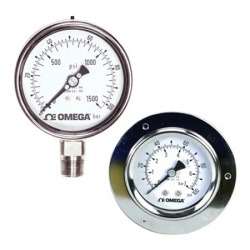
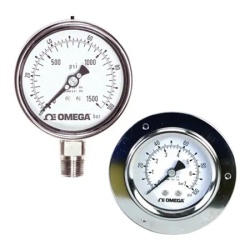
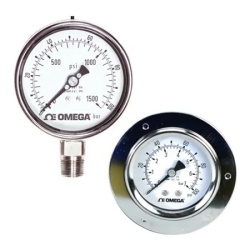
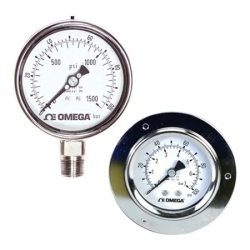
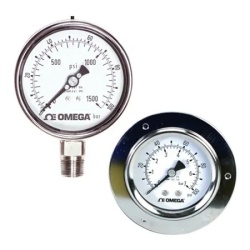
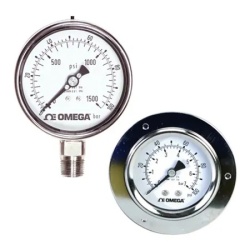
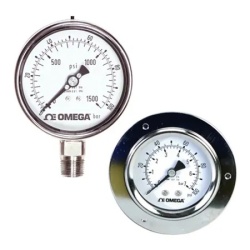
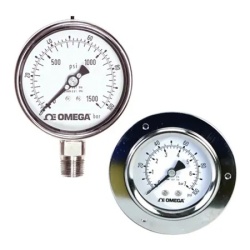
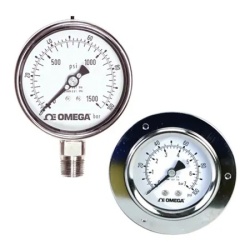
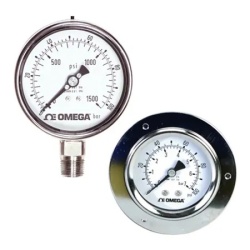
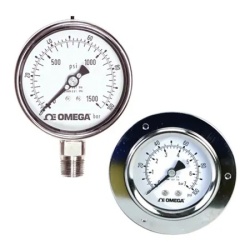
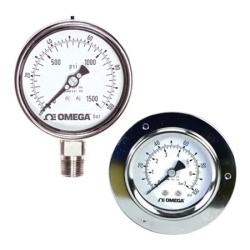
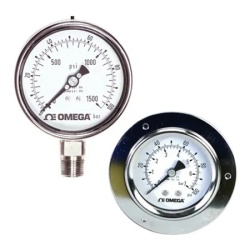
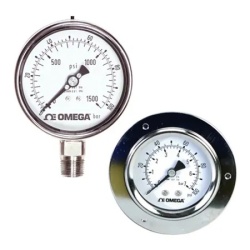
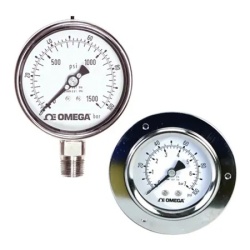
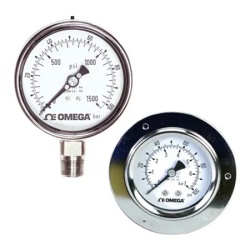
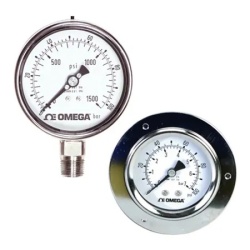
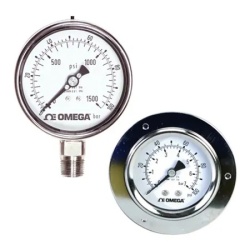
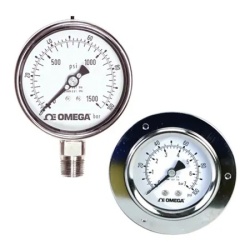
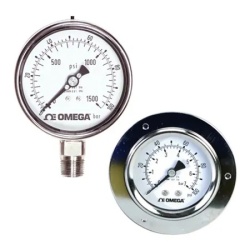
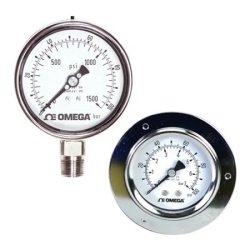
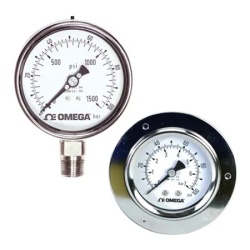
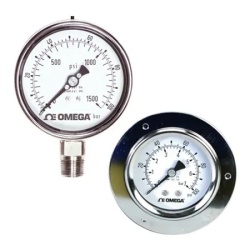
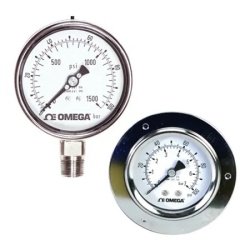
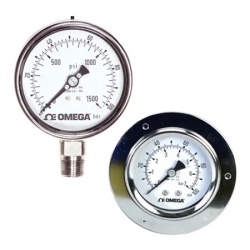
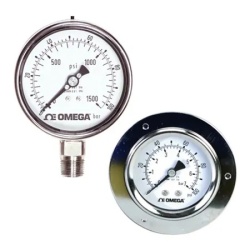
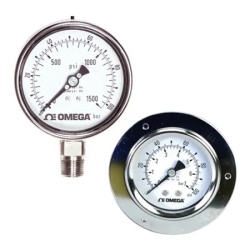
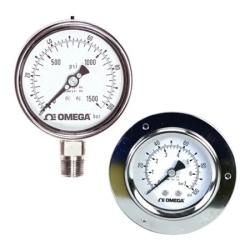
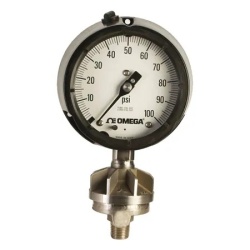
Precision, durability, and versatility define Omega pressure gauges, making them suitable for a wide range of industrial, commercial, and laboratory environments. Each pressure gauge is designed to deliver accurate and stable readings, allowing operators to quickly determine whether a system is operating within normal or safe limits. These instruments support reliable pressure monitoring across process control, testing, and day-to-day operations.
Many Omega pressure gauge designs prioritize long-term reliability in harsh conditions. Layered housings, protected internal components, and robust materials help reduce common failure modes associated with vibration, temperature fluctuations, moisture, and chemical exposure. As a result, Omega pressure gauge models are frequently found in demanding environments such as chemical processing facilities, manufacturing plants, and utility systems.
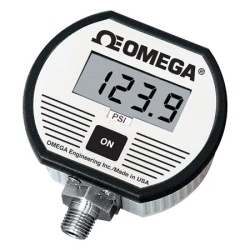
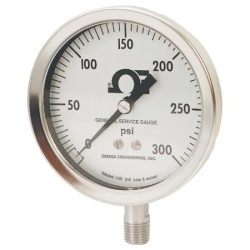
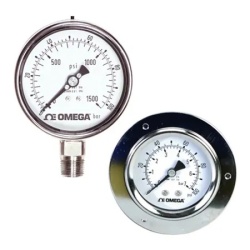
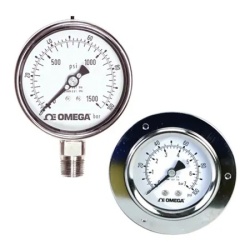
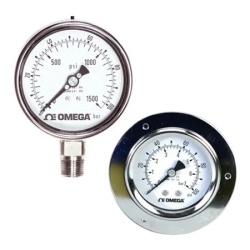
Omega offers solutions ranging from high-accuracy digital instruments to durable analog options, including industrial pressure gage and general service gauge configurations. With multiple enclosure ratings, connection types, and performance levels available, these gauges can be matched to both controlled indoor applications and rugged field installations where dependable pressure measurement is essential.

FAQs
Q: What are Omega pressure gauges used for?
Omega pressure gauges are used to measure and display pressure in gas and liquid systems across industrial, laboratory, and process control applications. They help operators monitor system conditions, verify safe pressure levels, and troubleshoot issues such as leaks or overpressure events.
Q: What types of pressure gauges does Omega offer?
Omega offers a wide range of pressure gauge options, including Bourdon tube gauges, digital pressure gauges, vacuum gauges, compound gauges, and differential models. These are available in multiple pressure ranges, materials, and connection styles.
Q: Are Omega pressure gauges suitable for general industrial use?
Yes. Many Omega models are designed as general service gauge solutions, providing reliable performance for everyday industrial pressure monitoring where durability and readability are required.
Q: How accurate are Omega pressure gauges?
Omega pressure gauges are designed to meet accuracy requirements for industrial monitoring, testing, and quality control. Accuracy varies by model and can be influenced by factors such as temperature changes, vibration, and pressure cycling.
Q: Do Omega pressure gauges require calibration and maintenance?
Yes. Periodic calibration and inspection are recommended to maintain accuracy and safe operation. Regular maintenance helps identify wear, pressure damage, or drift and supports long-term reliability.
Why Buy Omega Pressure Gauges from RSP Supply
RSP Supply offers a dependable selection of Omega pressure gauge products for industrial and laboratory applications. Customers rely on RSP Supply for knowledgeable technical support, consistent product availability, and trusted measurement solutions that support accurate pressure monitoring and long-term system performance.