

API Pressure Gauges
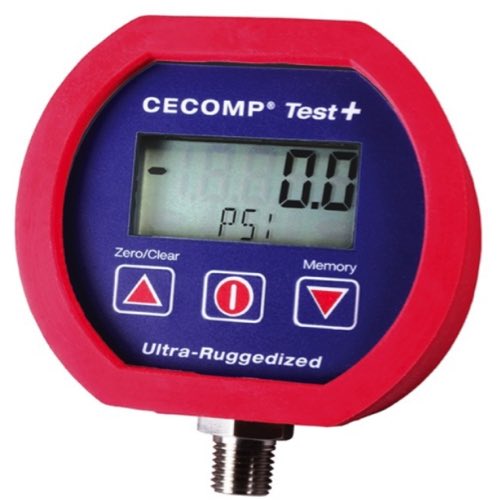
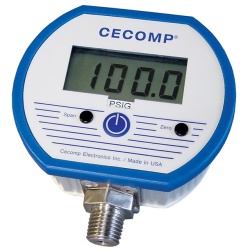
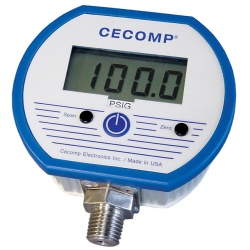
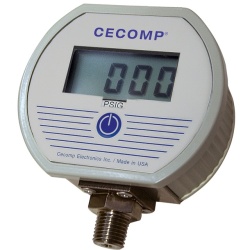
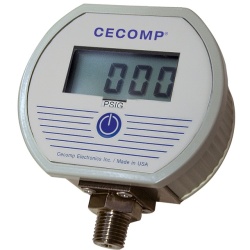
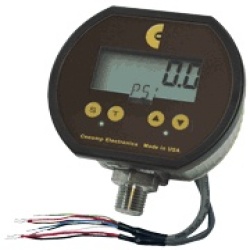
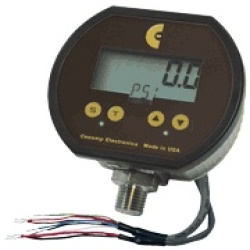
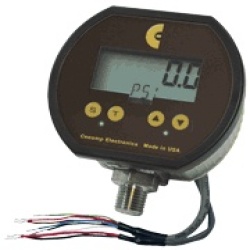
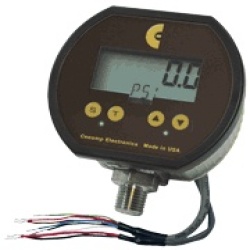
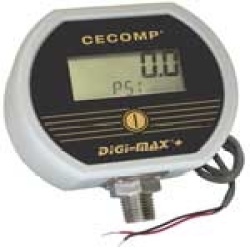
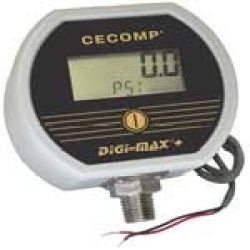
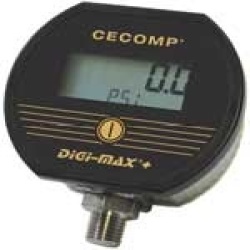
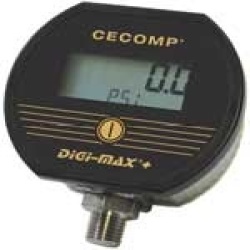
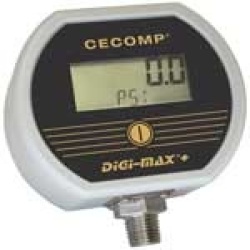
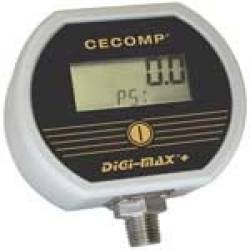
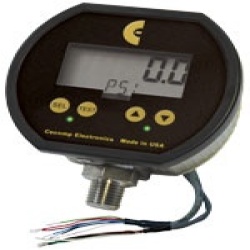
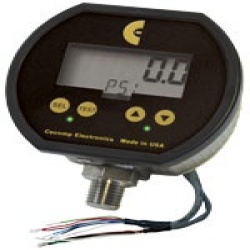
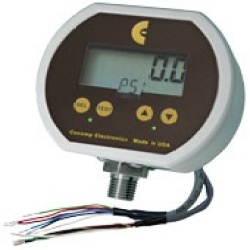
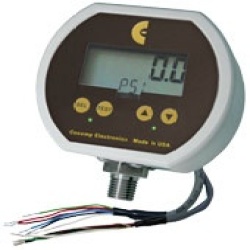
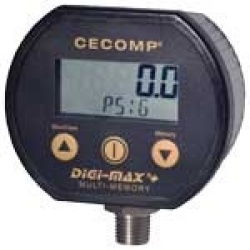
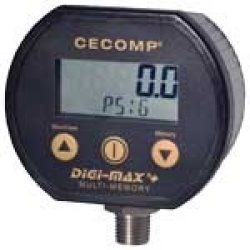
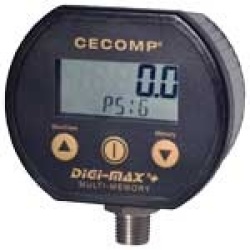
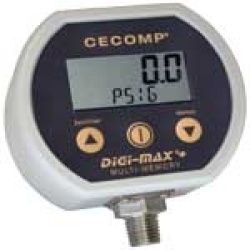
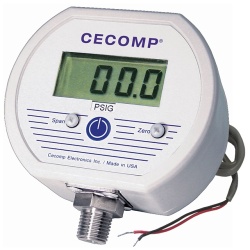
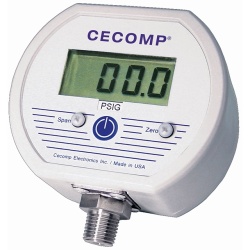
API pressure gauges are designed to provide accurate, durable pressure monitoring in industrial and commercial systems where dependable readings are essential for safe operation. RSP Supply offers API pressure gauges built for applications that require clear visual indication of system pressure, reliable performance under changing conditions, and long service life in demanding environments. These gauges are commonly used to help operators verify normal operating ranges, monitor pressure trends, and identify system issues before equipment damage or downtime occurs.
API pressure gauges are built for tough applications where pressure fluctuations are a normal part of system operation. Many models feature stainless steel cases that help resist corrosion and support long-term durability in harsh environments. Internal components are commonly made from materials such as steel or brass to provide reliable mechanical performance under routine industrial use. Oil-filled gauge options are also available to help reduce needle movement and improve readability in applications with vibration or pulsating pressure, making them well-suited for dynamic systems that require stable visual indication.
These pressure gauges are commonly used in manufacturing, water and wastewater treatment, HVAC systems, chemical processing, oil and gas support applications, and general industrial automation. Available in a variety of dial sizes, pressure ranges, and connection styles, API gauges can be integrated into both new and existing systems with relative ease. With designs focused on readability, durability, and dependable measurement, API pressure gauges help support safe operating conditions and practical pressure monitoring across a wide range of industrial environments.

FAQs
Q: What are API pressure gauges used for?
API pressure gauges are used to measure and display system pressure in industrial and commercial applications. They help operators monitor operating conditions, verify safe pressure ranges, and detect potential issues before equipment damage or downtime occurs.
Q: What types of pressure gauges are available from API?
API offers pressure gauges suitable for general industrial and process applications, available in various pressure ranges, dial sizes, and connection styles to accommodate different system requirements.
Q: How accurate are API pressure gauges?
API pressure gauges are designed to provide dependable accuracy for routine industrial monitoring. Proper gauge selection, installation, and operation within the intended pressure range help maintain consistent readings over time.
Q: What industries commonly use API pressure gauges?
API pressure gauges are commonly used in manufacturing, water and wastewater treatment, HVAC systems, chemical processing, oil and gas support applications, and general industrial automation.
Q: Do API pressure gauges require calibration and maintenance?
Yes. Periodic inspection and calibration are recommended to maintain accuracy and reliability. Maintenance intervals depend on application criticality and operating conditions.
Why Buy API Pressure Gauges from RSP Supply
RSP Supply offers a reliable selection of API pressure gauges designed for accurate and durable pressure monitoring in industrial environments. Our product lineup supports straightforward installation, consistent performance, and long service life across a wide range of applications.