

All Antennas
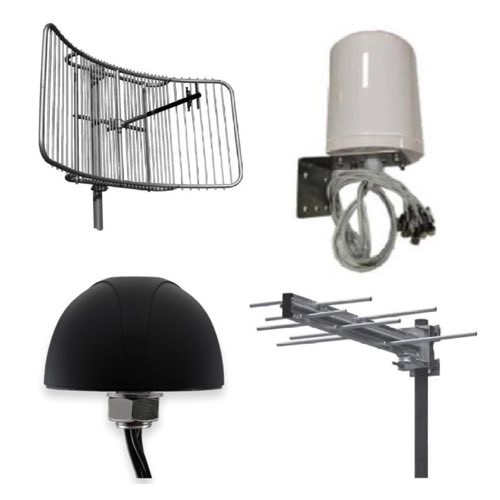
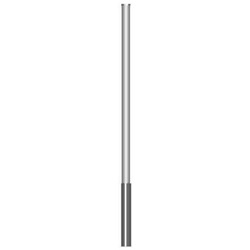
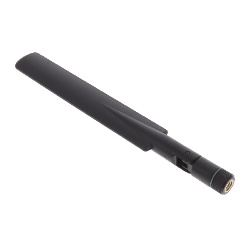
Antennas are essential components in wireless communication systems, converting electrical signals into electromagnetic waves for transmission and receiving those waves back into usable signals. RSP Supply offers antennas for a wide range of communication applications, including RF, cellular, Wi-Fi, and industrial wireless systems. These products are used to support dependable connectivity in environments where signal strength, communication range, and efficient performance are critical.
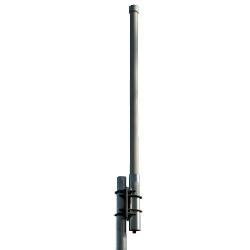
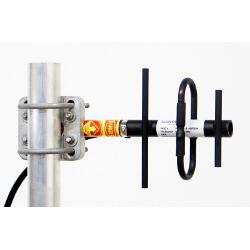
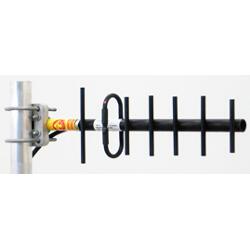
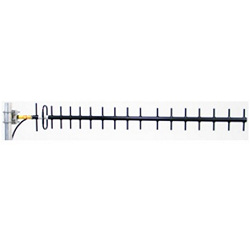
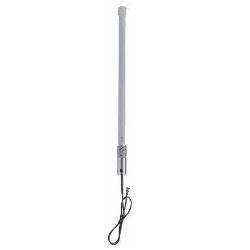
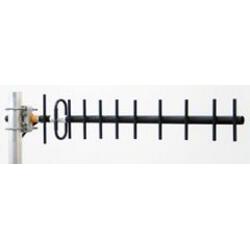
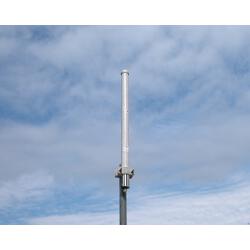
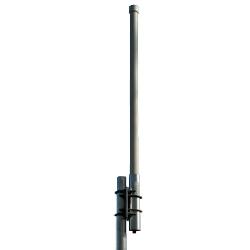
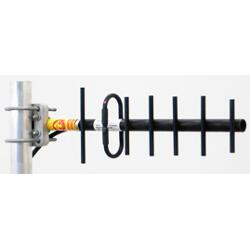
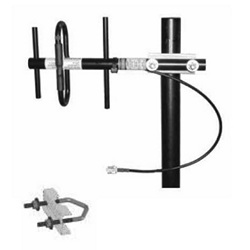
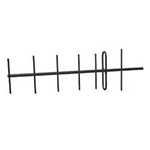
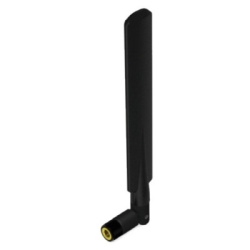
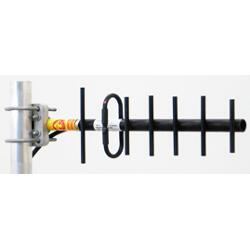
Antenna designs vary based on application requirements, frequency range, coverage area, and installation environment. Common antenna types include omnidirectional antennas for broad coverage, directional antennas for focused communication, and specialized designs used in advanced wireless systems. In industrial and commercial settings, antennas are used in applications such as remote monitoring, SCADA systems, IoT networks, wireless data transmission, transportation systems, satellites, radar, and facility communication infrastructure. Factors such as antenna gain, polarization, impedance matching, and environmental exposure all affect overall performance and suitability for a given system.
Modern wireless systems often use advanced antenna technologies such as MIMO designs to improve throughput and reduce interference in high-demand applications. Whether used for point-to-point links, broad-area wireless coverage, or machine-to-machine communication, antennas play a central role in maintaining reliable connectivity. With options designed for different frequencies, mounting styles, and communication needs, antennas help support stronger signal performance and more dependable wireless operation across a wide range of industrial and commercial environments.
 Beijer Antennas
 DMS Antennas
 Freewave Antennas
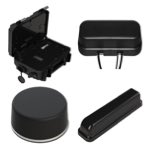 Parsec Antennas
 PCTEL Antennas
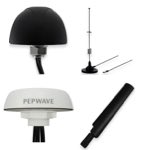 Peplink Antennas
 Phoenix Contact Antennas
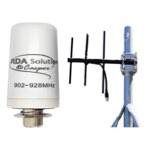 RDA Antennas
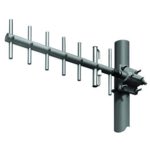 Scala Antennas
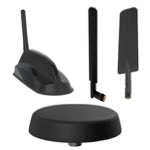 Semtech Antennas
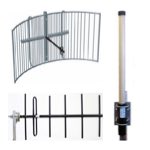 Wavelink Antennas










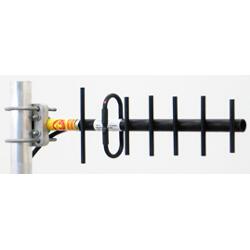

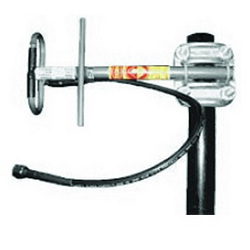
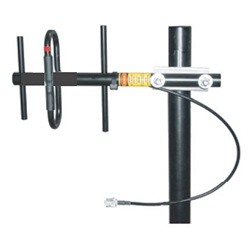
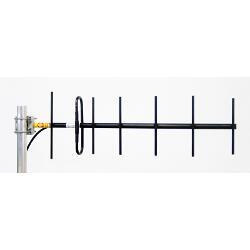
FAQs
Q: What is an antenna and how does it work?
An antenna is a device that converts electrical signals into electromagnetic waves for transmission and converts received electromagnetic waves back into electrical signals for communication equipment.
Q: What are the main types of antennas?
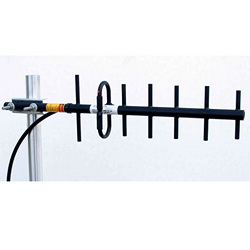
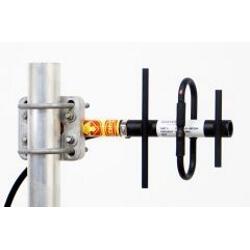
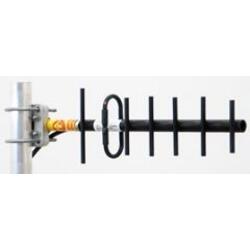
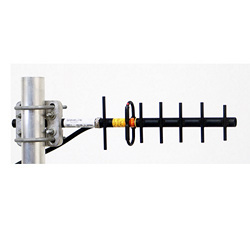
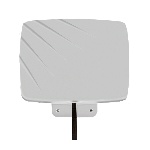
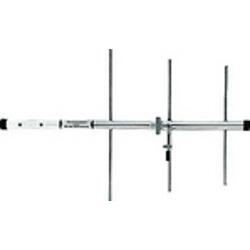
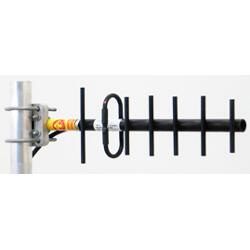
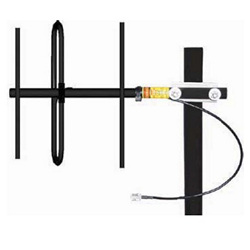
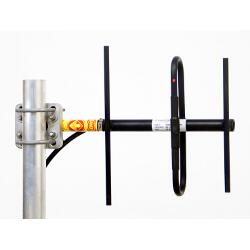
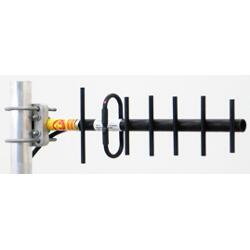
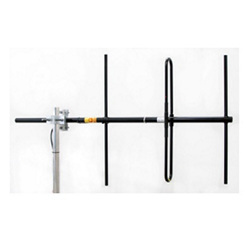
Common antenna types include dipole antennas, monopole antennas, patch antennas, parabolic dish antennas, loop antennas, Yagi antennas, omnidirectional antennas, and directional antennas.
Q: What does antenna gain mean?
Antenna gain indicates how effectively an antenna directs radio energy in a specific direction compared to a reference antenna. It is commonly expressed in dBi or dBd.
Q: What is the difference between omnidirectional and directional antennas?
Omnidirectional antennas radiate signals broadly in all directions for wide coverage, while directional antennas focus the signal in a specific direction for longer range and more targeted communication.
Q: How does frequency affect antenna size?
Higher frequencies use shorter wavelengths, which allow for smaller antennas, while lower frequencies require physically larger antennas to match the longer wavelength.
Why Buy Antennas from RSP Supply
RSP Supply offers antennas for customers who need reliable wireless communication solutions for industrial, commercial, and infrastructure applications. With antenna options available for RF, cellular, Wi-Fi, and industrial connectivity systems, customers can source practical products for signal transmission, remote communication, and modern network performance.