
Wavelink Antennas
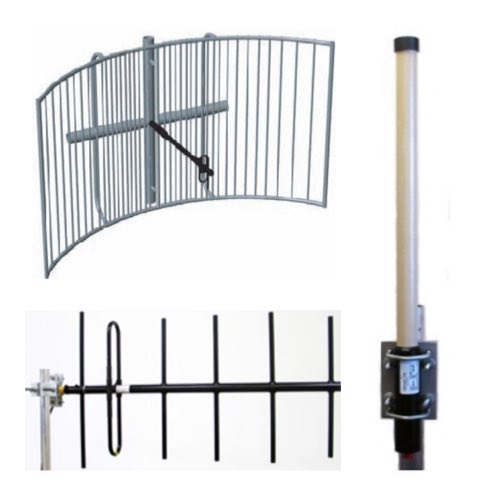
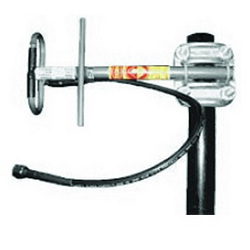
Wavelink antennas are designed to support reliable wireless communication in industrial, transportation, commercial, and IoT applications. These antennas are used to maintain connectivity for mobile equipment, remote systems, enterprise networks, telemetry devices, and fixed wireless installations.
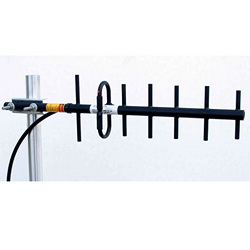
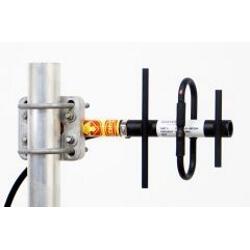
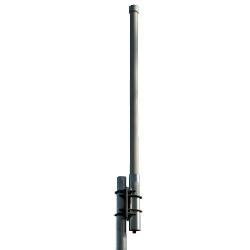
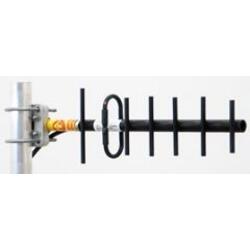
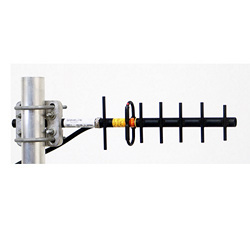
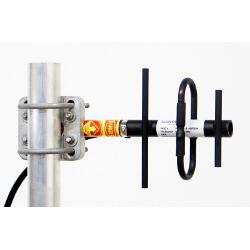
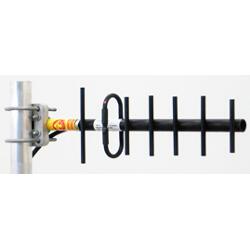
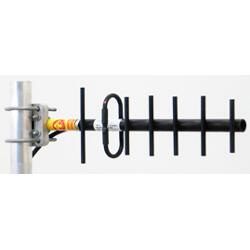
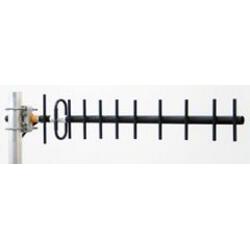
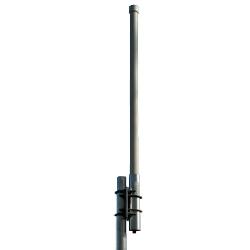
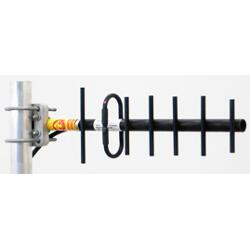
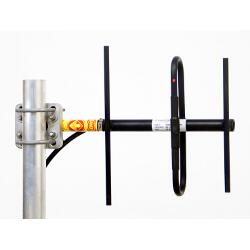
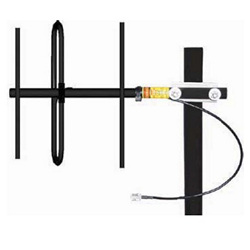
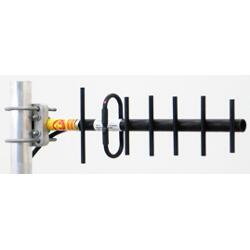
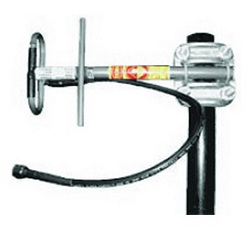
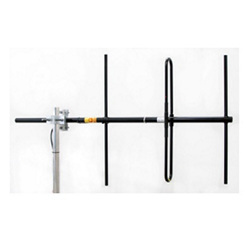
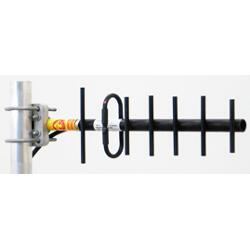
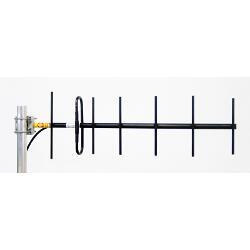
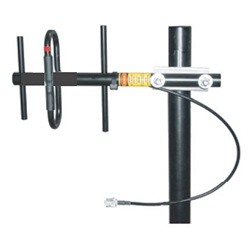
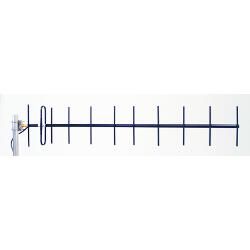
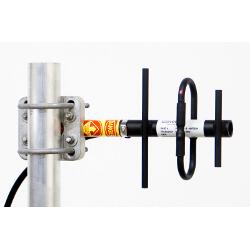
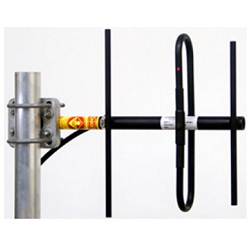
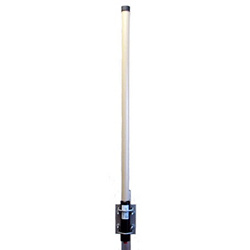
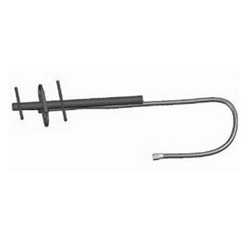
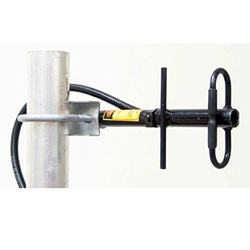
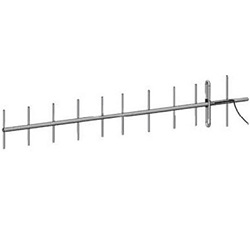
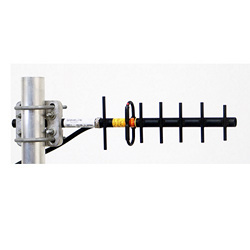
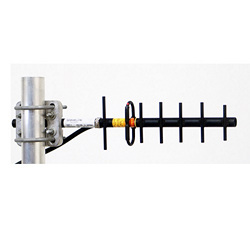
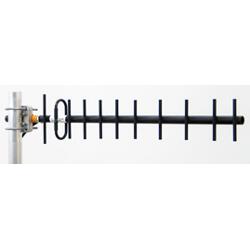
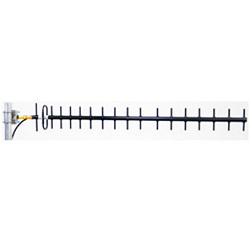
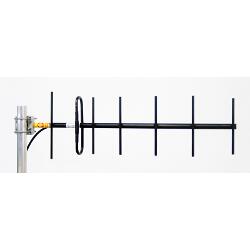
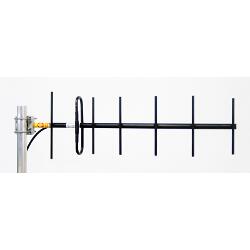
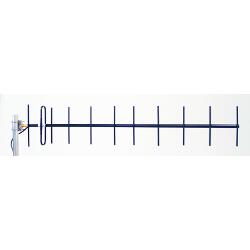
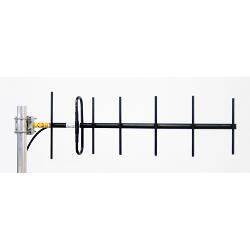
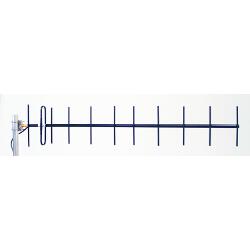
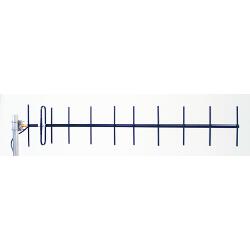
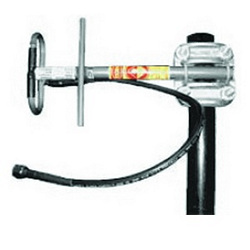
Available options may include 5G, 4G LTE, Wi-Fi, GPS, GNSS, MIMO, omnidirectional, directional, and low-profile antenna designs. These configurations support a range of wireless networking needs, including vehicle communication, industrial monitoring, asset tracking, public connectivity, and remote data transmission.
RSP Supply carries Wavelink antennas for applications requiring durable construction, dependable signal performance, and compatibility with modern wireless technologies. These products support connected systems where consistent communication is required across mobile, outdoor, and industrial environments.





FAQs
Q: What are Wavelink antennas used for?
Wavelink antennas are used for wireless communication in industrial, transportation, IoT, commercial, and mobile networking applications.
Q: What wireless technologies do Wavelink antennas support?
Wavelink antennas may support 5G, 4G LTE, Wi-Fi, GPS, GNSS, and other wireless communication technologies, depending on the model.
Q: Do Wavelink antennas support MIMO technology?
Yes, many Wavelink antennas use MIMO configurations to improve data throughput, signal reliability, and wireless performance.
Q: Are Wavelink antennas suitable for vehicles?
Yes, many Wavelink antennas are designed for mobile and transportation applications where low-profile, rugged, and reliable connectivity is required.
Q: What is the difference between omnidirectional and directional antennas?
Omnidirectional antennas radiate signal in multiple directions, while directional antennas focus signal toward a specific area or connection point.
Why Buy Wavelink Antennas from RSP Supply
RSP Supply offers Wavelink antennas for industrial connectivity, transportation systems, IoT networks, and wireless communication applications. Customers rely on RSP Supply for dependable product selection, knowledgeable support, and components suited for reliable connectivity in demanding environments.