

Peplink Antennas
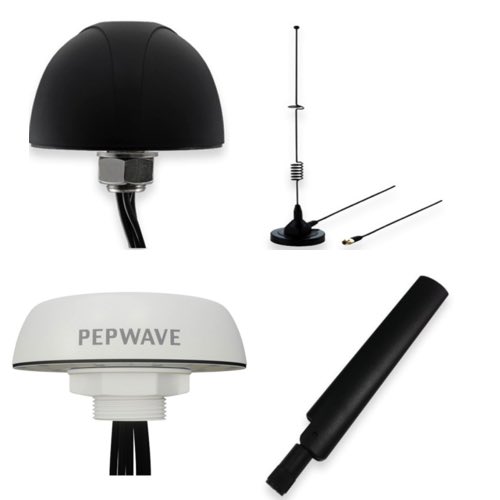
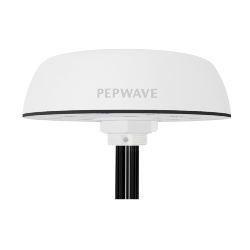
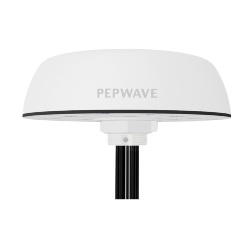
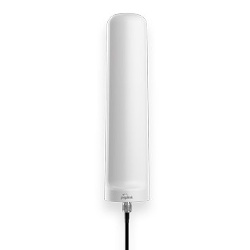
Peplink antennas are purpose-built to deliver the high bandwidth and impressive reliability required for a broad range of wireless and mobile communications. They complement Peplink cellular routers and work seamlessly with all of the networking protocols and technologies that are required for either mobile or stationary applications. The routers and antennas work together to create the kinds of systems and networks that you might want to set up on a land vehicle, a boat, in a “fixed/mobile” application (like a temporary installation), or in a “fixed” setting where continuity of service is demanded.
The antennas themselves are tough and are built to last; they’re much more like “cellular routers” in terms of the qualities they need to have to do the jobs that cellular routers do. They need to receive cellular signals and relay them with as much speed and as few errors as possible; and, even if the relay signals have to go through HSPA (High-Speed Packet Access), LTE, WiMAX, or some other protocol, the end-users will be happy only as long as the antennas continue to do what they’re built to do: work hard, work well, and keep on working without a problem until the job is done.
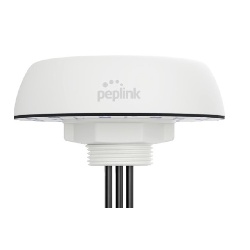
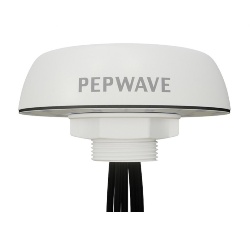
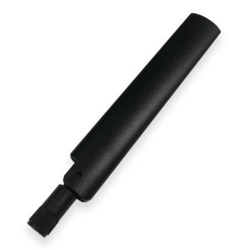
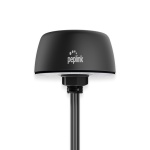
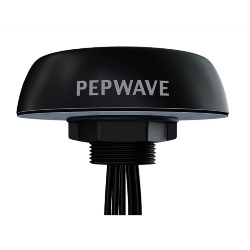
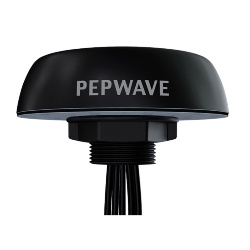
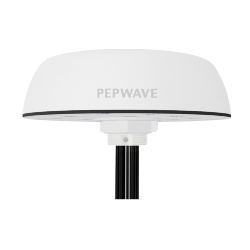
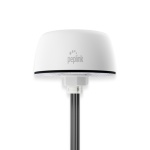
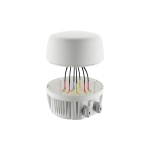

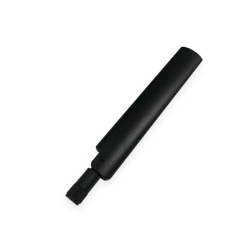
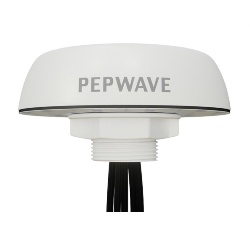
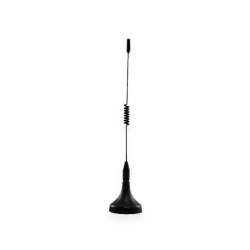
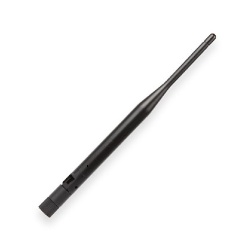
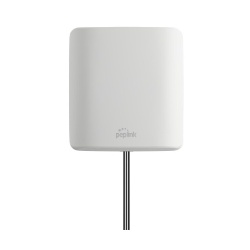
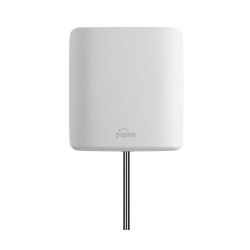
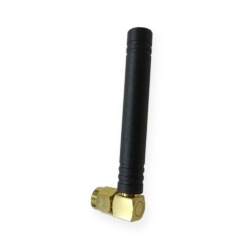
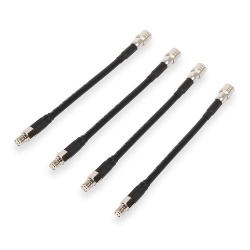
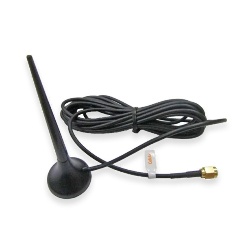
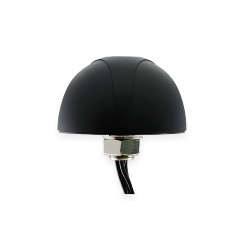
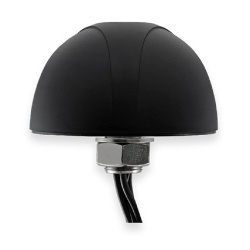
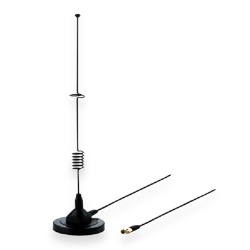
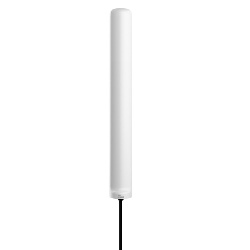
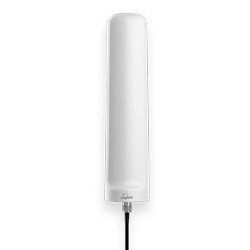
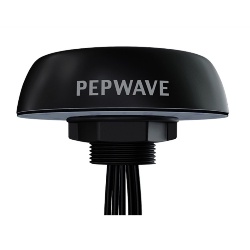
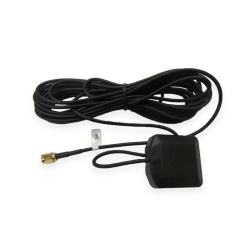
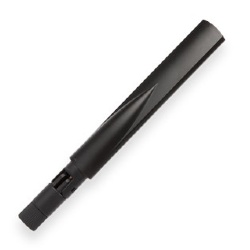
More Information about Peplink Antennas
Peplink antennas are built to provide solid reliability across a diversified environment. Whether handling the data burst from a Wi-Fi transmitter, decoding a GPS signal, or juggling the simultaneous calls from a multi-band 5G communication tower, Peplink antennas maintain balanced operation. They deliver bandwidth where and when it's needed; they have also proven to be reliable under all conditions.
FAQs
What types of antennas does Peplink offer?
Peplink offers a variety of antennas, including 5G, LTE, Wi-Fi, and GPS models in omnidirectional, directional, and mobility designs for fixed, marine, and mobile applications.
How do I choose the right Peplink antenna for my application?
To choose the right Peplink antenna for your application, match your network needs—such as frequency bands, mobility, mounting type, and required coverage—with the antenna’s supported technologies like 5G, LTE, Wi-Fi, or GPS to ensure optimal performance and reliability. You can also consult the Guide to Peplink Antennas.
Does the Peplink GPS antenna come with high gain LNA, making it ideal for location tracking?
Yes, the Peplink GPS antenna comes with a high-gain LNA, making it ideal for precise and reliable location tracking in mobile and industrial applications.
Do all of Peplink antennas support a wide range of global cellular frequencies?
Yes, most Peplink antennas are designed to support a wide range of global cellular frequencies, ensuring reliable connectivity across multiple regions and carrier networks.
Do some Peplink antennas have a GPS receiver?
Yes, many Peplink antennas include an integrated GPS receiver for accurate location tracking and enhanced navigation capabilities in mobile and fleet applications.
Why Buy Peplink Antennas from RSP Supply
RSP Supply offers Peplink antennas engineered for dependable, high-performance wireless connectivity in demanding applications. Our selection supports reliable networking for industrial, mobile, and mission-critical environments.