

Beijer Antennas
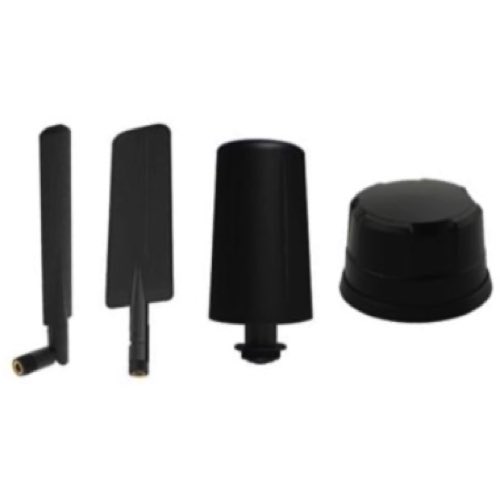
Beijer antennas are designed to provide reliable wireless communication in industrial networking, automation, and IoT applications where stable connectivity is essential. RSP Supply offers Beijer antennas for systems that depend on dependable signal performance in demanding environments such as transportation, remote monitoring, industrial communication, and machine-to-machine networking. These antennas are commonly used in installations where rugged design, consistent wireless operation, and compatibility with modern communication platforms are important.
Beijer offers antenna options for 4G/LTE, 5G, Wi-Fi, Bluetooth, and GPS or GNSS applications, giving users the flexibility to match the antenna to the communication technology used in the system. These antennas support industrial wireless infrastructure by helping improve signal strength, maintain communication links, and support reliable connectivity between routers, HMIs, control systems, and remote devices. Beijer antenna solutions are often used as part of broader communication architectures that include industrial routers and HMI platforms, helping support more dependable wireless performance across automation and remote access applications.
Beijer antennas are available in a variety of mounting styles and protection levels to suit different installation requirements. Options may include screw-mount, magnetic whip mount, and rotatable wide-band designs, along with outdoor-rated models that support harsh-environment use. For outdoor installations, users often look for environmental protection ratings such as IP67 to help ensure resistance to dust and water exposure. With selection guidance based on environment, frequency, and mounting requirements, Beijer antennas help support practical and reliable wireless communication in industrial systems.


FAQs
Q: What types of antennas does Beijer offer?
Beijer offers antennas for 4G/LTE, 5G, Wi-Fi, Bluetooth, and GPS or GNSS applications designed for industrial communication, IoT, and automation systems.
Q: Are Beijer antennas compatible with both Wi-Fi and cellular applications?
Yes, Beijer offers antennas for both Wi-Fi and cellular communication, including dual-band Wi-Fi models and wide-band cellular antenna options.
Q: What mounting options are available for Beijer antennas?
Available mounting options may include screw-mount, magnetic whip mount, and rotatable wide-band antenna designs, depending on the model and application.
Q: What environmental protection rating should I look for if installing a Beijer antenna outdoors?
For outdoor installations, ratings such as IP67 are commonly considered because they indicate protection against dust and water exposure.
Q: How do I pick the right Beijer antenna for my system?
The right Beijer antenna depends on the wireless technology being used, the installation environment, the required frequency range, and the preferred mounting method. Beijer provides antenna selection guidance to help match these requirements.
Why Buy Beijer Antennas from RSP Supply
RSP Supply offers Beijer antennas for customers who need dependable wireless communication solutions for industrial automation, transportation, IoT, and remote monitoring applications. With antenna options available for cellular, Wi-Fi, Bluetooth, and GPS communication, customers can source practical products for a wide range of industrial networking requirements.