

Freewave Antennas
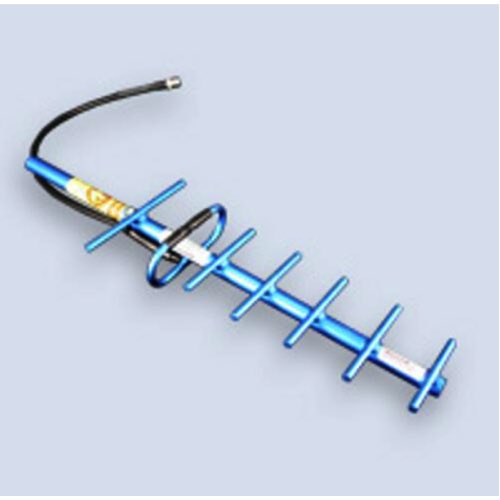
FreeWave antennas are designed to support long-range wireless communication in industrial automation, SCADA, telemetry, IoT, and remote monitoring applications. These antennas are commonly used with FreeWave radios to help maintain reliable data transmission between equipment, control systems, and remote assets in harsh or hard-to-access environments. Their rugged construction and frequency-specific designs make them well-suited for industrial networks where dependable connectivity is essential.
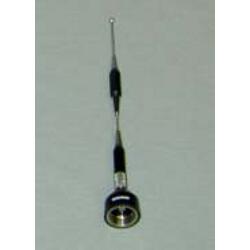
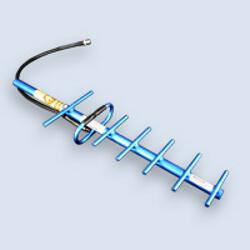
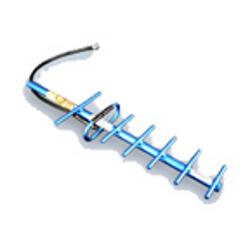
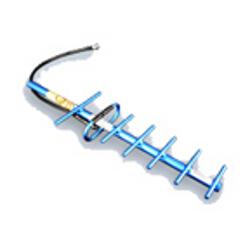
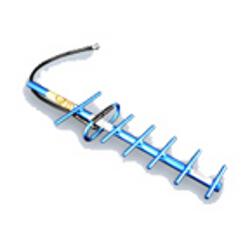
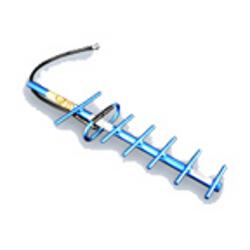
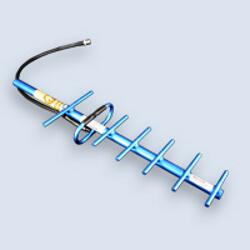
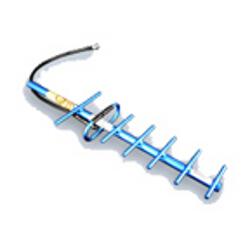
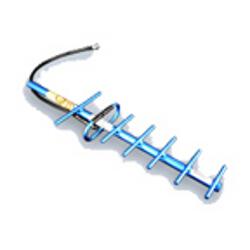
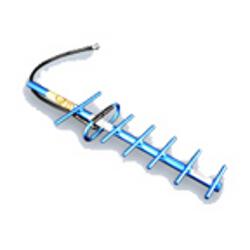
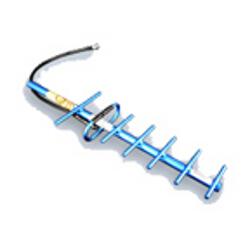
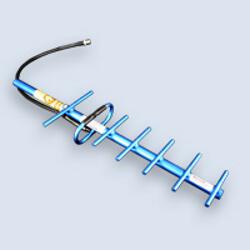
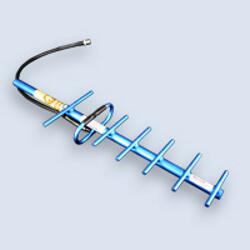
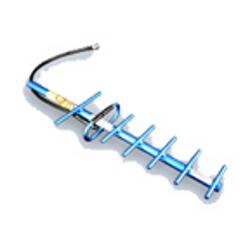
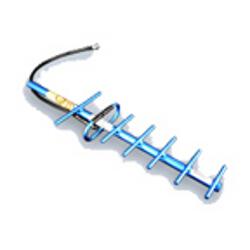
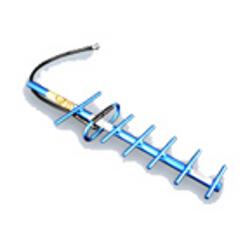
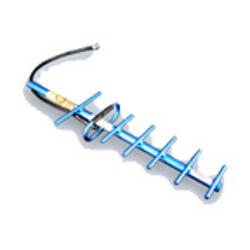
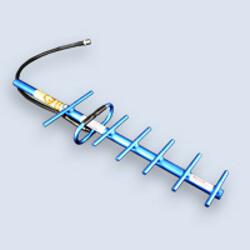
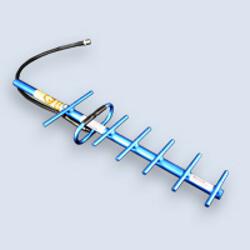
FreeWave antenna options include whip antennas, coil antennas, directional antennas, omnidirectional antennas, and complete antenna kits with mounting hardware and cables. Whip and omnidirectional antennas are often used where broad signal coverage is needed around the installation point, while directional antennas are better suited for line-of-sight communication between fixed locations. High-gain directional models can help improve long-distance performance when antenna alignment and signal path conditions are properly managed.
Selecting the correct FreeWave antenna depends on frequency range, communication distance, mounting location, connector type, polarization requirements, and the design of the wireless network. Options for 900 MHz and 2.4 GHz systems allow users to match antenna performance to their specific radio platform and application. Proper antenna selection and installation help support stable communication for water and wastewater facilities, oil and gas sites, manufacturing plants, energy infrastructure, and remote monitoring systems.



















FAQs
Q: What are FreeWave antennas used for in industrial applications?
FreeWave antennas are used to transmit and receive wireless data between FreeWave radios in industrial automation, SCADA, telemetry, and remote monitoring systems where reliable long-distance communication is required.
Q: Which FreeWave antenna is best for long-range communication?
Directional Yagi and high-gain panel antennas are commonly used for long-range point-to-point communication, while omni-directional antennas are better suited for multi-directional coverage or shorter-distance network layouts.
Q: Are FreeWave antennas compatible with all FreeWave radios?
Most FreeWave antennas are designed for specific frequency ranges and connector types. It is important to match the antenna to the radio model, operating frequency, and installation requirements.
Q: Where are FreeWave antennas commonly installed?
FreeWave antennas are commonly installed at water and wastewater facilities, oil and gas sites, manufacturing plants, energy infrastructure locations, and remote monitoring sites.
Q: How do I choose the right FreeWave antenna for my system?
Choose a FreeWave antenna based on frequency range, communication distance, coverage pattern, mounting location, connector type, and whether the application requires directional or omnidirectional coverage.
Why Buy FreeWave Antennas from RSP Supply
RSP Supply offers FreeWave antennas for industrial wireless communication systems used in automation, SCADA, telemetry, IoT, and remote monitoring applications. Our selection includes antenna options for long-range communication, plant-wide coverage, and remote equipment connectivity.