
ABB Push Buttons, Switches & Signaling Devices
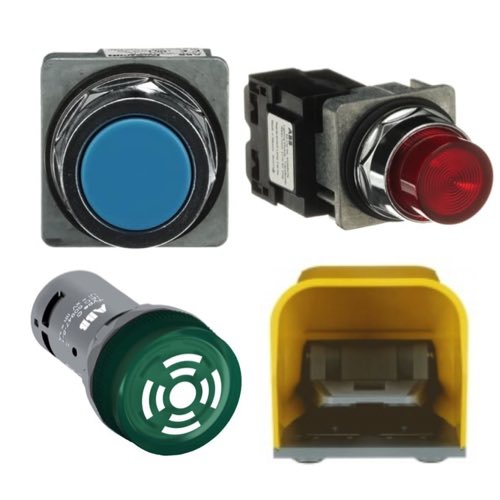
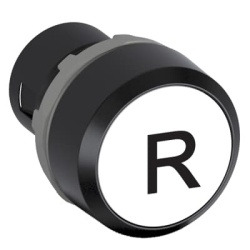
ABB push buttons, switches, and signaling devices are essential components of low-voltage control and automation systems. Designed to serve as the primary human-machine interface, these devices allow operators to safely monitor machine status and control processes from a central location. ABB pilot devices are widely used in manufacturing, utilities, infrastructure, and industrial automation environments where reliability and clarity of indication are critical.
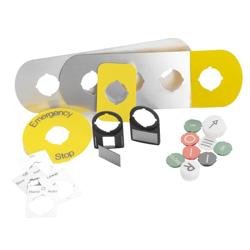
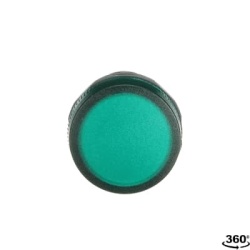
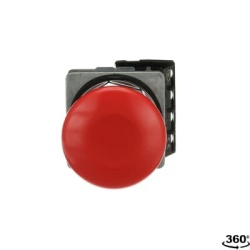
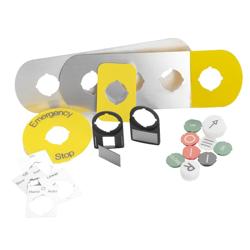
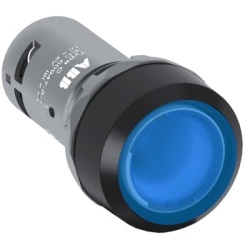
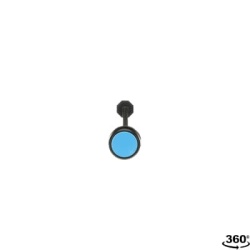
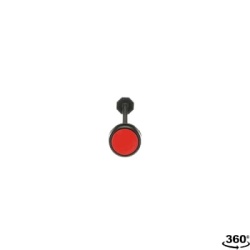
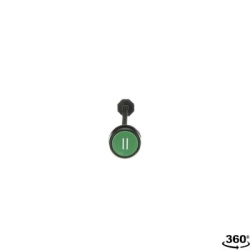
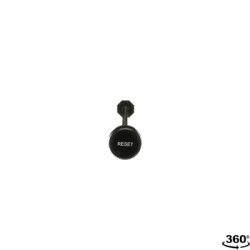
ABB’s portfolio includes push buttons, selector switches, emergency stop devices, pilot lights, and signaling products engineered for precise and consistent actuation. Clear visual and mechanical feedback ensures operators can quickly identify machine conditions and respond appropriately. These devices support both simple control functions and complex, interlinked systems where dependable operator input is required for safe operation.
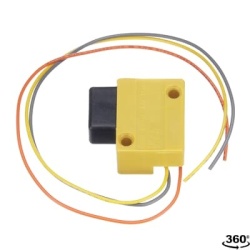
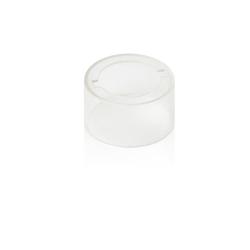
Available in a wide range of shapes, sizes, colors, and mounting styles, ABB push buttons and signaling devices are built for long-term use with minimal maintenance. Modular and compact designs allow for flexible panel layouts while maintaining durability and performance in demanding industrial environments. When properly installed, many devices are designed to help maintain enclosure ratings and environmental protection.




FAQs
Q: What range of pilot devices does ABB offer?
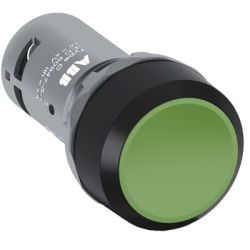
ABB offers a broad selection of pilot devices including push buttons, emergency stop buttons, selector switches, pilot lights, signal beacons, and stack lights.
Q: How are ABB pilot devices installed?
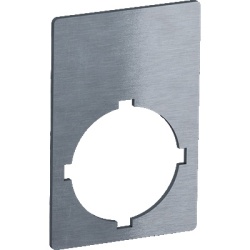
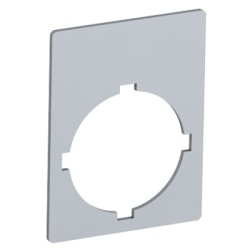
ABB pilot devices are installed using specified panel cut-out dimensions and torque values. Common panel thickness ranges from 1.5 mm to 6 mm, with typical mounting cutouts of Ø22 mm or Ø30 mm.
Q: Can ABB pilot devices be used in emergency stop or safety circuits?
Yes, ABB emergency stop push buttons meet IEC 60947-5-5 latching and reset requirements, making them suitable for machine safety applications.
Q: What styles of ABB pilot devices are available?
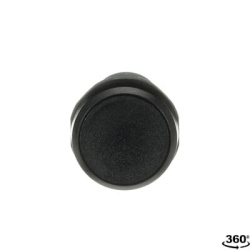
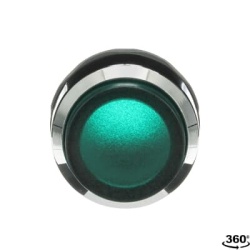
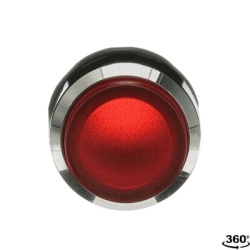
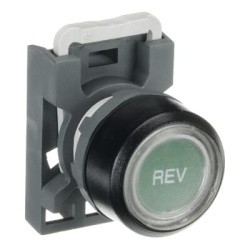
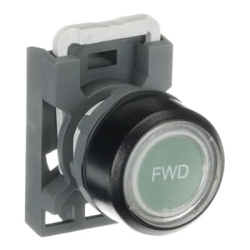
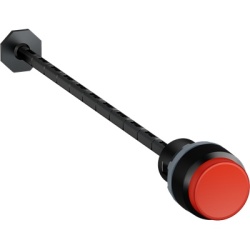
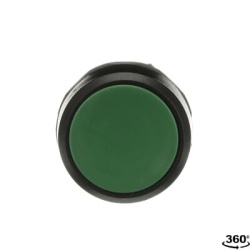
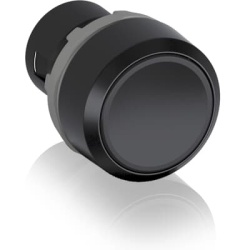
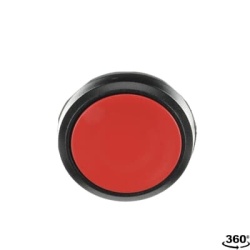
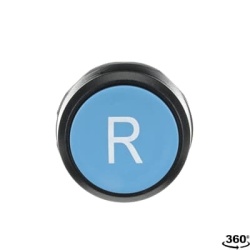
ABB offers multiple actuator styles including mushroom, flush, and extended designs, as well as illuminated and non-illuminated versions with various color and legend options.
Q: What is the difference between 22 mm and 30 mm mounting sizes?
The 22 mm mounting size is commonly used for compact and international-standard applications. ABB provides adapters that allow 22 mm devices to be installed in 30 mm mounting holes.
Why Buy ABB Push Buttons, Switches & Signaling Devices from RSP Supply
RSP Supply provides a comprehensive selection of ABB push buttons, switches, and signaling devices for industrial control and automation systems. Our offerings support reliable operator interfaces, safety compliance, and flexible panel design. Customers rely on RSP Supply for knowledgeable technical support, dependable sourcing, and industrial-grade control components built for long-term performance.