
Killark Push Buttons, Switches & Signaling Devices
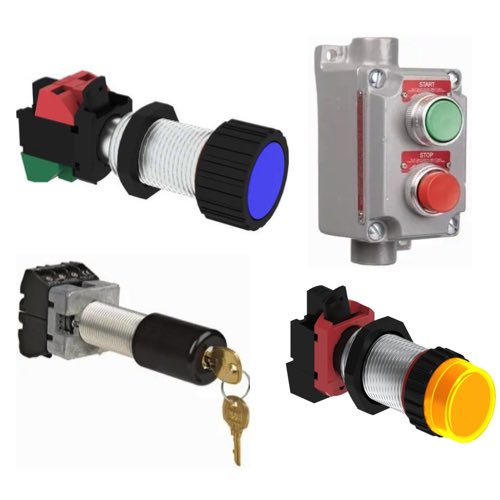
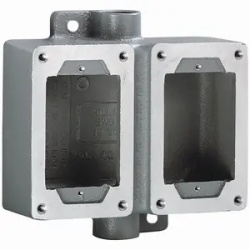
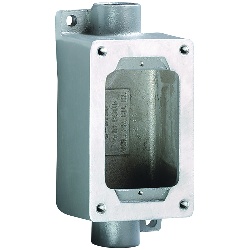
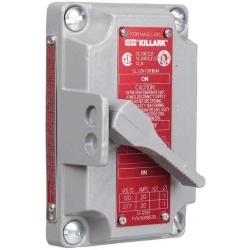
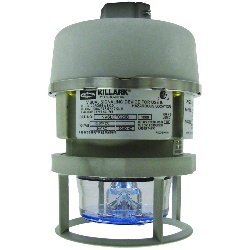
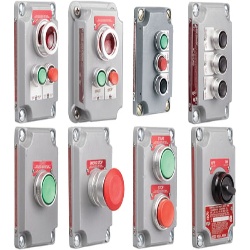
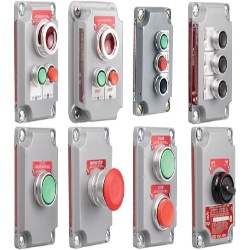
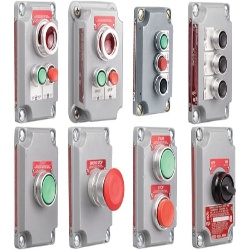
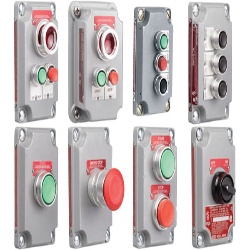
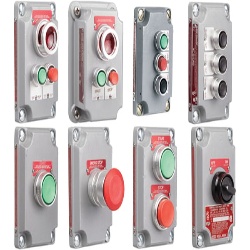
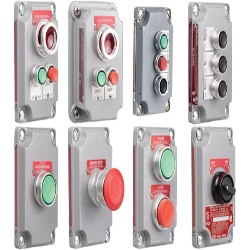
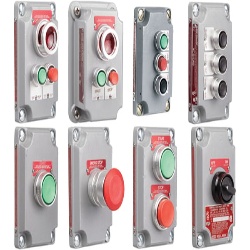
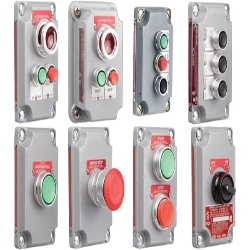
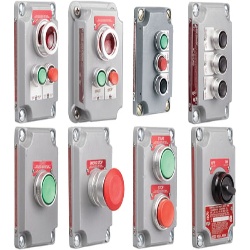
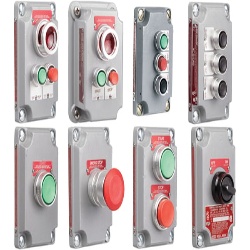
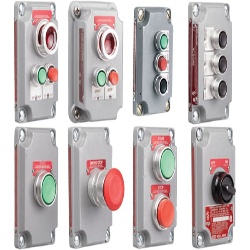
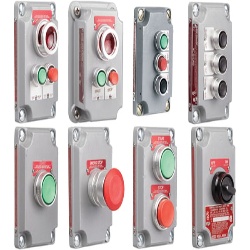
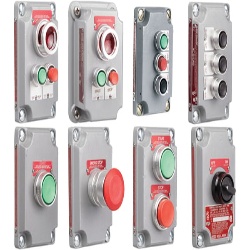
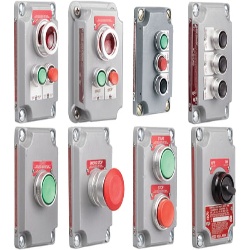
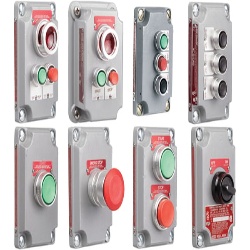
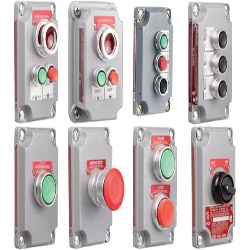
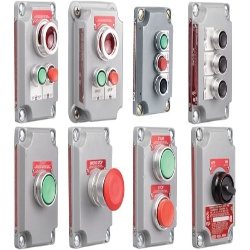
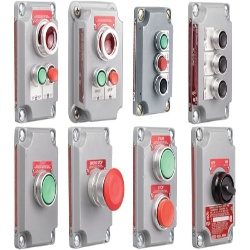
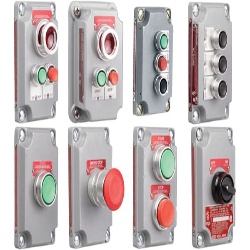
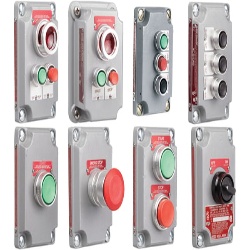
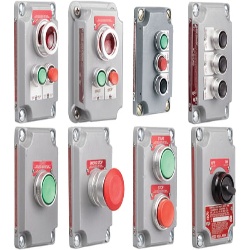
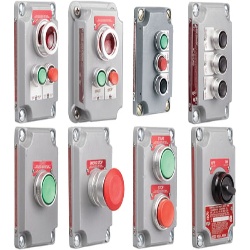
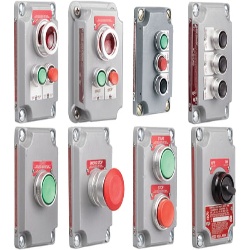
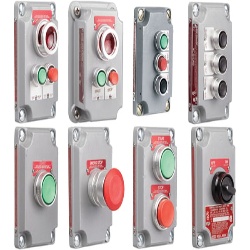
Killark push buttons, switches, and signaling devices are engineered for performance in hazardous and demanding industrial environments. Built to withstand exposure to dust, moisture, and corrosive vapors, these control components provide safe, reliable operation in refineries, petrochemical facilities, manufacturing plants, and mining operations.
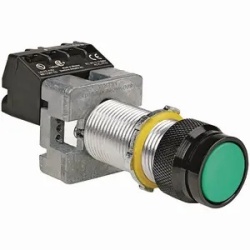
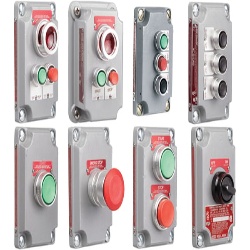
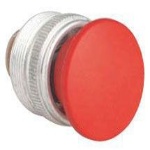
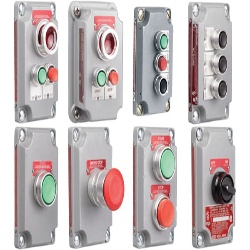
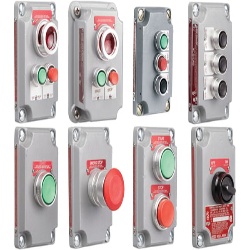
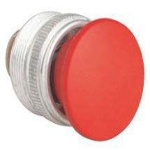
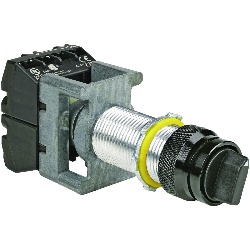
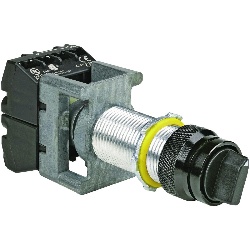
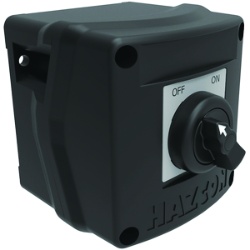
Killark push buttons and signaling devices meet strict explosion-proof and hazardous location standards, ensuring long-term durability and dependable control in environments where safety cannot be compromised. Available in configurations such as momentary, maintained, and push-pull, these operator interfaces are designed for ease of use; even while wearing protective gloves.
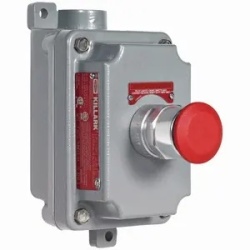
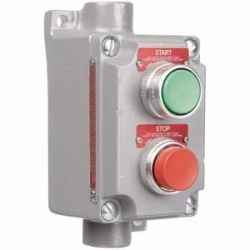
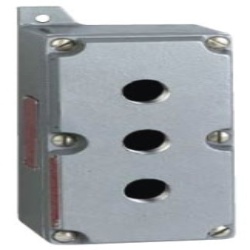
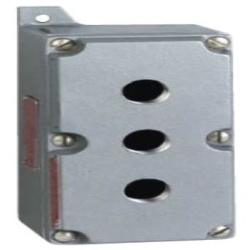
Constructed from rugged materials like stainless steel and copper-free aluminum, Killark control stations resist corrosion and impact while maintaining responsive and precise functionality. Whether initiating a process, performing start/stop control, or signaling equipment status, these devices deliver reliable performance and clear operator feedback in the toughest industrial conditions.



FAQs
Q: Where are Killark push buttons and signaling devices typically used?
Killark devices are commonly used in hazardous industrial environments such as oil refineries, gas processing plants, chemical facilities, manufacturing operations, and mining sites where explosion-proof equipment is required.
Q: Are Killark push buttons certified for hazardous locations?
Yes. Killark push buttons and switches are UL and CSA certified for Class I, II, and III hazardous locations, ensuring compliance with safety standards for explosive and flammable environments.
Q: What materials are Killark control and signaling devices made from?
Killark devices are typically constructed from corrosion-resistant stainless steel or copper-free aluminum, providing durability and impact resistance in harsh industrial conditions.
Q: What types of operator configurations are available?
Killark offers a variety of operator styles, including momentary, maintained, and push-pull configurations, allowing flexibility for start/stop control, process activation, and emergency signaling.
Q: Can Killark signaling devices be used outdoors?
Yes. Many Killark signaling devices are weather-sealed and rated for outdoor use, providing reliable performance when exposed to rain, dust, and temperature variations.
Why Buy Killark Push Buttons, Switches & Signaling Devices from RSP Supply
RSP Supply offers a broad selection of Killark explosion-proof push buttons, switches, and signaling devices to support safe and compliant industrial operations. As a trusted industrial supplier, RSP Supply provides access to proven Killark solutions backed by knowledgeable product support and a commitment to reliable, long-term performance in hazardous location applications.