

Photoelectric Sensors
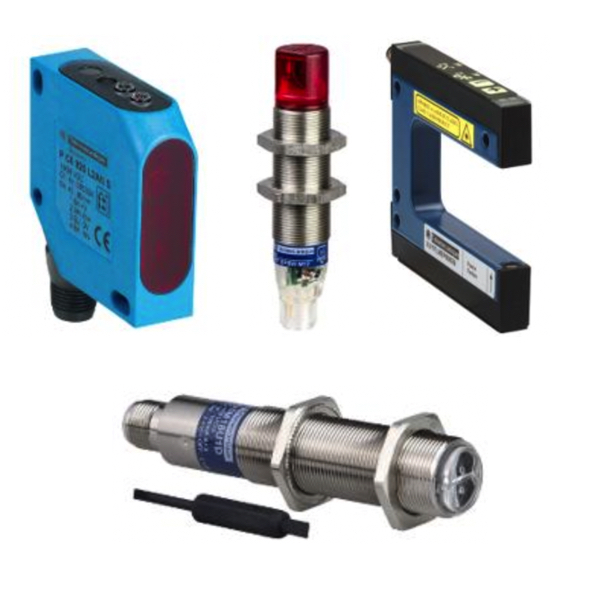
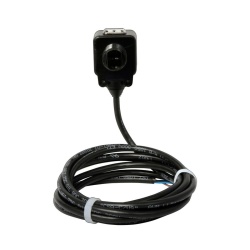
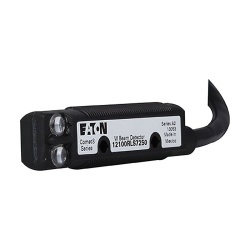
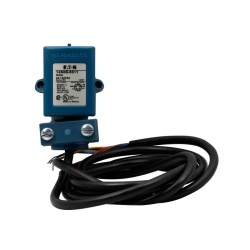
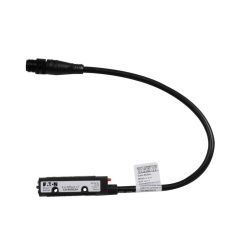
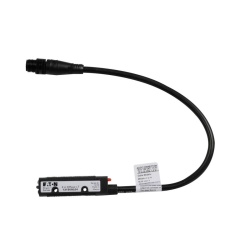
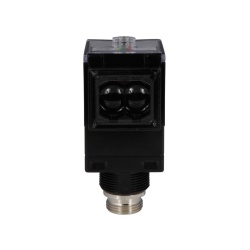
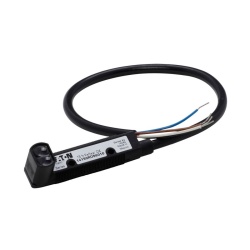
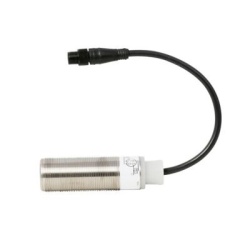
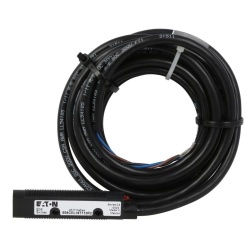
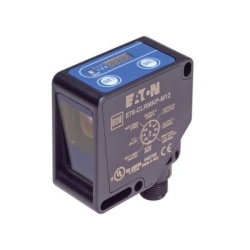
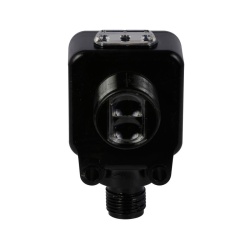
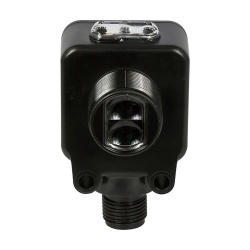
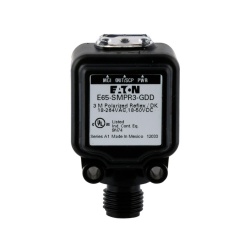
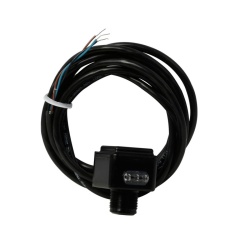
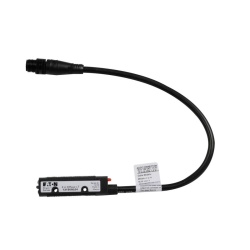
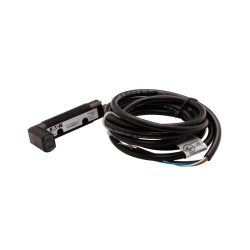
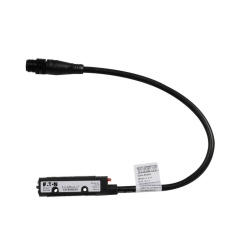
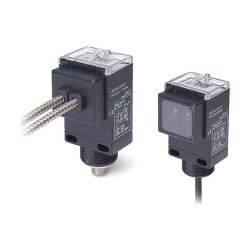
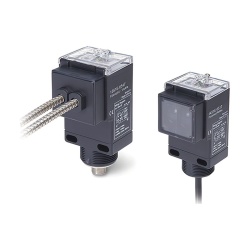
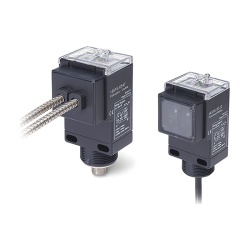
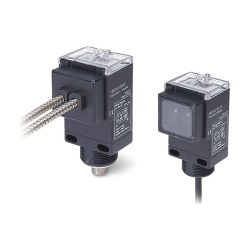
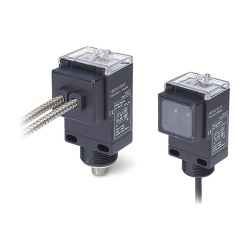
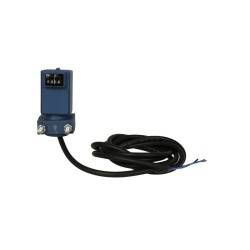
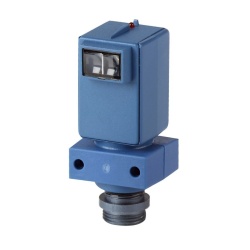
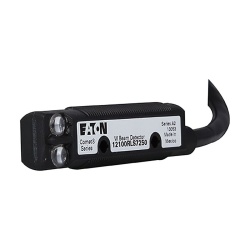
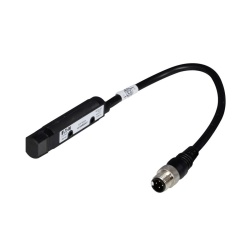
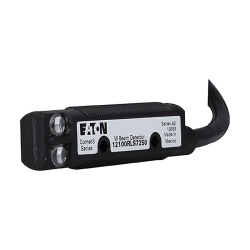
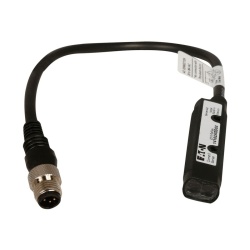
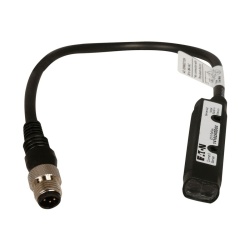
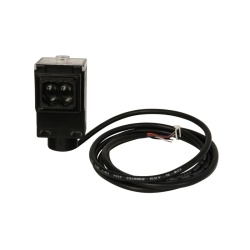
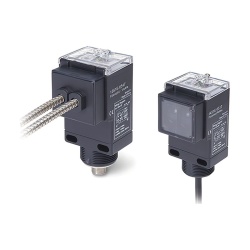
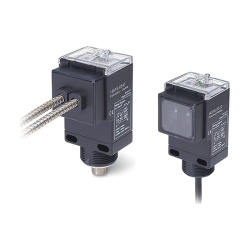
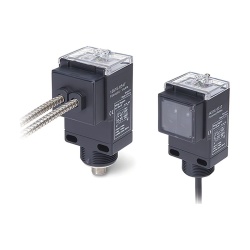
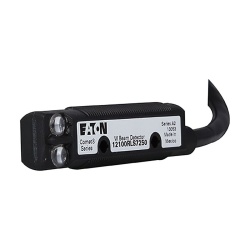
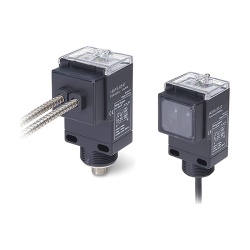
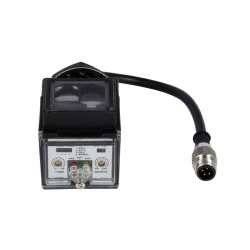
Photoelectric sensors are optical sensing devices used to detect objects by emitting a focused light beam, commonly red, infrared, or blue, and monitoring changes in that light path. Detection occurs when the beam is interrupted or reflected by a target object, making photoelectric sensors well-suited for applications involving small parts, transparent materials, or long sensing distances where other sensor technologies may be less effective. These sensors are widely used in industrial automation environments due to their accuracy, flexibility, and reliable performance across a range of operating conditions.
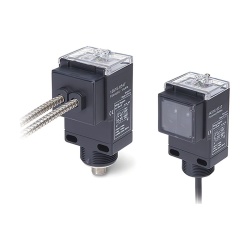
This category includes multiple sensing modes, such as through-beam, retroreflective, and diffuse photoelectric sensors with background suppression. Through-beam sensors use a separate emitter and receiver to achieve long sensing distances and high reliability. Retroreflective sensors combine the emitter and receiver in one housing and use a reflector, while diffuse sensors detect objects directly without additional components. Background suppression models help prevent false detections by ignoring objects beyond a defined distance, making them ideal for applications with reflective backgrounds or closely spaced targets.
Photoelectric sensors are commonly applied in material handling, packaging, conveyors, robotics, and automated assembly systems. Advanced designs may include modulated light output, polarized optics, and compact housings to improve resistance to ambient light interference and support installation in space-constrained environments. Proper selection based on sensing range, target characteristics, and environmental conditions ensures accurate detection and long-term reliability.

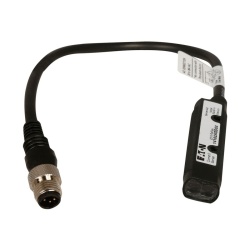
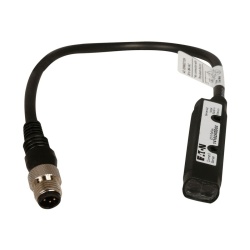
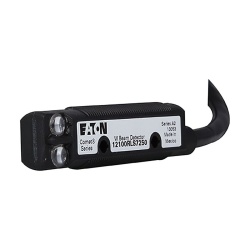
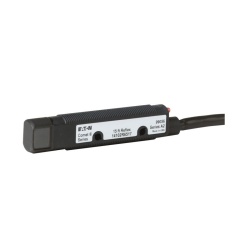
FAQs
Q: What is a photoelectric sensor and how does it work?
A photoelectric sensor detects objects by emitting a light beam and sensing changes when an object interrupts or reflects that beam. This allows the sensor to determine object presence, position, or movement in automation systems.
Q: What are the main types of photoelectric sensors?
The primary types are through-beam, retroreflective, and diffuse sensors. Through-beam sensors offer long detection distances, retroreflective sensors use a reflector, and diffuse sensors detect objects directly without external components.
Q: How do I choose the right photoelectric sensor for my application?
Selection depends on sensing distance, target size and material, environmental conditions, mounting constraints, and response time. Through-beam sensors are ideal for long distances or harsh environments, while diffuse sensors are suitable for short-range detection.
Q: Where are photoelectric sensors commonly used?
They are widely used in manufacturing, packaging, material handling, conveyors, robotics, and automated assembly for detection, counting, positioning, and jam detection tasks.
Q: What environmental factors affect photoelectric sensor performance?
Performance can be influenced by dust, oil, moisture, ambient light, vibration, and target surface reflectivity. Choosing the appropriate sensing mode and housing rating helps ensure reliable operation.
Why Buy Photoelectric Sensors from RSP Supply
RSP Supply offers a broad selection of photoelectric sensors designed for accurate and dependable object detection in industrial automation systems. Our product range supports diverse sensing requirements, helping engineers and maintenance teams implement reliable solutions across demanding applications.