

IDEC Photoelectric Sensors
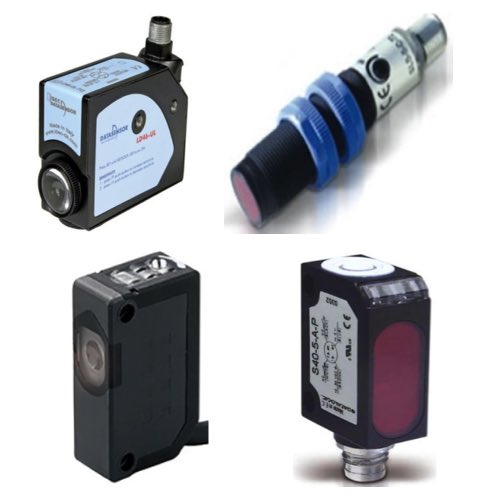
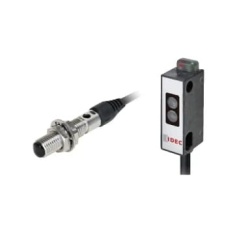
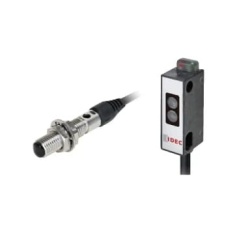
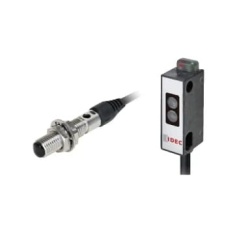
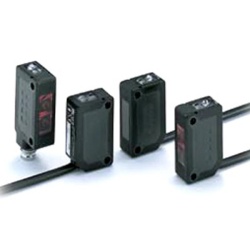
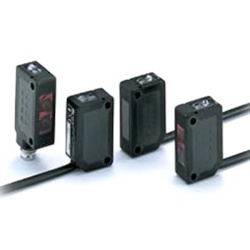
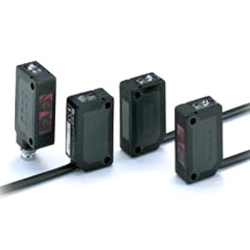
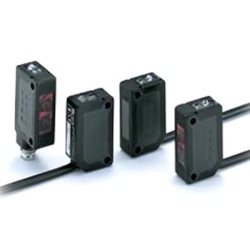
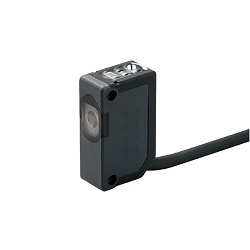
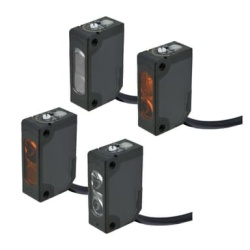
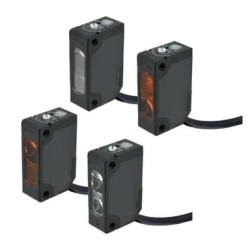
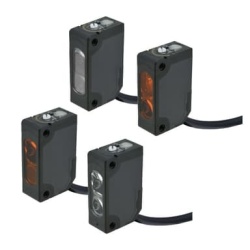
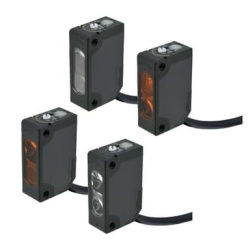
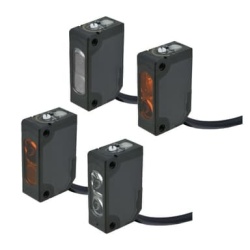
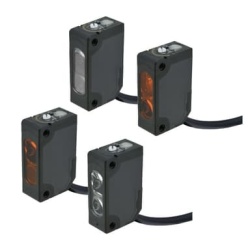
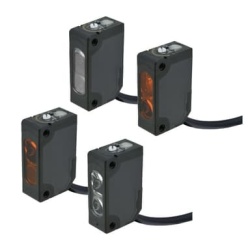
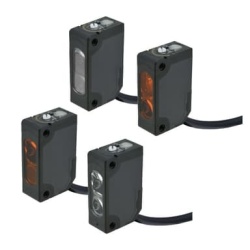
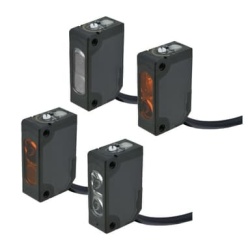
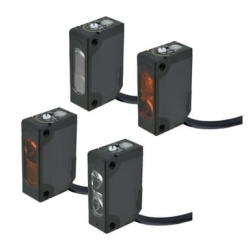
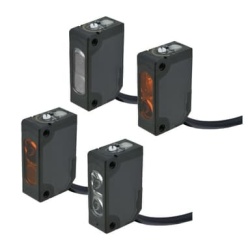
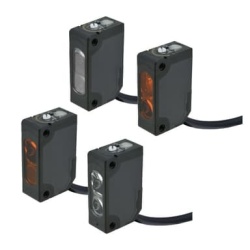
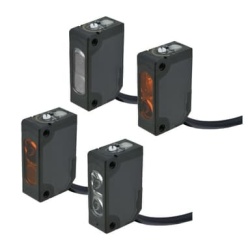
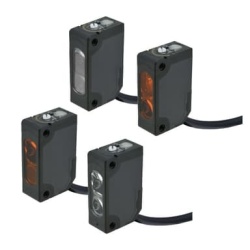
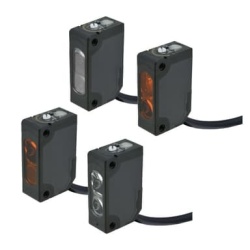
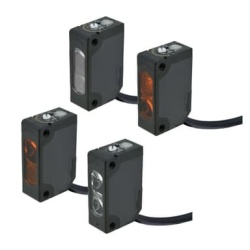
IDEC photoelectric sensors provide accurate, non-contact object detection for a wide range of industrial automation and machine control applications. These sensors are used to detect position, presence, shape, color, or distance of targets in environments such as manufacturing lines, robotics, packaging equipment, and conveyor systems. Their fast response times and stable detection performance support high-speed processes and reliable system operation.
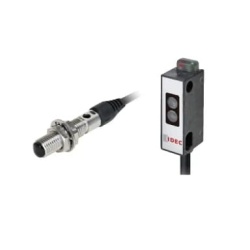
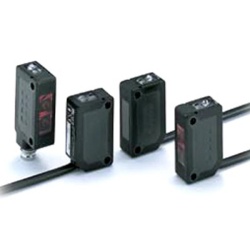
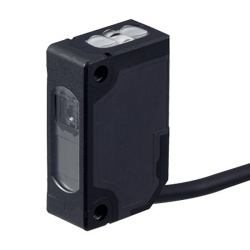
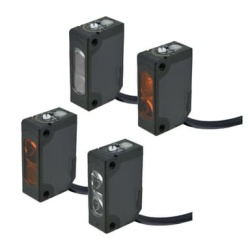
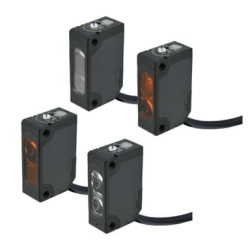
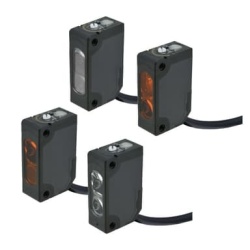
The IDEC photoelectric sensor lineup includes miniature, compact, and heavy-duty models with multiple sensing modes, mounting styles, and sensing ranges. Rugged housings protect internal components from dust, oil, moisture, vibration, temperature variation, ambient light, and electrical noise. Many models carry industrial environmental ratings, helping reduce false readings, downtime, and maintenance interruptions in demanding applications.
Designed for flexible installation, IDEC photoelectric sensors can be mounted directly on machinery, inside equipment, or along conveyor lines. Standard connectors, output options, and wiring voltages simplify integration with PLCs, controllers, and I/O systems. Common applications include object counting, positioning, package tracking, product flow detection, inspection, stop/start control, and error-proofing in automated systems.













FAQs
Q: What is an IDEC photoelectric sensor and how does it work?
An IDEC photoelectric sensor uses a light emitter and receiver or reflector to detect objects without physical contact. Detection occurs when a light beam is interrupted or reflected, depending on the sensing mode.
Q: What types of IDEC photoelectric sensors are available?
IDEC offers miniature to heavy-duty sensors with through-beam, retro-reflective (polarized and non-polarized), diffuse-reflective, and background suppression sensing modes for varied detection requirements.
Q: How do I choose the right IDEC photoelectric sensor for my application?
Selection depends on sensing distance, target size and material, available mounting space, and environmental conditions. Output type, response time, and PLC compatibility should also be considered to ensure reliable operation.
Q: Are IDEC photoelectric sensors suitable for harsh industrial environments?
Yes. Many IDEC sensors feature IP-rated housings and are designed to withstand dust, moisture, vibration, and wide temperature ranges common in industrial automation.
Q: What applications commonly use IDEC photoelectric sensors?
They are widely used in manufacturing, packaging, bottling, conveyors, robotics, material handling, quality inspection, part counting, and presence detection where fast, reliable sensing is required.
Why Buy IDEC Photoelectric Sensors from RSP Supply
RSP Supply offers a broad selection of IDEC photoelectric sensors to support reliable object detection across industrial automation systems. Our product lineup helps simplify sensor selection, integration, and long-term maintenance. Customers rely on RSP Supply for trusted automation components, knowledgeable technical support, and dependable sourcing for industrial sensing solutions.