

Telemecanique Photoelectric Sensors
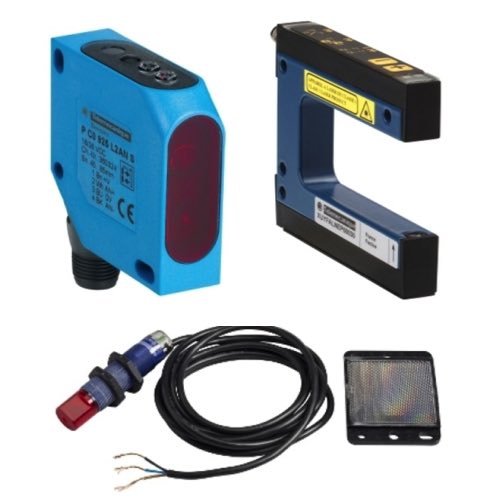
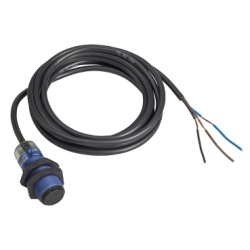
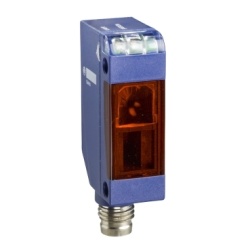
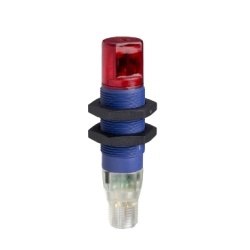
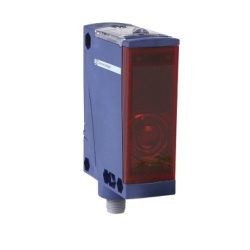
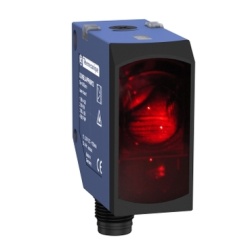
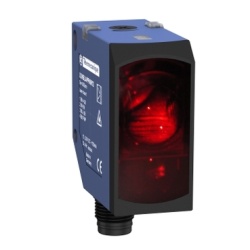
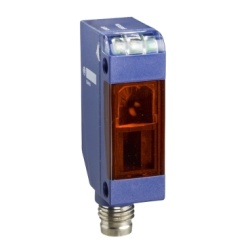
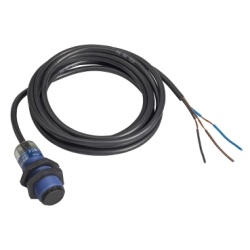
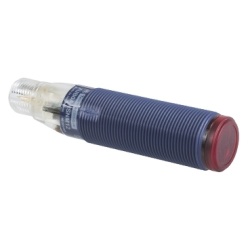
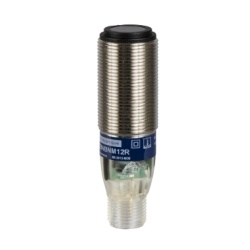
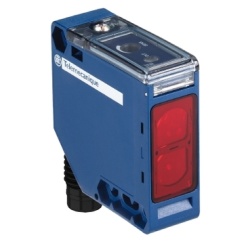
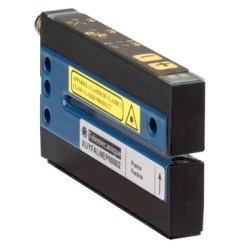
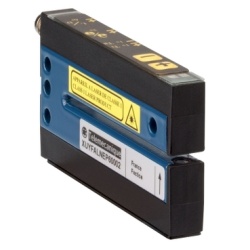
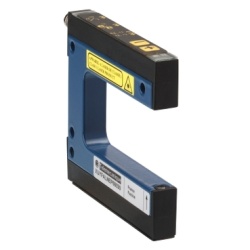
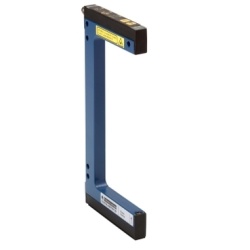
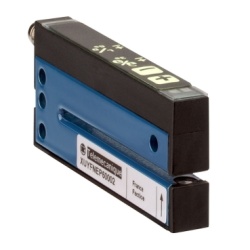
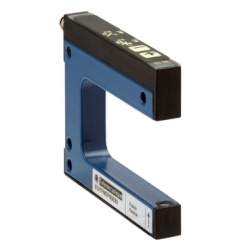
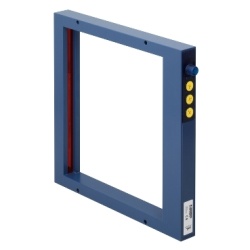
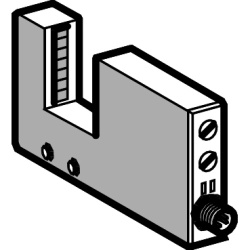
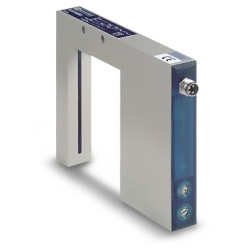
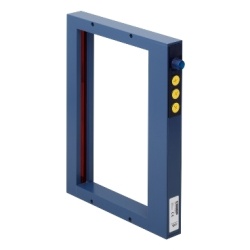
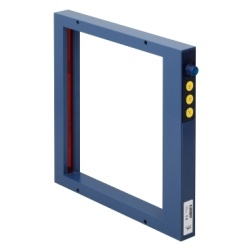
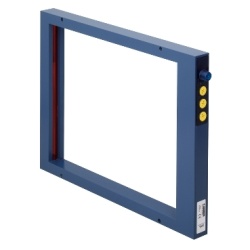
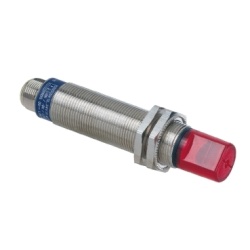
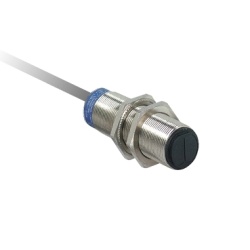
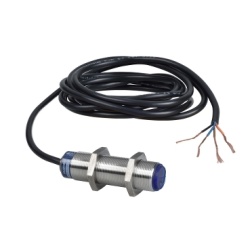
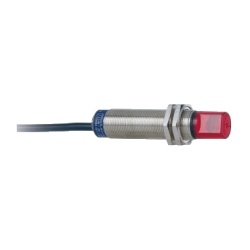
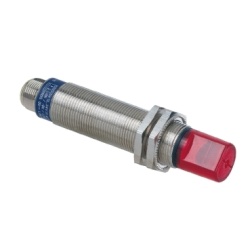
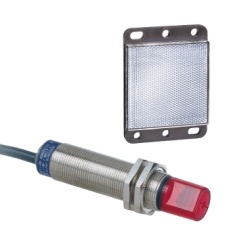
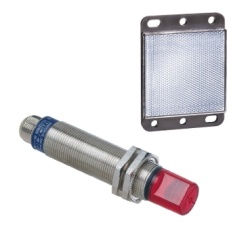
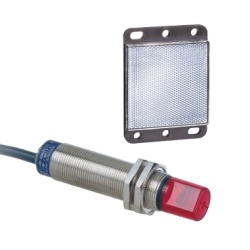
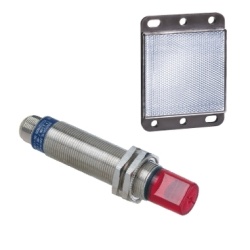
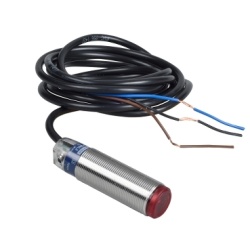
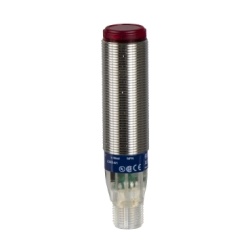
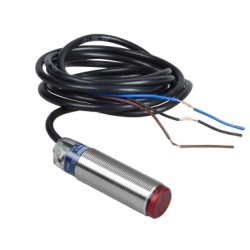
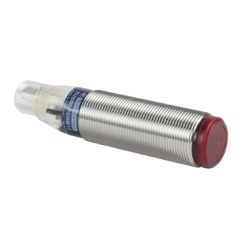
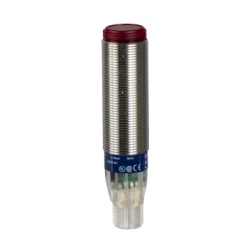
Telemecanique photoelectric sensors are rugged, reliable industrial devices used for non-contact detection of objects, packages, and targets. As part of Schneider Electric's industrial automation range, Telemecanique photoelectric sensors are a trusted choice for reliable object sensing in automated machinery, conveyors, counting, packaging, and material handling. These sensors provide precise, repeatable object presence or position feedback in harsh industrial conditions. A wide selection of Telemecanique photoelectric types are available (through-beam, retroreflective, diffuse, etc) to suit your sensing distance, target material, and mounting space requirements.
High-quality design enables stable sensing of different target colors, reflectivities, textures or transparencies in ambient factory lighting. Standard or high-performance Telemecanique photoelectric sensors feature industry-standard outputs for easy installation and integration into control systems. Fast response times enable use in high-speed automation for counting, positioning, jam detection and more. Telemecanique photoelectric sensors offer robust, dust-tight housings for use in dirty, wet, or demanding applications. They help to minimize false triggers, machine downtime, and provide long service life in automated control systems.
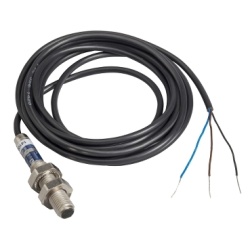
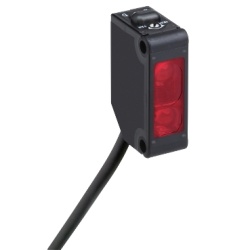
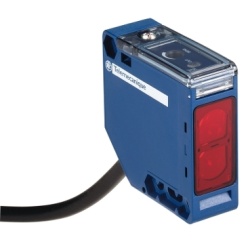
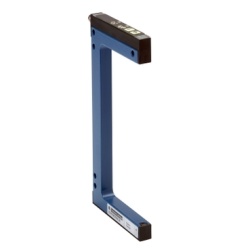
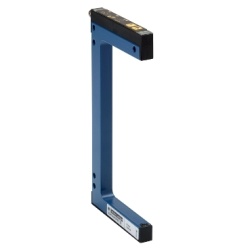
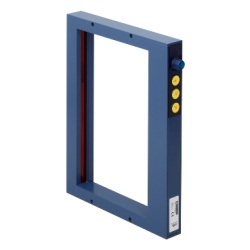
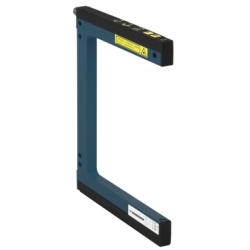
FAQs
What are Telemecanique photoelectric sensors used for?
Telemecanique photoelectric sensors are used to detect the presence, position, or movement of objects without physical contact. They are widely applied in conveyors, packaging equipment, material handling systems, and automated machinery to ensure reliable process control.
What types of photoelectric sensors does Telemecanique offer?
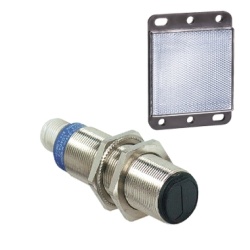
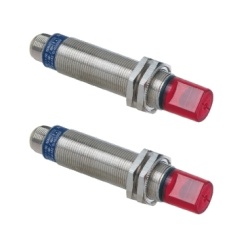
Telemecanique offers through-beam, retroreflective, and diffuse photoelectric sensors. Each type is designed to handle different sensing distances, object characteristics, and installation requirements in industrial automation environments.
How do I choose the right Telemecanique photoelectric sensor?
Choosing the right Telemecanique photoelectric sensor depends on sensing distance, object size and material, mounting space, and environmental conditions. Through-beam sensors are typically used for longer distances, while diffuse or retroreflective models work well for shorter ranges or compact installations.
Are Telemecanique photoelectric sensors suitable for harsh environments?
Yes, Telemecanique photoelectric sensors are built for industrial conditions and offer resistance to dust, moisture, vibration, and ambient light interference, making them suitable for continuous operation in demanding environments.
Can Telemecanique photoelectric sensors integrate with PLCs?
Telemecanique photoelectric sensors integrate easily with PLCs and industrial control systems using standard outputs, enabling fast response times and dependable operation in automated processes.
Why Buy Telemecanique Photoelectric Sensors from RSP Supply
RSP Supply offers Telemecanique photoelectric sensors engineered for accurate, dependable object detection in industrial automation environments. Our selection supports reliable machine performance and consistent sensing across demanding applications.