

Eaton Photoelectric Sensors
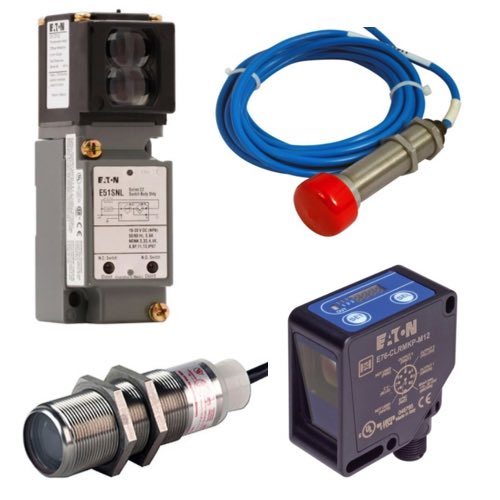
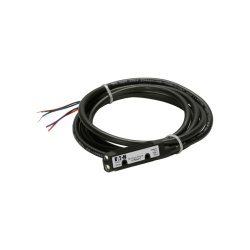
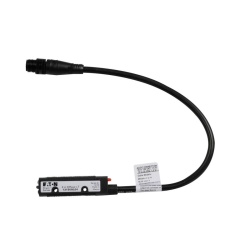
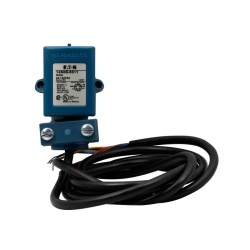
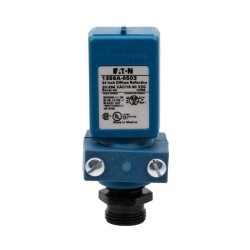
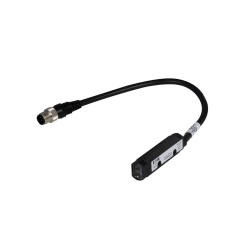
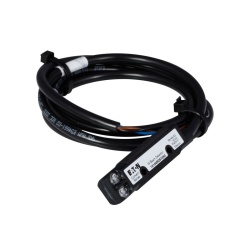
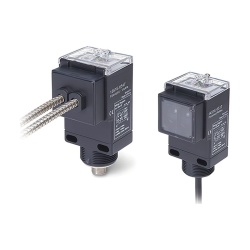
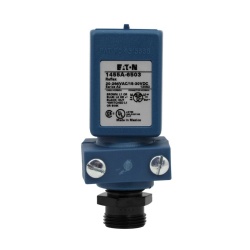
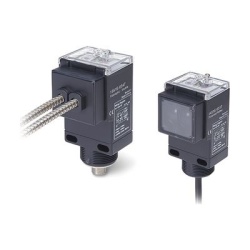
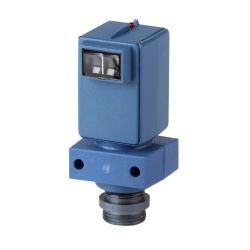
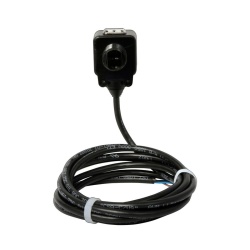
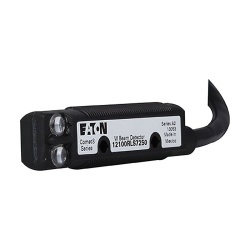
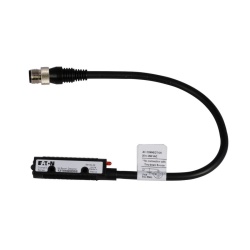
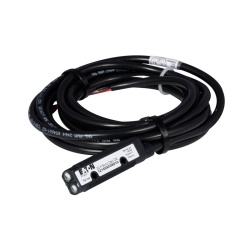
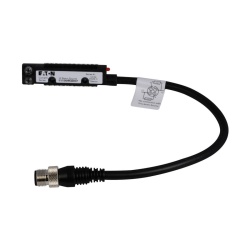
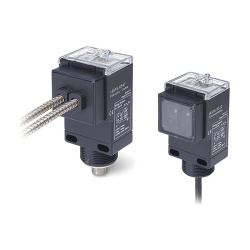
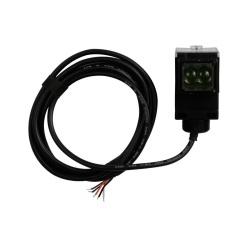
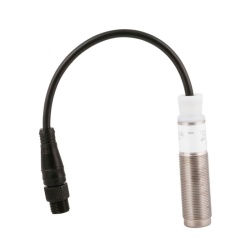
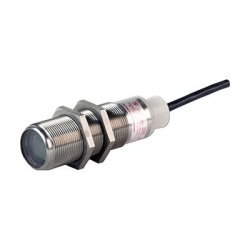
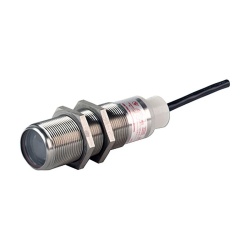
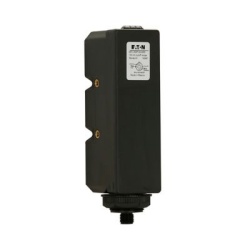
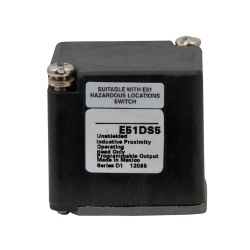
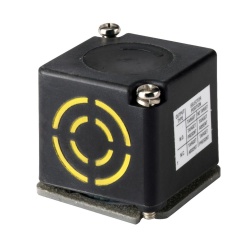
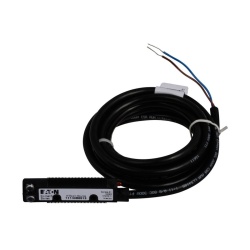
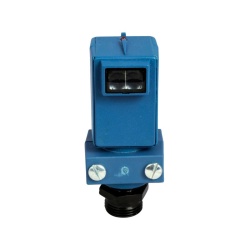
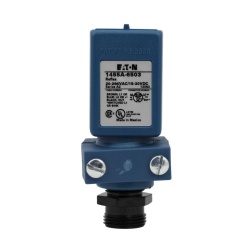
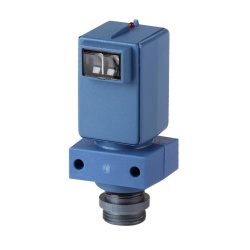
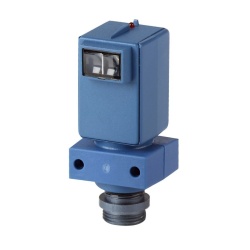
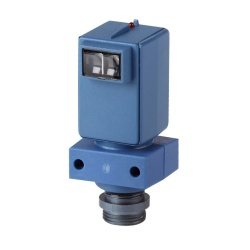
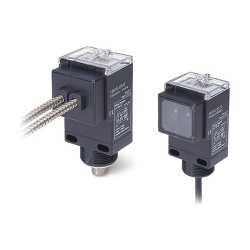
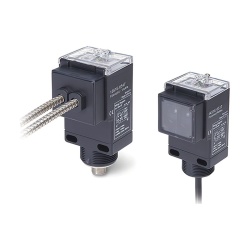
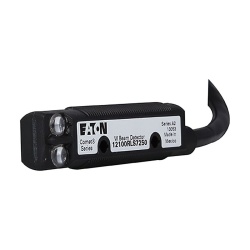
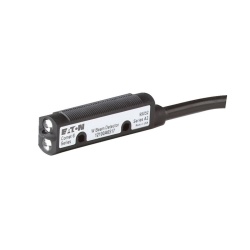
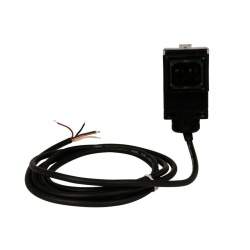
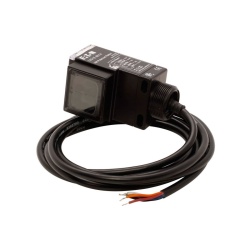
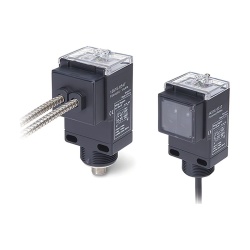
Eaton photoelectric sensors are used throughout automation (conveyors, packaging, material handling, feeders, etc.) for high-speed non-contact detection of items, parts, positioning events or tooling conditions. They are a reliable addition to your machine, increasing uptime and throughput without hassle. Eaton offers a full variety of photoelectric sensors to address a multitude of sensing distances, reflection requirements and target sizes. Three different sensing technologies provide customers with multiple options for installations, distances from target and target characteristics.
The selection is a rugged choice, providing dirt resistance and optimum performance with excellent immunity from electrical noise and ambient light. Output response times are very quick, allowing for high-speed repetitive events to be monitored without missing important items. Sizes and forms of these sensors include rugged, heavy-duty sensors for your hardy industrial needs as well as slim and compact designs for smaller machinery. Eaton photoelectric sensing solutions offer excellent performance and a reliable solution for your automation needs at a cost effective price.
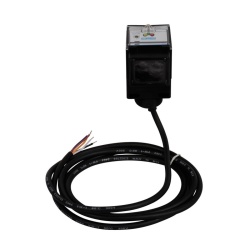
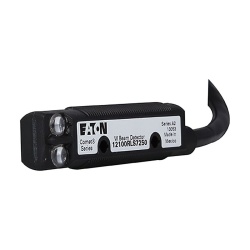
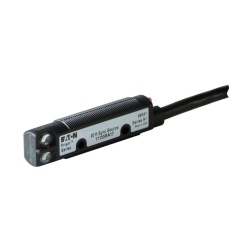
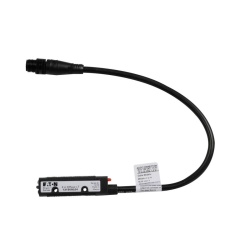


FAQs
What are Eaton photoelectric sensors used for?
Eaton photoelectric sensors are used to detect the presence, position, or movement of objects without physical contact. They are commonly applied in conveyors, packaging lines, material handling systems, and automated machinery to support reliable process control.
What types of photoelectric sensors does Eaton offer?
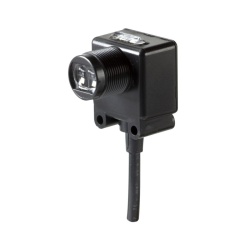
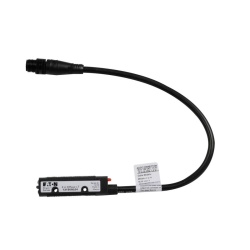
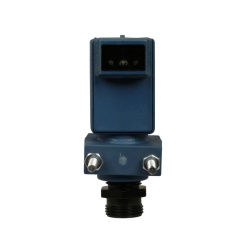
Eaton offers through-beam, retroreflective, and diffuse photoelectric sensors. Each type is suited for different sensing distances, target properties, and environmental conditions in industrial automation.
How do I choose the right Eaton photoelectric sensor?
Choosing the right Eaton photoelectric sensor depends on sensing distance, target size and color, mounting constraints, and environmental conditions. Through-beam sensors are ideal for long distances and dirty environments, while diffuse sensors work well for short-range detection without reflectors.
Are Eaton photoelectric sensors suitable for harsh environments?
Yes, Eaton photoelectric sensors are designed for industrial conditions and offer resistance to dust, vibration, ambient light, and electrical noise. Many models feature rugged housings and environmental protection for continuous-duty use.
Can Eaton photoelectric sensors integrate with PLCs and control systems?
Eaton photoelectric sensors integrate easily with PLCs and industrial control systems using standard outputs, enabling fast response times and dependable operation in automated processes.
Why Buy Eaton Photoelectric Sensors from RSP Supply
RSP Supply offers a broad selection of Eaton Photoelectric Sensors to support reliable object detection in industrial automation systems. These sensors meet recognized global standards and are backed by detailed technical documentation to support proper selection and installation. Customers choose RSP Supply for dependable access to Eaton sensing products, knowledgeable technical support, and components designed for consistent performance in demanding environments.