

Omega Controllers & Timers
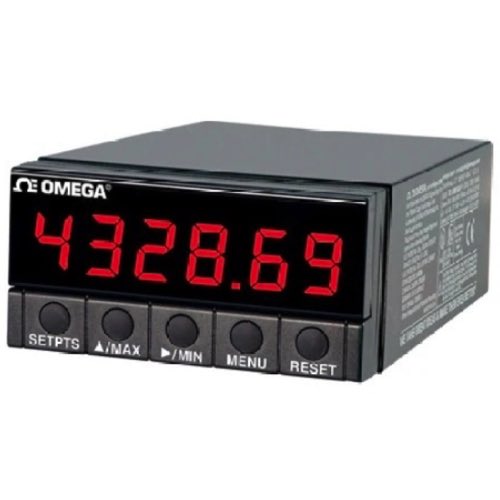
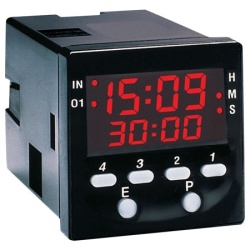
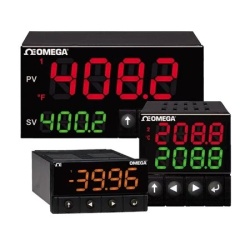
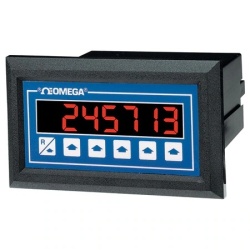
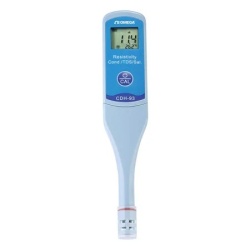
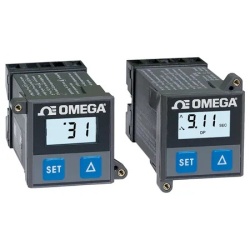
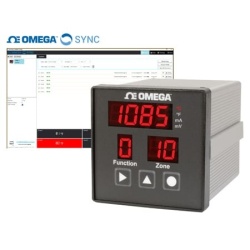
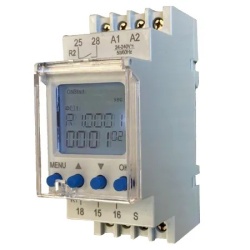
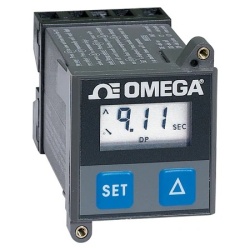
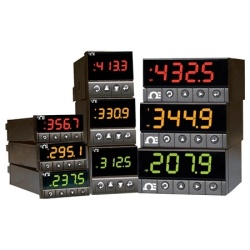
Omega timers and controllers enable accurate, consistent measurement, control, and management of factors such as temperature, pressure, and flow in industrial and laboratory settings. Omega timers are designed for reliability, repeatability, and ease of use. These timers work in diverse applications including process automation, HVAC, test stands, control panels, and general laboratory use. Omega’s wide-ranging offering includes high precision timers for time delay, interval, cyclic (repeat cycle / pulse), resettable, and relay control in both stand-alone and panel-mount configurations.
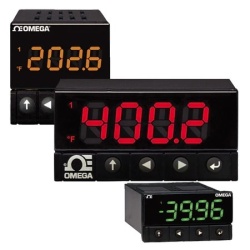
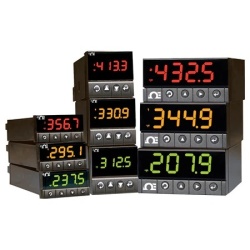
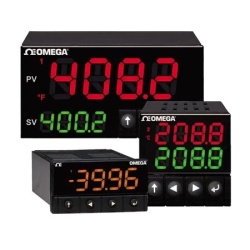
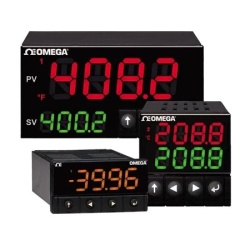
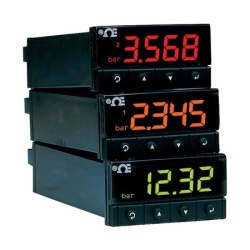
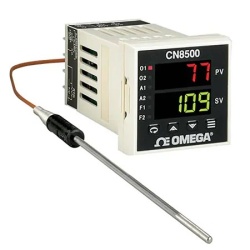
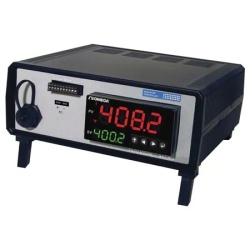
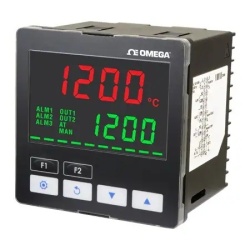
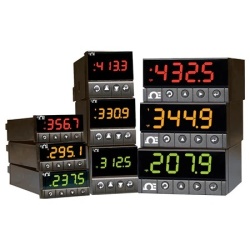
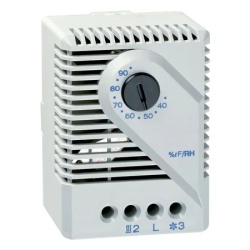
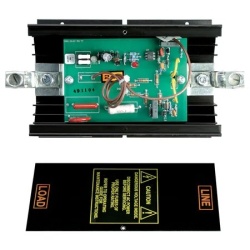
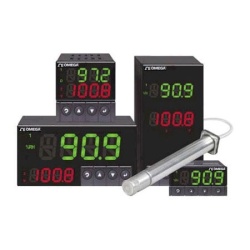
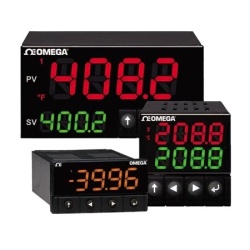
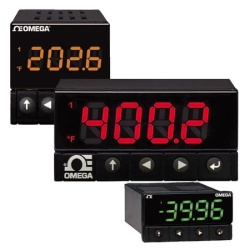
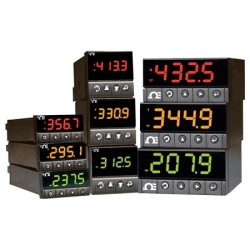
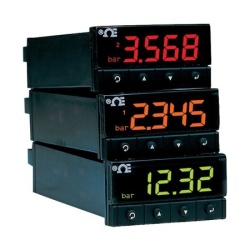
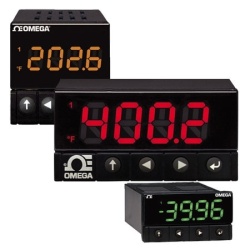
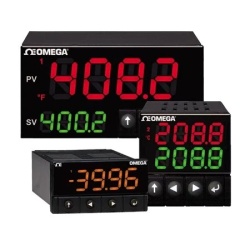
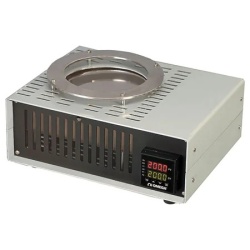
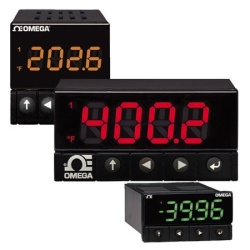
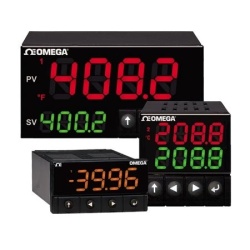
Omega controllers provide a rugged, universal solution for process measurement and system automation. Sophisticated display features, adjustable setpoints, and independent relay contacts allow Omega controllers to monitor and control conditions such as ambient temperature, pressure, conductive fluid levels, pump flow, heating and cooling, and instrumented systems such as thermal process chambers. This makes it simple to create consistent, repeatable profiles for production line processes, air or fluid systems, and batch production environments.
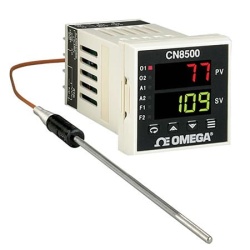
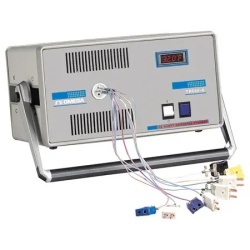
Omega controllers are valued in the field and trusted by engineers for data accuracy and reliable building block integration into test, measurement, and process control infrastructure. Their compatibility with thermocouples, RTDs, 4–20 mA loops, relays, solid-state outputs, and digital communication options makes them versatile for both simple and highly engineered systems. Users rely on Omega for stable control, long service life, and instrumentation that enhances operational precision.


FAQs
Q: What are Omega timers and controllers used for?
Omega timers and controllers are used to manage timing cycles, temperature regulation, and process automation in industrial, laboratory, and manufacturing environments to ensure consistent system performance.
Q: What types of timers and controllers does Omega offer?
Omega offers digital timers, temperature controllers, PID controllers, process controllers, and multifunction timing devices for applications ranging from HVAC systems to precision industrial processes.
Q: How accurate and reliable are Omega timers and controllers?
Omega designs its devices with stable electronics, tight tolerances, and durable components, delivering accurate control and dependable performance in demanding operating conditions.
Q: Can Omega timers and controllers integrate with existing automation systems?
Yes, Omega timers and controllers are designed to integrate with PLCs, sensors, thermocouples, RTDs, relays, contactors, and other industrial automation equipment.
Q: How do I choose the correct Omega timer or controller?
Selection depends on required timing or temperature range, input type, output configuration, communication needs, and environmental conditions such as vibration, moisture, or electrical noise.
Why Buy Omega Timers & Controllers from RSP Supply
RSP Supply offers a comprehensive selection of Omega timers and controllers for industrial process control and automation applications. Customers rely on RSP Supply for access to trusted instrumentation brands, detailed technical product information, and knowledgeable support to help ensure proper selection, integration, and long-term performance in demanding environments.