

Square D Schneider Electric Time Delay Relays
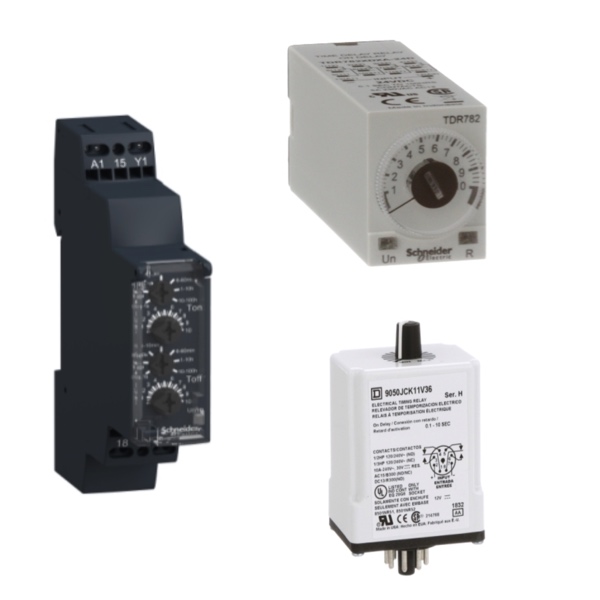
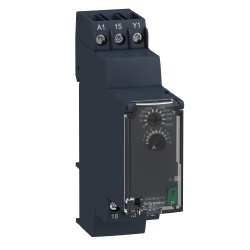
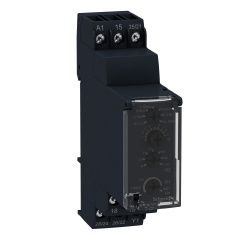
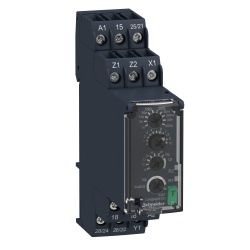
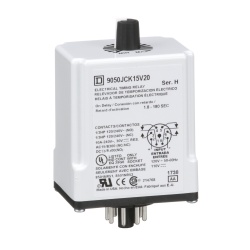
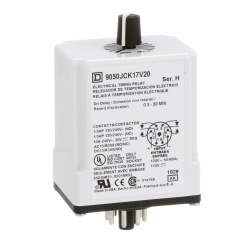
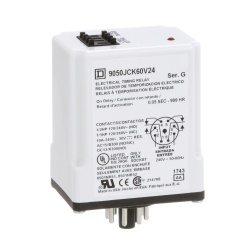
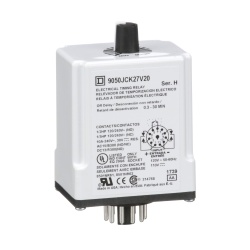
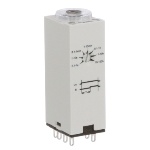
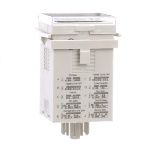
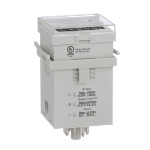
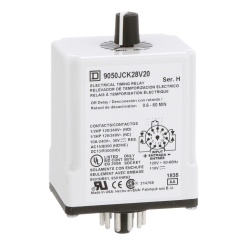
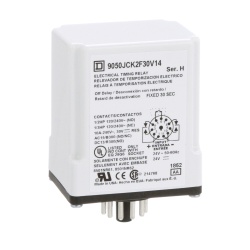
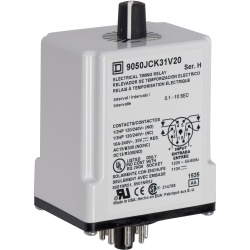
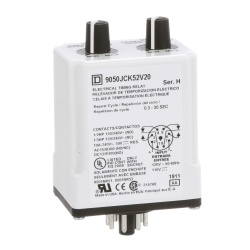
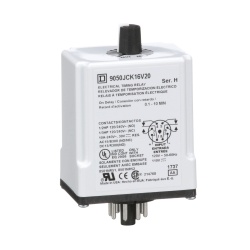
Square D Schneider Electric Time Delay Relays are used to introduce controlled timing into industrial circuits where delayed switching improves sequencing, reduces electrical stress, or enforces process timing. In many control applications, a standard relay changes contact state immediately when a control voltage is applied or removed. Time delay relays add a preset delay before contacts change state, helping coordinate motor starts, staged load activation, timed shutdown, and other functions where immediate switching is not desired.
Common timer functions include on-delay and off-delay operations. With an on-delay timer, timing begins when control voltage is applied; once the set time expires, the output contacts change state and remain in that state until control voltage is removed. If control voltage is removed before timeout, the timing sequence resets. With an off-delay timer, output contacts change state based on a control input and then remain active for a set period after the input is removed; after timeout, contacts return to their normal state. These timing behaviors are frequently used to manage inrush conditions, enforce safe sequencing, and keep auxiliary loads such as cooling fans running after shutdown.
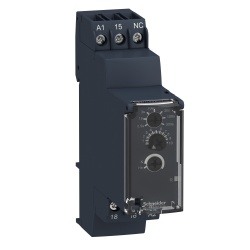
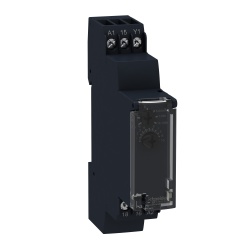
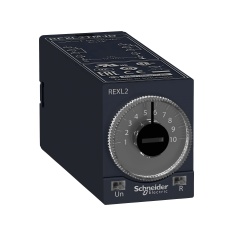
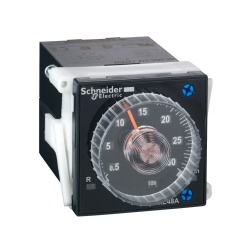
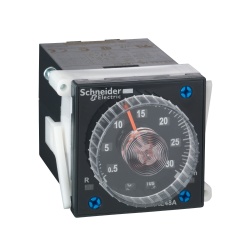
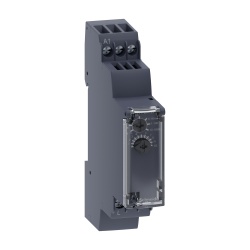
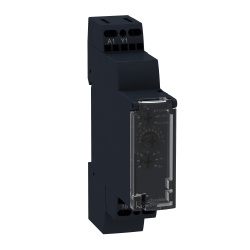
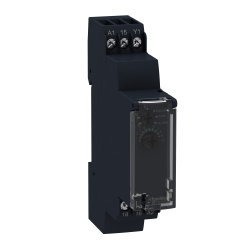
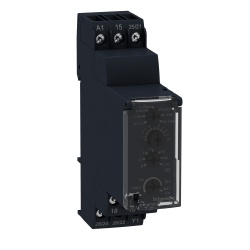
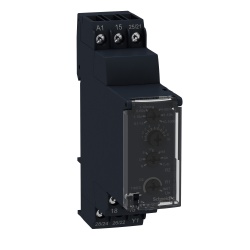
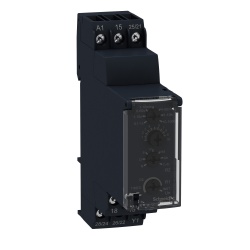
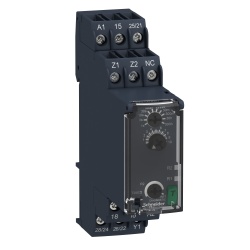
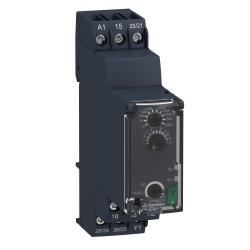
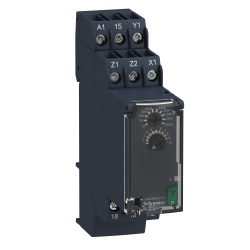
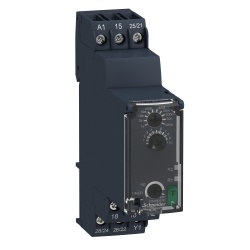
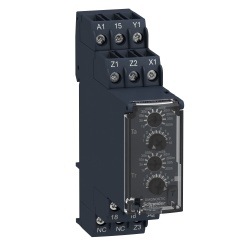
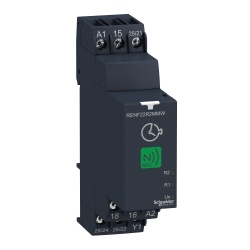
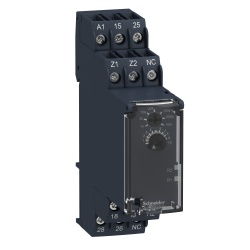
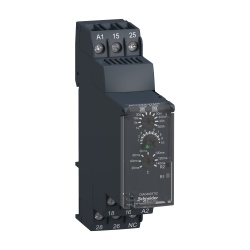
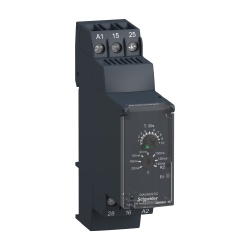
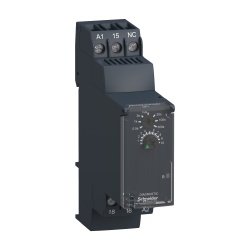
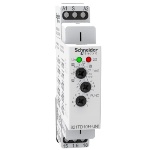
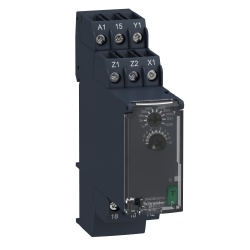
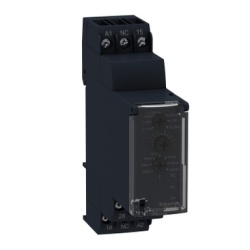
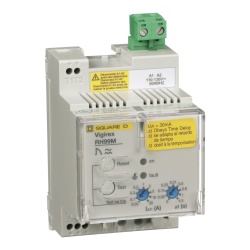
Schneider Electric Harmony timer relays are designed for hard-wired logic systems and are commonly applied to complement PLC-based control by providing dedicated timing functions at the device level. With multiple timing modes, adjustable ranges, and a variety of wiring and mounting options, these timers are used in buildings, machines, HVAC systems, water and wastewater facilities, and general industrial automation where repeatable timing is required.
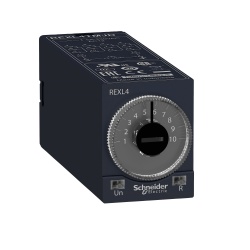
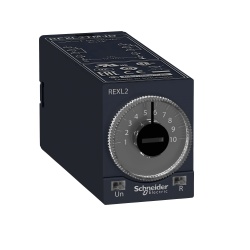
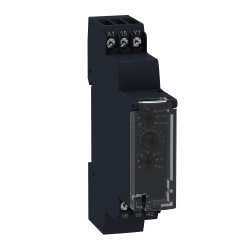




FAQs
Q: What are Square D Schneider Electric time delay relays used for?
They are used to provide time-delayed switching in industrial control circuits, supporting functions such as staggered motor starting, sequential control, timed shutoff, and process timing.
Q: What is an on-delay timer relay?
An on-delay timer begins timing when control voltage is applied. After the preset time expires, the output contacts change state and remain active until control voltage is removed. Removing voltage before timeout resets the timing.
Q: What is an off-delay timer relay?
An off-delay timer allows contacts to change state based on a control input, then begins timing when the control input is removed. The contacts remain active until the preset delay expires, then return to their normal state. Removing supply voltage before timeout resets timing and returns contacts to normal.
Q: Where are Harmony timer relays commonly used?
Harmony timer relays are commonly used in hard-wired automation logic for machines, HVAC equipment, building systems, and water and wastewater facilities where consistent timing is required.
Q: Do time delay relays replace PLC timing functions?
Time delay relays can complement PLC timing by providing dedicated, local timing functions in hard-wired circuits. In many systems, timers are used to simplify wiring or provide timing at the device level without adding PLC programming.
Why Buy Square D Schneider Electric Time Delay Relays from RSP Supply
RSP Supply offers Square D Schneider Electric time delay relays to support dependable timing control in industrial automation and electrical control panels. Our selection includes common timing functions such as on-delay and off-delay with adjustable ranges and mounting options suited for standard panel layouts. Customers rely on RSP Supply for knowledgeable support, dependable sourcing, and timing components that integrate cleanly into sequencing and control designs.