
Schneider Electric Operator Interface
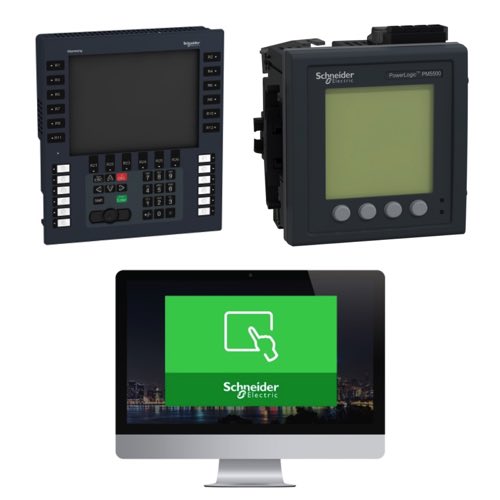
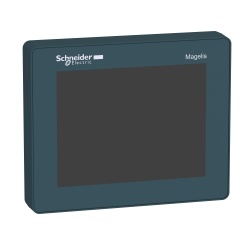
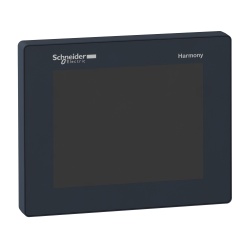
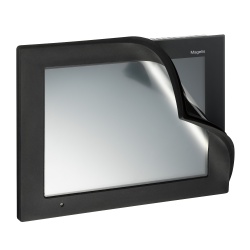
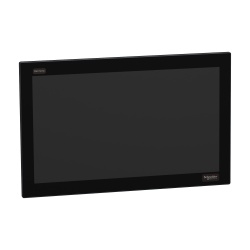
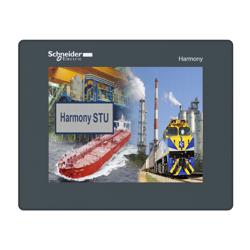
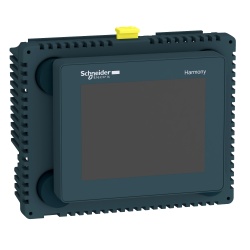
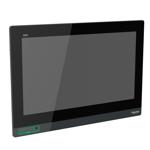
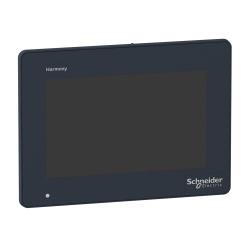
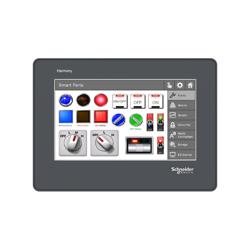
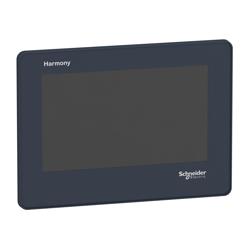
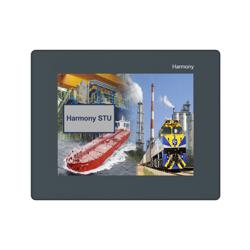
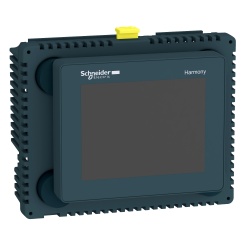
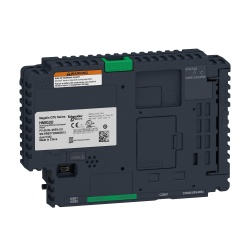
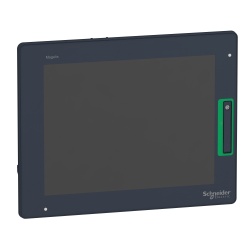
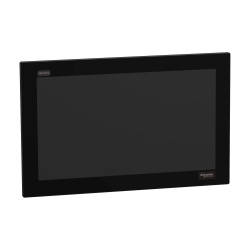
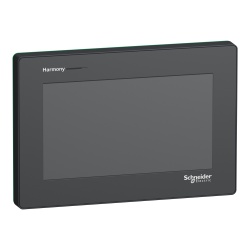
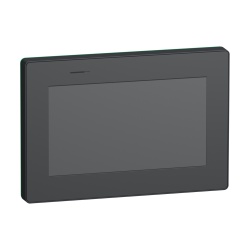
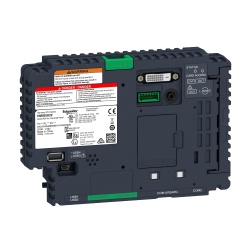
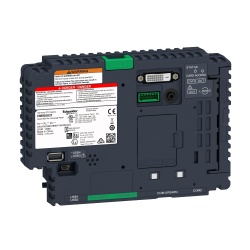
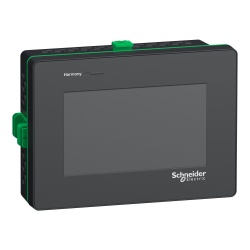
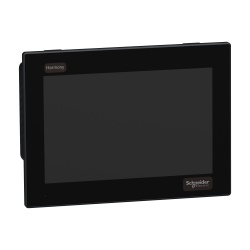
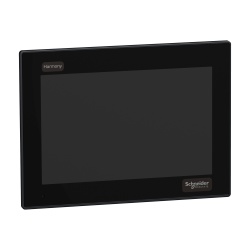
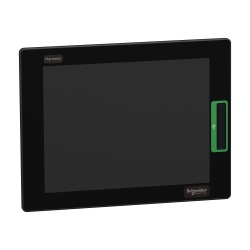
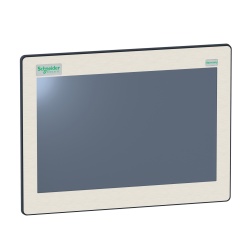
Schneider Electric operator interfaces provide operators with reliable and intuitive access to machine and process information in industrial automation environments. Commonly implemented as HMIs and touchscreen displays, these interfaces present real-time system data that allows operators to monitor conditions, observe operational trends, and respond quickly to alarms or changes. Clear visualization of critical information supports safe operation and improved productivity.
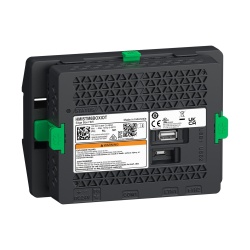
In OEM and industrial applications, Schneider Electric operator interfaces communicate with PLCs, drives, sensors, and other automation components to display system status, trending data, alarms, diagnostics, and setpoints. Information is presented in an easy-to-understand format, enabling operators to make informed decisions and take corrective action efficiently. Integration with Schneider Electric automation platforms simplifies system design, commissioning, and future upgrades.
Designed for long-term industrial use, Schneider Electric operator interfaces are built to perform reliably under continuous operation.


FAQs
Q: What is a Schneider Electric operator interface used for?
A Schneider Electric operator interface is used to monitor, control, and interact with machines and processes by displaying system data and allowing operator input in industrial automation systems.
Q: Is a Schneider Electric operator interface the same as an HMI?
Yes, Schneider Electric operator interfaces function as HMIs, providing human-machine interaction through touchscreen displays and control panels.
Q: Do Schneider Electric operator interfaces connect to PLCs?
Yes, Schneider Electric operator interfaces are commonly connected to PLCs and controllers to display data, send commands, and manage machine operation.
Q: Are Schneider Electric operator interfaces suitable for industrial environments?
Yes, Schneider Electric operator interfaces are designed for industrial use and can withstand vibration, temperature variation, electrical noise, and continuous operation.
Q: Where are Schneider Electric operator interfaces commonly installed?
They are commonly installed on machinery, control panels, OEM equipment, production lines, and industrial automation systems requiring reliable operator interaction.
Why Buy Schneider Electric Operator Interfaces from RSP Supply
RSP Supply offers Schneider Electric operator interface solutions designed for dependable machine control and visualization in industrial automation systems. These HMIs integrate seamlessly with Schneider automation platforms and support efficient system design and expansion. Customers rely on RSP Supply for knowledgeable technical support and access to trusted automation components for modern control system applications.