
Dwyer Level Switches
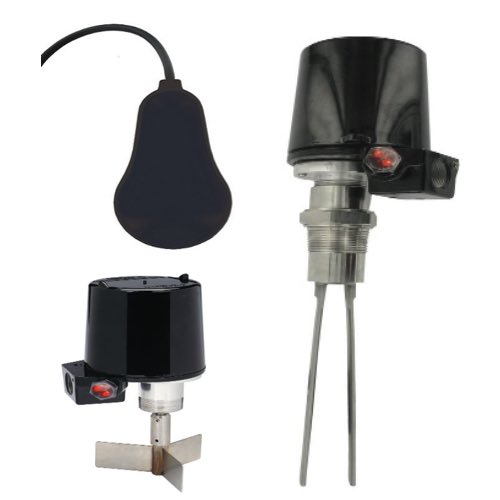
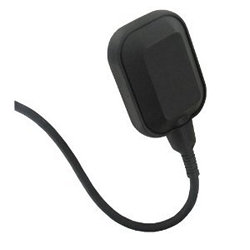
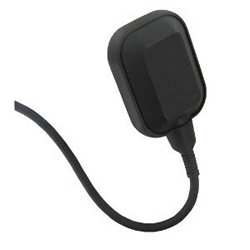
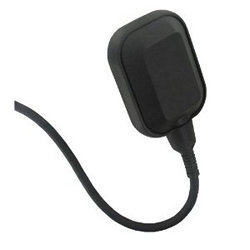
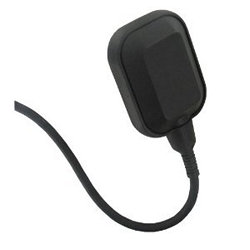
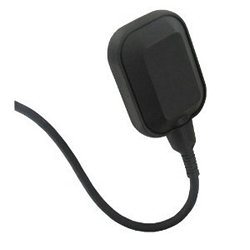
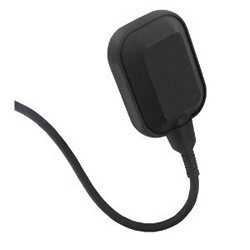
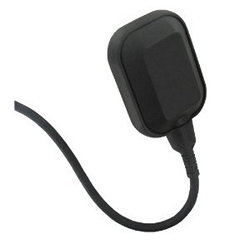
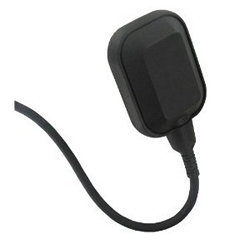
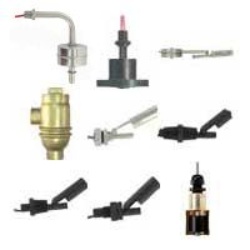
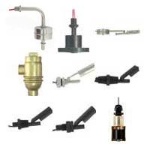
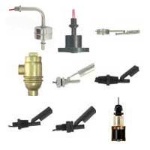
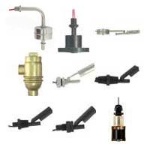
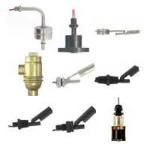
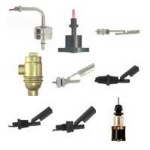
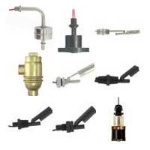
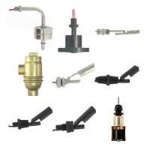
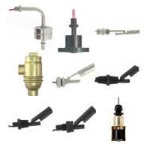
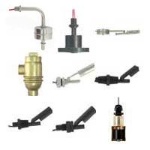
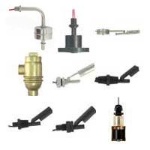
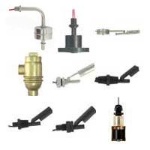
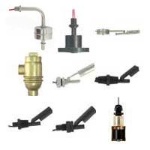
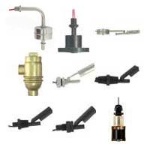
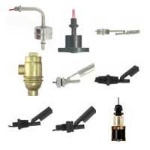
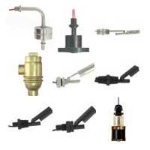
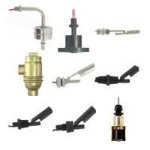
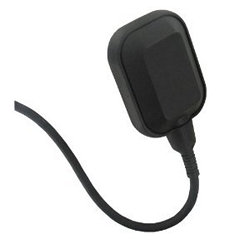
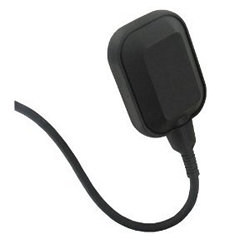
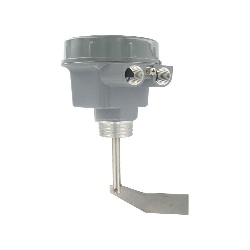
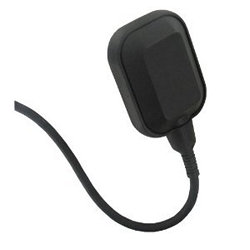
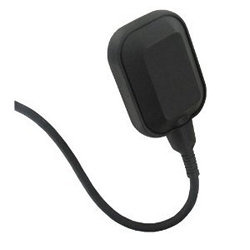
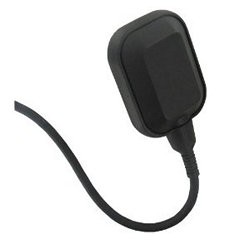
Dwyer level switches are available in float, ultrasonic, capacitance, optical, and solid-state configurations for liquid level monitoring and control in industrial tanks, sumps, process systems, wastewater applications, and commercial fluid-handling equipment.
Dwyer level switches are widely known for providing simple, durable, and reliable level measurements for liquids in industrial systems, process tanks, and sophisticated equipment around the world. There is a good reason why so many professionals and organizations trust the basic level measurement, actuation, and on/off control provided by Dwyer float-style switches; they perform consistently under the conditions they face, including exposure to corrosive materials, vapors, high-pressure air, vibration, and extreme temperature changes.
Dwyer level switches incorporate simple wiring, standard connections, and versatile mounting to accommodate both new and existing installations. They can be wired to integrate directly with pumps, alarms, and basic plumbing systems, or connected to PLCs and building management systems to incorporate level control and protection in fluid-handling systems throughout a facility. Their flexibility and ease of installation make them a dependable choice across a wide range of liquid types, including water, oil, and industrial chemicals.

FAQs
Q: What are Dwyer level switches used for?
Dwyer level switches monitor liquid levels in tanks, sumps, and process systems to control pumps, trigger alarms, and support automated fluid-handling equipment.
Q: What types of level switches does Dwyer offer?
Dwyer manufactures float, ultrasonic, capacitance, optical, and solid-state level switches to accommodate a wide range of liquids and operating environments.
Q: Can Dwyer level switches be used with chemicals or corrosive liquids?
Yes. Certain Dwyer level switch models are designed with materials suitable for chemical compatibility and are commonly used in industrial and wastewater applications.
Q: Are Dwyer level switches compatible with PLCs and control systems?
Yes. Dwyer level switches provide standard electrical outputs that integrate easily with PLCs, pump relays, control panels, and building automation systems.
Q: Can Dwyer level switches be used in clean-water applications?
Yes. They are frequently used in potable water systems, HVAC tanks, and general-purpose liquid level monitoring applications.
Why Buy Dwyer Level Switches from RSP Supply
RSP Supply offers a dependable selection of Dwyer level switches designed for accurate and reliable liquid-level control. Our catalog includes multiple sensing technologies and configurations to support industrial, wastewater, and commercial applications. Customers rely on RSP Supply for trusted manufacturers, clear technical specifications, and level monitoring solutions built for professional system operation.