
Omega Flow Meters
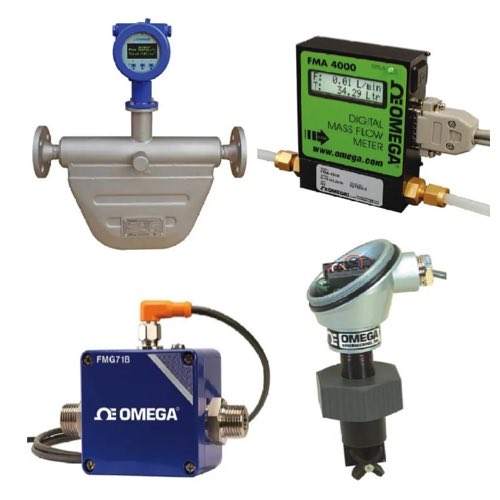
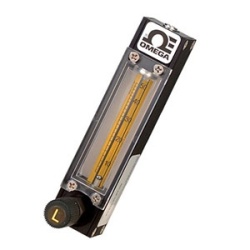
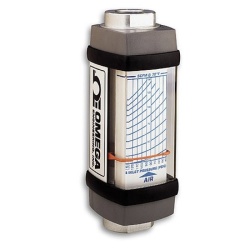
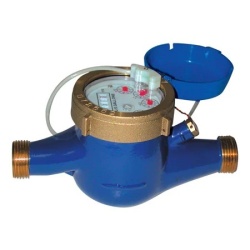
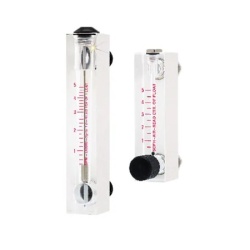
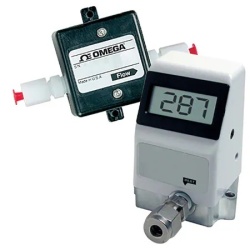
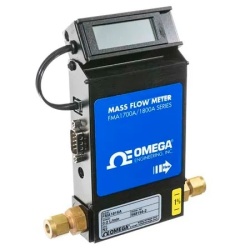
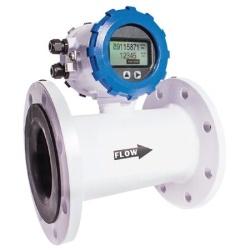
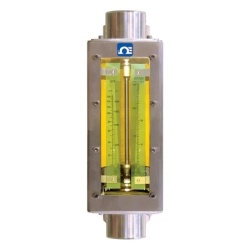
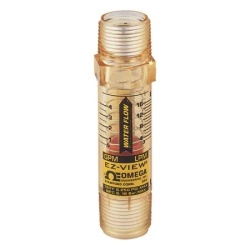
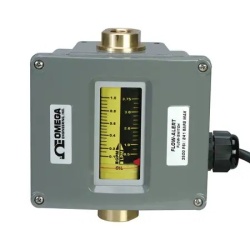
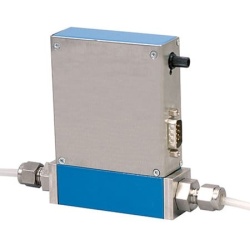
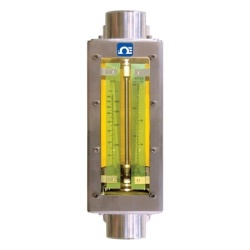
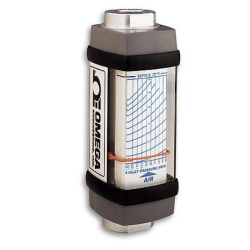
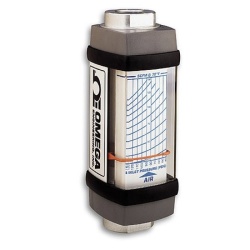
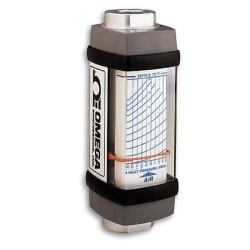
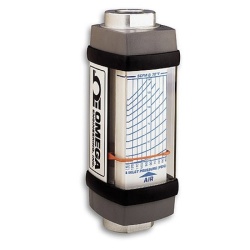
Flow meters are a very diverse and accurate family of instruments that Omega has made available to industrial, commercial, and laboratory environments. They provide reliable options for monitoring various working fluids—liquids, gases, and steam. Omega has placed a clear focus on accuracy and versatility, two features that make their products well-suited for process control, research, and a variety of manual and automated operations where dependable flow data is really critical.
One of the key advantages of Omega flow meters is the diversity of available sensing technologies. Whether you are looking for a basic mechanical flow meter or something more sophisticated, such as an ultrasonic or a Coriolis-style instrument, Omega offers robust meters capable of handling an impressive range of working conditions, pressures and temperatures, for example, hat many other manufacturers' products can't work under.






FAQs
Q: What are Omega flow meters used for?
Omega flow meters are used to measure the flow of liquids, gases, and steam in industrial, commercial, laboratory, and process control applications.
Q: What types of flow meters does Omega offer?
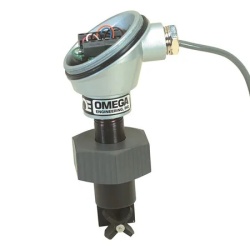
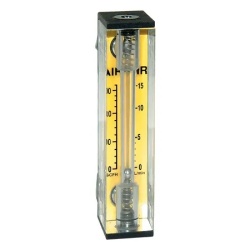
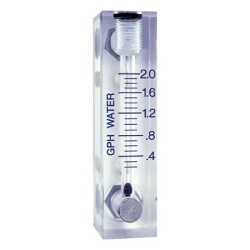
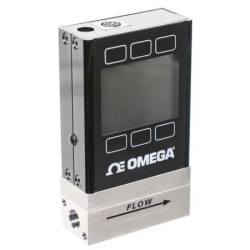
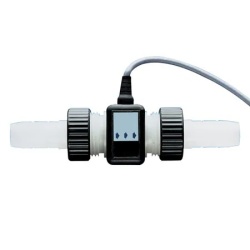
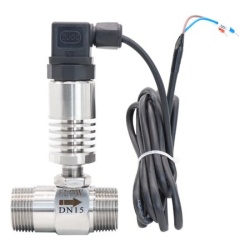
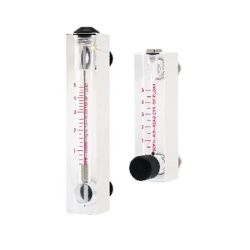
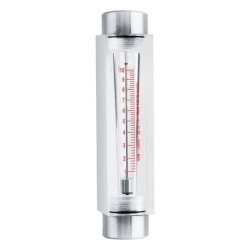
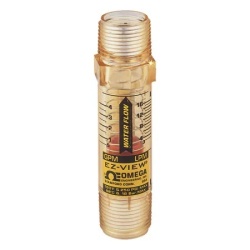
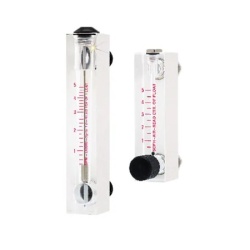
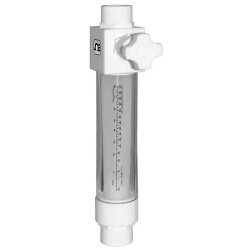
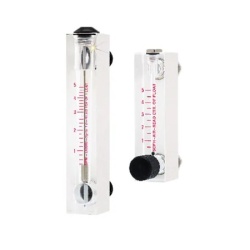
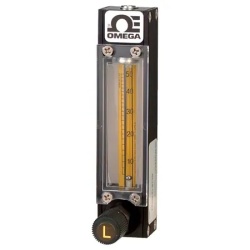
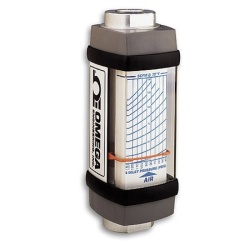
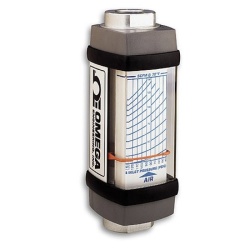
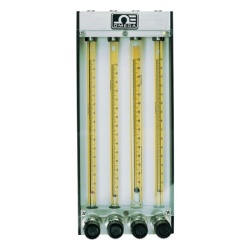
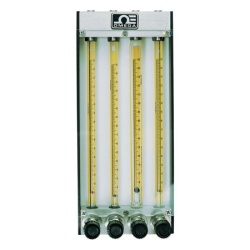
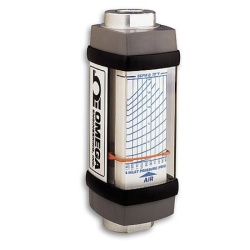
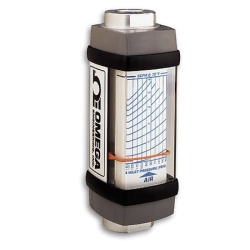
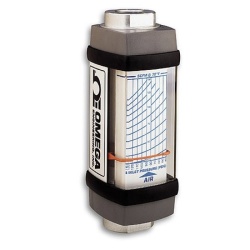
Omega offers turbine, magnetic, ultrasonic, vortex, Coriolis, rotameter, positive displacement, and thermal mass flow meters.
Q: Can Omega flow meters measure both liquids and gases?
Yes, Omega provides flow meters specifically designed for liquids, gases, compressed air, industrial gases, chemicals, and steam.
Q: Do Omega flow meters support digital outputs?
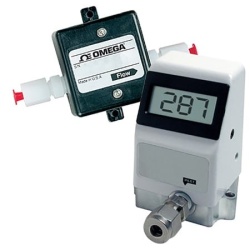
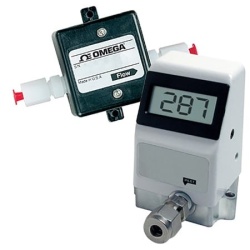
Many Omega flow meters offer outputs such as 4–20 mA, pulse, Modbus, and other digital communication options for integration with automation systems.
Q: Are Omega flow meters suitable for viscous or chemical fluids?
Yes, Omega offers specialized flow meters designed to handle viscous fluids, corrosive chemicals, and demanding process conditions.
Why Buy Omega Flow Meters from RSP Supply
RSP Supply offers a broad selection of Omega flow meters to support accurate flow measurement across industrial and laboratory applications. Customers rely on RSP Supply for access to trusted instrumentation brands, detailed technical product information, and knowledgeable support to help ensure proper meter selection, integration, and long-term measurement reliability.