
Temperature Sensors & Transmitters
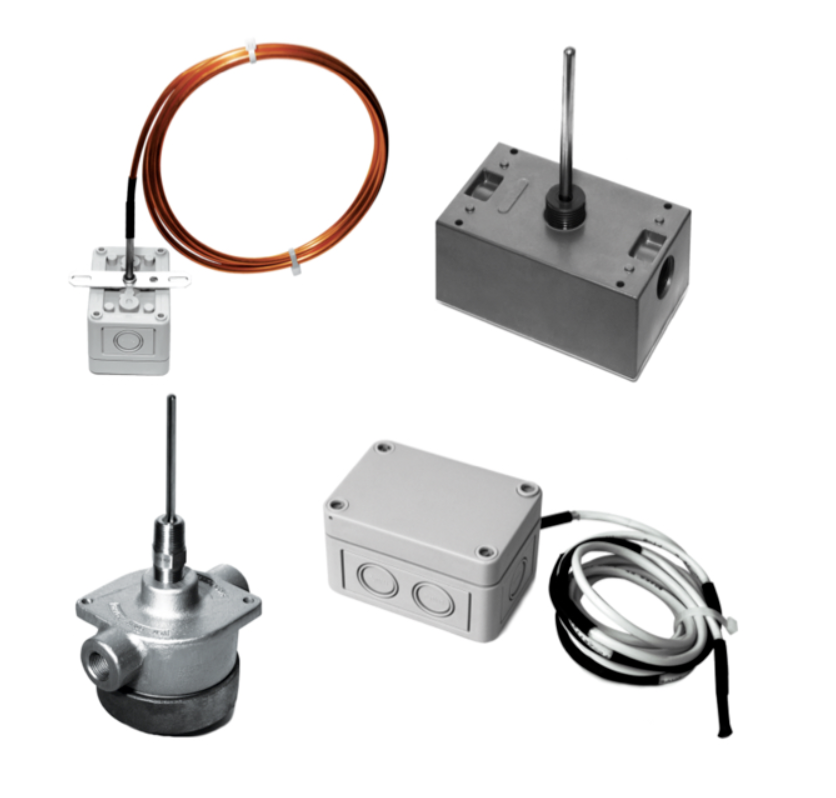
Temperature sensors and transmitters are essential for accurate temperature monitoring, measurement, and control in industrial environments. These devices work together to detect temperature changes and convert them into electrical signals that can be displayed, recorded, or used for automated control. They are widely used in applications where temperature directly affects system performance, safety, and product quality.
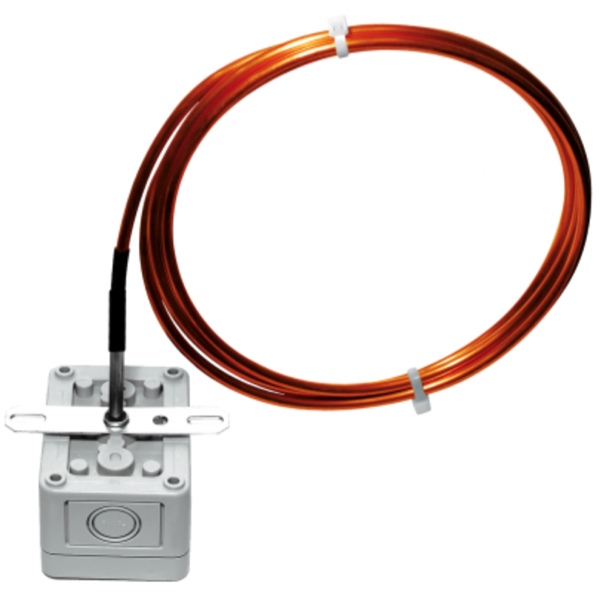
A temperature sensor serves as the sensing element, detecting temperature through physical changes such as resistance or voltage. Temperature transmitters process the sensor signal and convert it into standardized outputs such as 4–20 mA, 0–10 V, or digital communication formats. This allows temperature data to be reliably transmitted over long distances and integrated into PLCs, SCADA systems, and industrial control platforms.
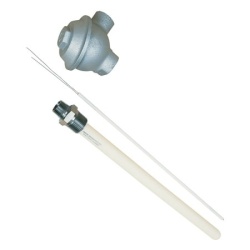
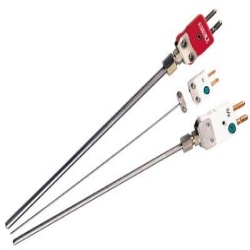
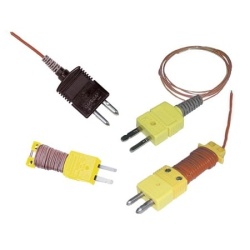
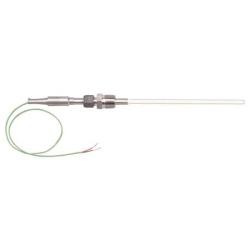
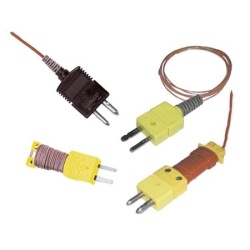
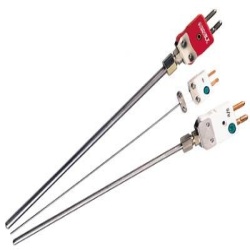
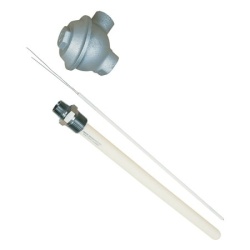
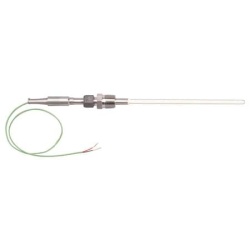
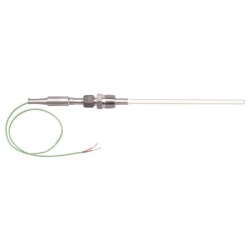
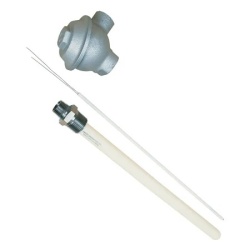
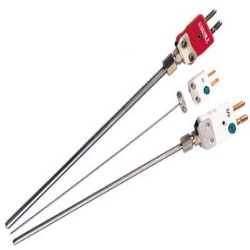
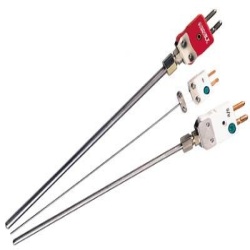
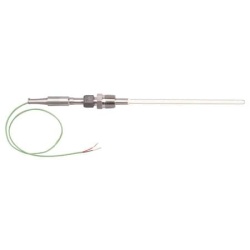
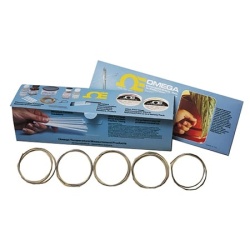
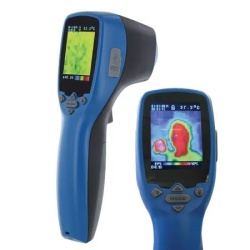
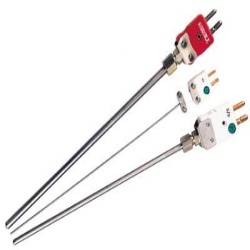
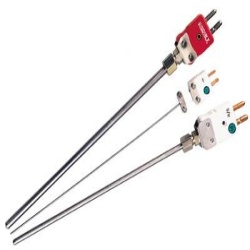
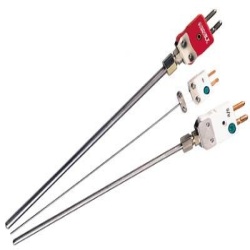
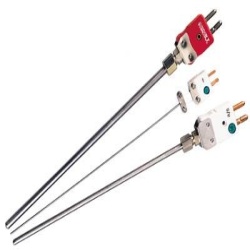
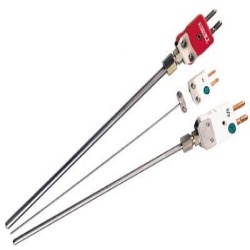
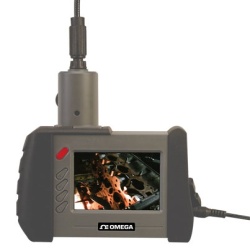
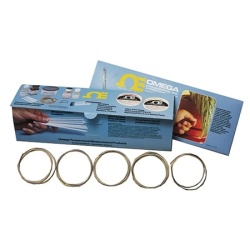
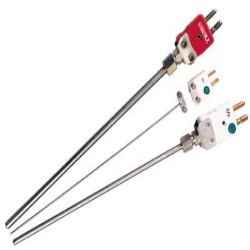
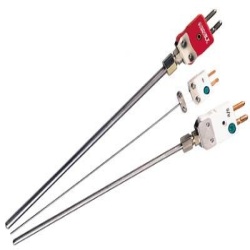
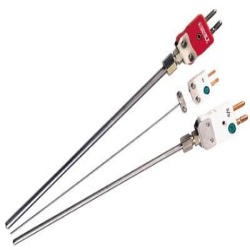
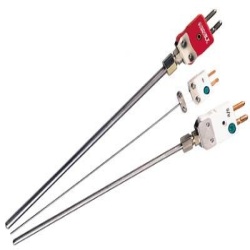
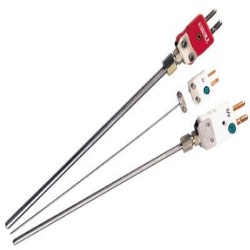
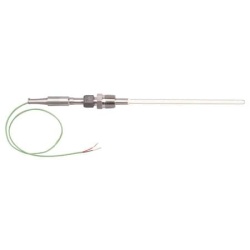
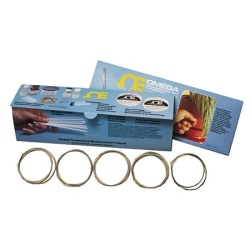
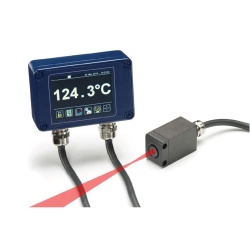
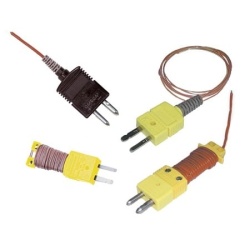
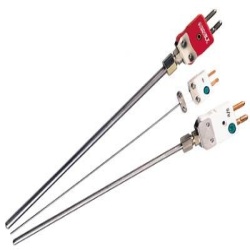
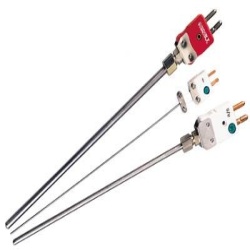
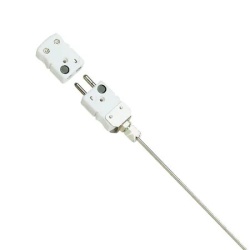
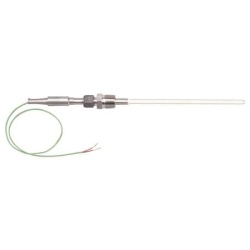
RSP Supply offers temperature sensors and transmitters in a variety of technologies and configurations to match different operating conditions. Options range from highly accurate RTDs to rugged thermocouples designed for extreme temperatures, as well as non-contact and digital sensing solutions. These devices provide dependable performance across a wide range of industries and environmental conditions.









FAQs
Q: What is the difference between a temperature sensor and a temperature transmitter?
A temperature sensor detects temperature and converts it into a raw electrical signal, such as resistance or voltage. A temperature transmitter conditions the signal and converts it into a standardized output, enabling reliable communication with control systems over long distances.
Q: What applications commonly use temperature sensors and transmitters?
They are commonly used in industrial manufacturing, HVAC systems, water and wastewater treatment, food and beverage processing, pharmaceuticals, chemical processing, oil and gas, and power generation. These devices support process control, safety, energy efficiency, and regulatory compliance.
Q: What types of temperature sensors are available?
Common temperature sensor types include resistance temperature detectors (RTDs), thermocouples, thermistors, infrared temperature sensors, and digital temperature sensors. Each type is selected based on temperature range, accuracy requirements, response time, and environmental conditions.
Q: How accurate are temperature sensors and transmitters?
Accuracy varies by technology and model, with many industrial devices offering accuracy from ±0.1°C to ±1°C or better. Installation practices, wiring quality, ambient conditions, and calibration frequency can influence long-term accuracy.
Q: Do temperature sensors and transmitters require calibration and maintenance?
Yes, periodic calibration and inspection are recommended to maintain accuracy and reliable performance. Calibration intervals depend on application criticality and operating conditions, and routine maintenance helps identify sensor drift or installation issues early.
Why Buy Temperature Sensors and Transmitters from RSP Supply
RSP Supply provides a wide selection of temperature sensors and transmitters designed for reliable performance in industrial applications. Our products support accurate measurement, consistent signal output, and seamless integration with automation and control systems. Customers rely on RSP Supply for technical expertise, dependable components, and solutions that support safe, efficient, and well-controlled temperature monitoring.