

Networking Thermal Management
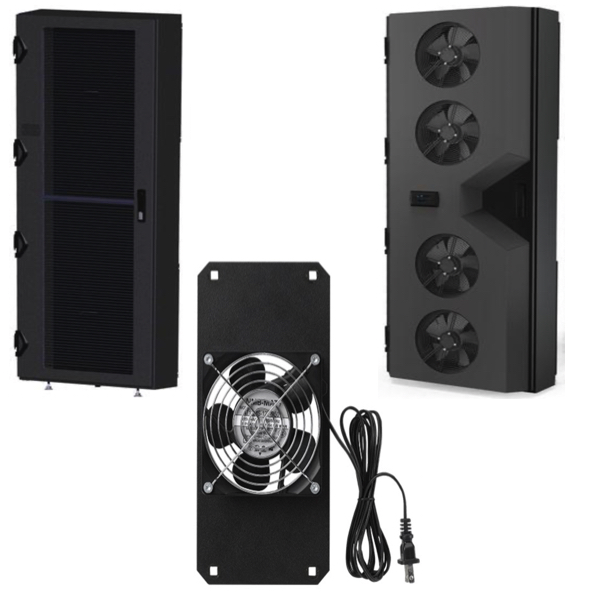
Networking thermal management solutions are critical for maintaining system reliability and operational efficiency in data centers, network rooms, and industrial environments. As networking and computing equipment continues to increase in power density, effective heat dissipation is required to prevent overheating, performance loss, and equipment failure. Thermal management focuses on maintaining stable operating temperatures rather than simply removing excess heat.
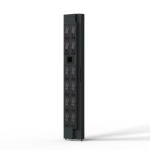
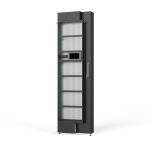
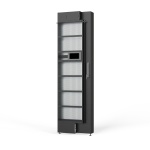
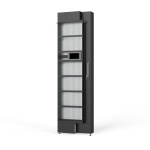
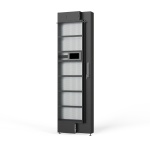
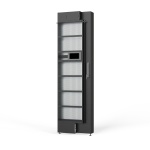
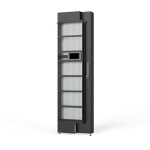
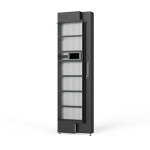
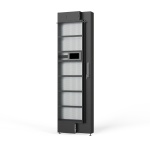
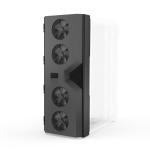
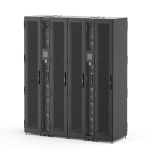
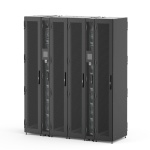
These solutions include both active and passive cooling strategies. Active cooling systems such as enclosure fans, air conditioners, rack chillers, and liquid cooling components actively move or absorb heat from networking equipment. Rack chillers and liquid cooling systems provide targeted, high-efficiency cooling for high-density racks by removing heat directly at the source. Coolant Distribution Units (CDUs) regulate coolant flow, temperature, and pressure, ensuring consistent and controlled delivery of cooling liquid throughout the system.
Passive thermal management products complement active cooling by improving airflow and heat transfer without powered components. These include heat sinks, heat pipes, passive air vents, and thermal interface materials. Condensate management systems are also an important part of liquid and air-based cooling installations, safely collecting and removing moisture generated during the cooling process to prevent corrosion, electrical hazards, and equipment damage. Together, these solutions help maintain optimal temperature ranges and support long-term equipment performance.




FAQs
Q: Why is thermal management important for networking equipment?
Thermal management prevents overheating and temperature instability, which can lead to reduced performance, hardware failure, and shortened equipment lifespan.
Q: What is the difference between active and passive cooling?
Active cooling uses powered devices such as fans or air conditioners to remove heat, while passive cooling relies on natural airflow, heat sinks, and conductive materials to dissipate heat without electrical power.
Q: How does liquid cooling improve thermal performance?
Liquid cooling transfers heat more efficiently than air by using liquid to absorb and carry heat away from components, making it effective for high-density or high-heat applications.
Q: What role do heat sinks and heat pipes play in thermal management?
Heat sinks increase surface area to dissipate heat, while heat pipes transfer heat through phase change processes, allowing efficient movement of heat away from critical components.
Q: Can thermal management systems also prevent equipment from getting too cold?
Yes, proper thermal management maintains equipment within a specific temperature range, which may include heaters or controlled airflow to prevent issues caused by excessively low temperatures.
Why Buy Networking Thermal Management Solutions from RSP Supply
RSP Supply offers a wide selection of networking thermal management products designed to support reliable temperature control in data centers, control cabinets, and industrial networking environments. Our solutions include both active and passive cooling components compatible with a variety of enclosure types and system requirements. Customers rely on RSP Supply for dependable product selection and practical thermal management solutions that support long-term system performance.