
Towers
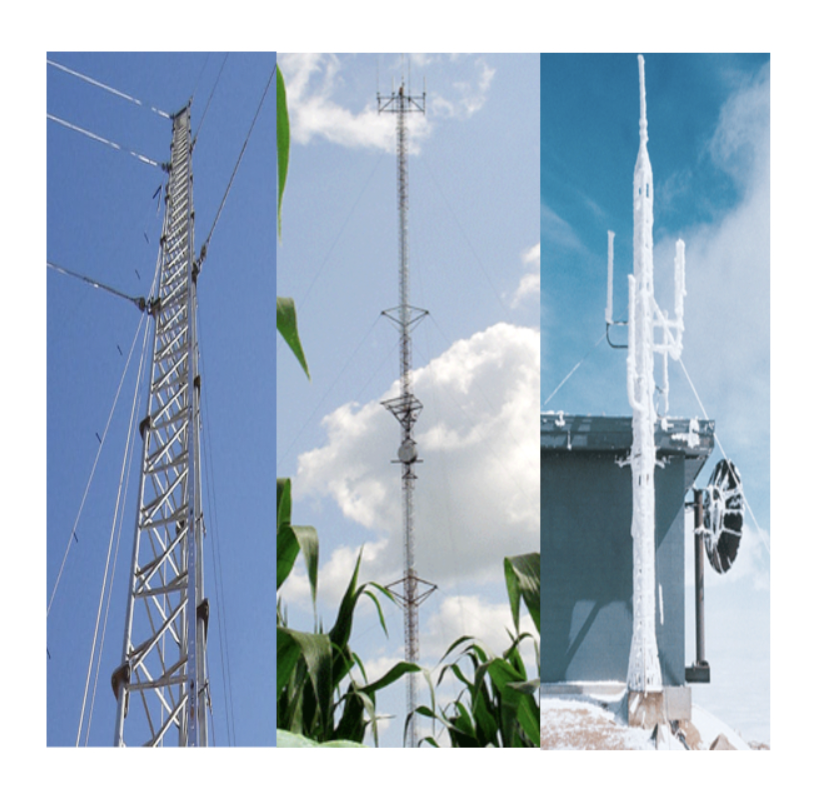
Towers are critical infrastructure components used to elevate and support antennas, communication equipment, sensors, lighting, and monitoring systems across industrial, commercial, and public-sector applications. In telecommunications and wireless communication systems, towers, poles, and mounting structures provide the height and stability required for reliable signal transmission and system performance. Proper tower selection depends on site conditions, structural requirements, and long-term expansion needs.
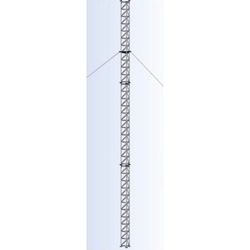
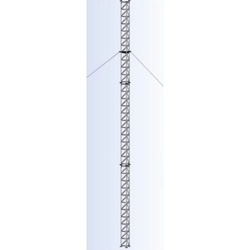
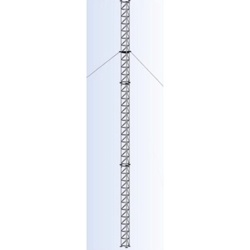
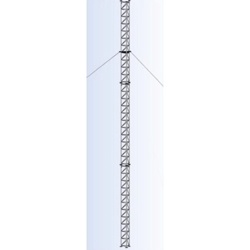
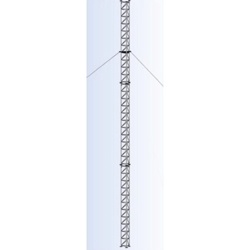
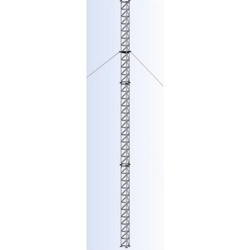
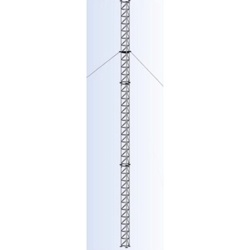
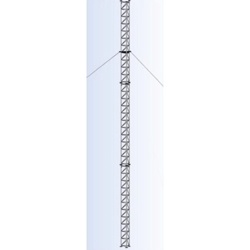
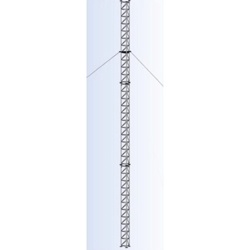
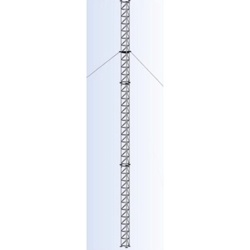
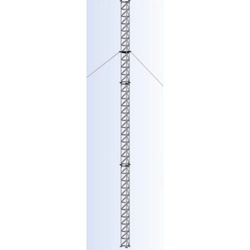
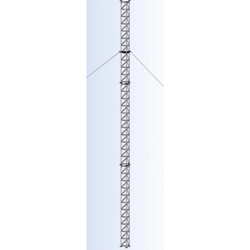
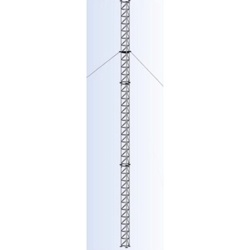
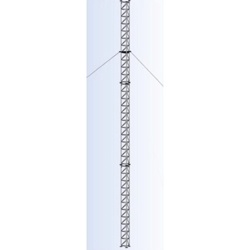
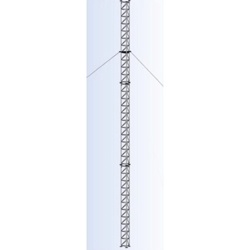
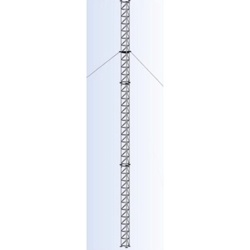
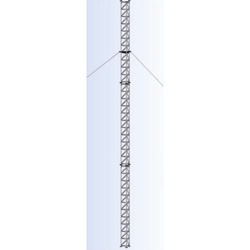
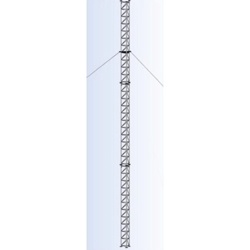
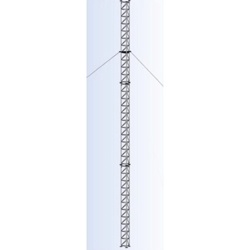
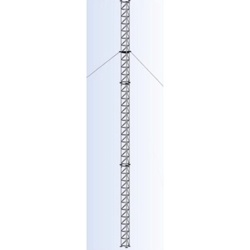
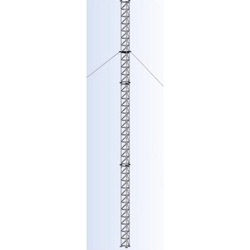
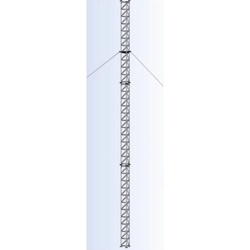
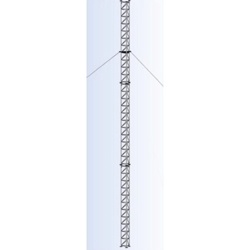
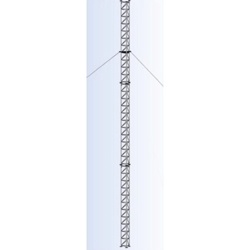
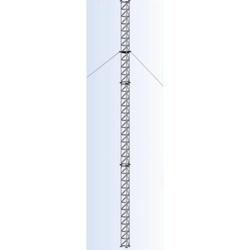
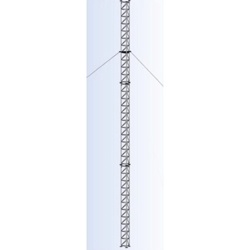
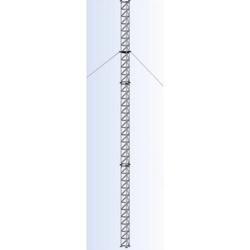
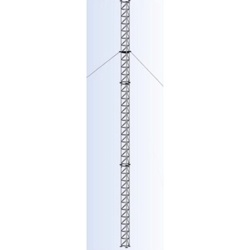
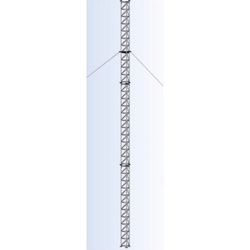
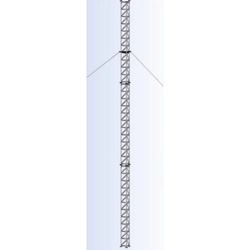
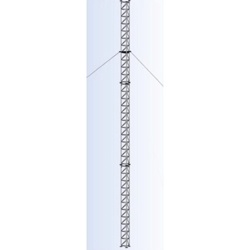
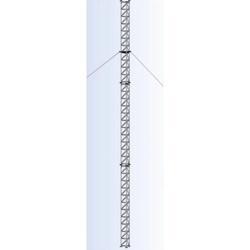
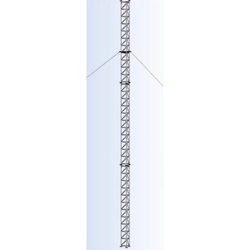
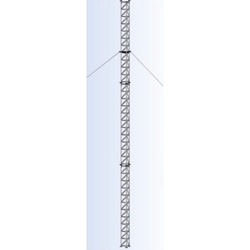
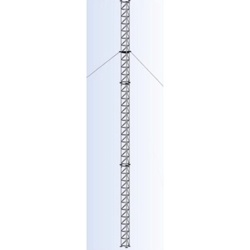
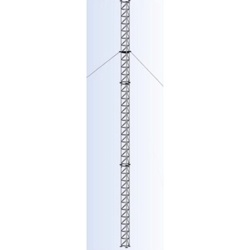
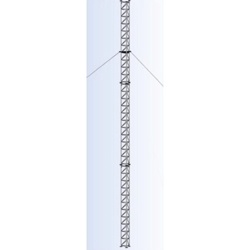
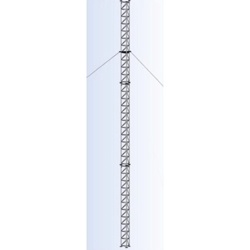
There are two primary categories of towers used in most installations: self-supporting and guyed towers. Self-supporting towers are freestanding structures that do not require external supports and are commonly constructed as three- or four-sided steel lattice pyramids, box-style frames, or tubular monopoles. Their compact footprint makes them suitable for locations with limited land availability. Guyed towers are slender steel structures stabilized by braided or stranded high-strength steel guy wires anchored to the ground. While they use less structural steel, guyed towers require significantly more land area to accommodate anchor placement.
Structural load considerations are essential when specifying tower systems. Wind load, ice load, and antenna loading all contribute to the forces acting on a tower and its foundation. Soil type must be suitable for supporting foundations or guy anchors, and tower designs should account for both current and future equipment additions. All metallic towers must also comply with National Electrical Code (NEC) grounding requirements to ensure electrical safety and long-term system reliability.


FAQs
Q: What are towers used for?
Towers are used to elevate and support equipment such as antennas, communication devices, lighting, sensors, and monitoring systems in industrial, commercial, and infrastructure applications.
Q: What types of towers are available?
Common tower types include self-supporting towers, guyed towers, monopole towers, and modular tower systems, each designed for specific height, load, and site requirements.
Q: Are towers designed for outdoor use?
Yes. Towers are typically engineered for outdoor environments and are built to withstand wind, weather exposure, corrosion, and temperature variations.
Q: What industries commonly use towers?
Towers are widely used in telecommunications, utilities, transportation infrastructure, industrial facilities, public safety systems, and energy applications.
Q: Can towers support future expansion?
Many tower designs allow for additional equipment or height increases, provided structural load limits and engineering specifications are followed.
Why Buy Towers from RSP Supply
RSP Supply offers a comprehensive selection of industrial, communication, and infrastructure tower solutions designed to meet demanding structural and environmental requirements. Our tower products support a wide range of applications while aligning with recognized engineering and electrical standards. Customers rely on RSP Supply for consistent quality, technical reliability, and solutions built for long-term performance.