

IVC Industrial Security Cameras
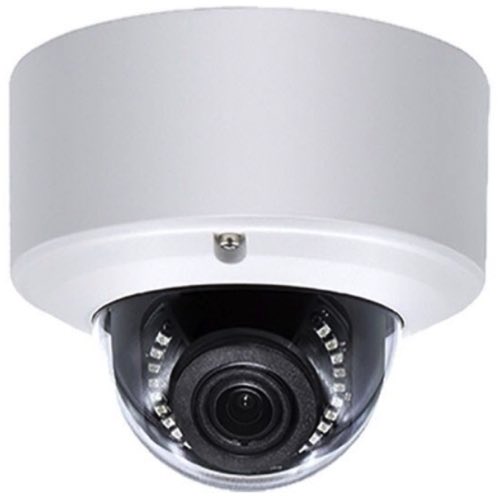
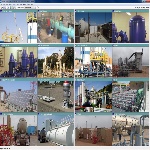
IVC industrial security cameras are designed for process monitoring, personnel safety, and security coverage in demanding industrial environments. These cameras are commonly installed in facilities where continuous visibility is required and where vibration, temperature extremes, moisture, dust, and corrosive atmospheres can degrade standard commercial equipment. Typical applications include monitoring critical equipment, verifying safe operating conditions, and supporting documentation needs in regulated environments.
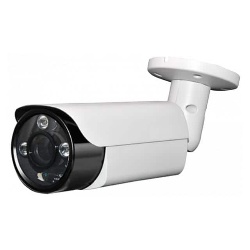
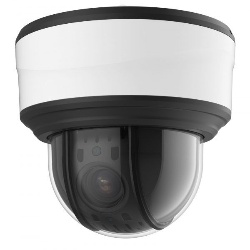
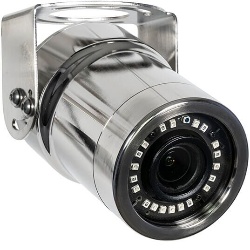
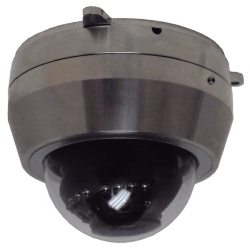
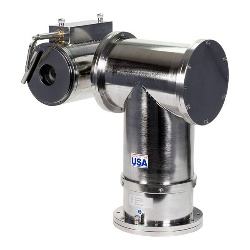
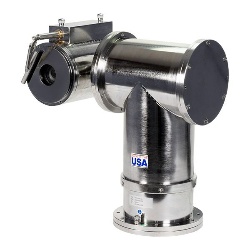
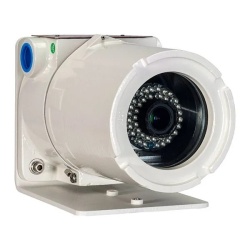
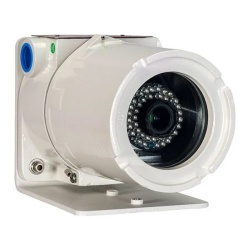
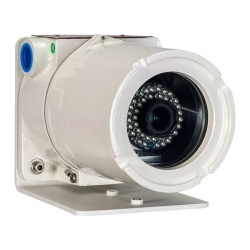
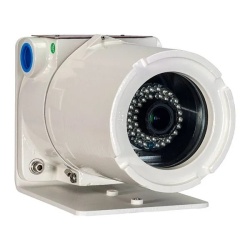
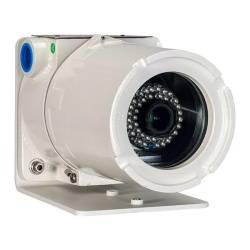
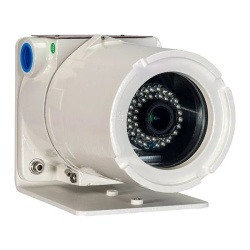
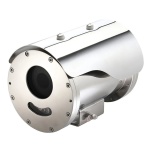
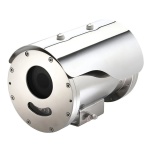
IVC offers multiple industrial camera types to match facility requirements, including fixed cameras, pan-tilt-zoom (PTZ) cameras for wide-area coverage, thermal cameras for detecting heat signatures and abnormal conditions, and explosion-proof cameras for hazardous areas. Many IVC camera designs are built for continuous operation and are available with hazardous-location ratings such as Class I, Division 1 and Class I, Division 2 for use in environments where flammable gases or vapors may be present. Rugged housings are often stainless steel or anodized aluminum, supporting long service life in harsh installations.
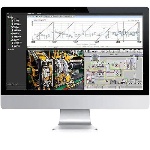
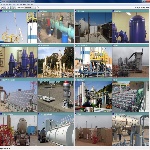
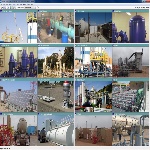
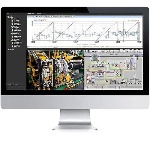
Many IVC industrial cameras operate over IP networks and support common deployment features such as power-over-Ethernet (PoE) and ONVIF compatibility. This allows integration with video management systems, control rooms, and existing security platforms, and can support remote viewing and centralized recording. Flexible mounting options, including wall, ceiling, pole, and machine-mount configurations, make it easier to deploy cameras across indoor and outdoor industrial sites.
FAQs
Q: What makes IVC industrial security cameras different from standard security cameras?
IVC industrial security cameras are built for harsh and mission-critical environments, with rugged metal housings, extended temperature ratings, vibration resistance, and industrial or hazardous-location certifications intended for continuous operation.
Q: Are IVC industrial security cameras suitable for hazardous or explosive locations?
Yes. Many IVC cameras are available with hazardous-location ratings such as Class I, Division 1 and Division 2 and are used in applications such as oil and gas, refineries, and other environments where explosive atmospheres may be present.
Q: Can IVC industrial security cameras integrate with existing security or control systems?
Yes. Many IVC cameras support IP networking, ONVIF compatibility, and integration with common video management and monitoring platforms used in industrial environments.
Q: Do IVC industrial security cameras support outdoor and extreme temperature installations?
Yes. IVC cameras are designed for indoor and outdoor industrial use, with weather-sealed enclosures and wide operating temperature ranges suited for extreme heat, cold, moisture, dust, and corrosive conditions.
Q: What industries commonly use IVC industrial security cameras?
IVC industrial cameras are commonly used in manufacturing, oil and gas, utilities, power generation, mining, water and wastewater, transportation infrastructure, and other critical industrial environments.
Why Buy IVC Industrial Security Cameras | Rugged & Hazardous-Rated Video Solutions from RSP Supply
RSP Supply supports industrial security and operational monitoring needs with IVC industrial camera solutions designed for harsh and hazardous environments. Our selection includes fixed, PTZ, thermal, and explosion-proof camera options used in critical infrastructure and industrial facilities where reliable 24/7 video coverage is required. Customers rely on RSP Supply for practical selection support to help match camera type, hazardous-location rating, enclosure material, mounting method, and network requirements to the site conditions. This helps ensure dependable performance, consistent monitoring coverage, and integration with existing security and control system architectures.