
nVent Hoffman Modular Enclosures
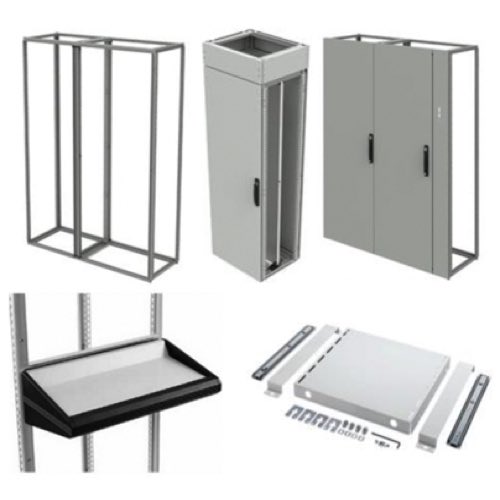
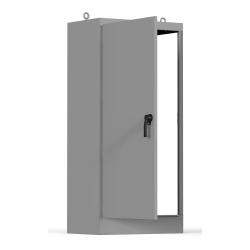
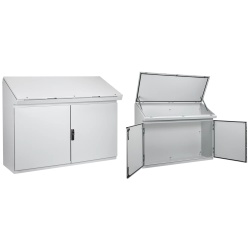
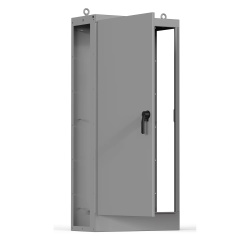
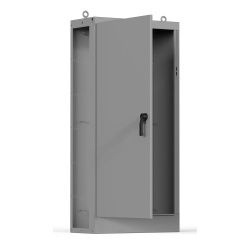
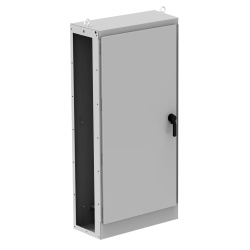
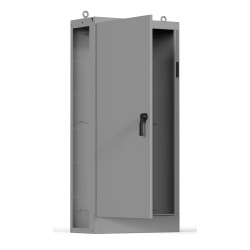
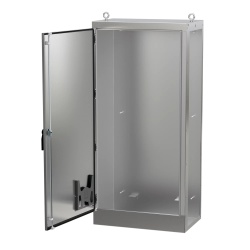
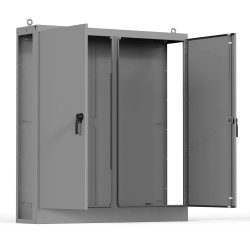
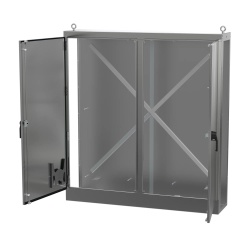
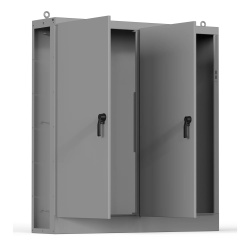
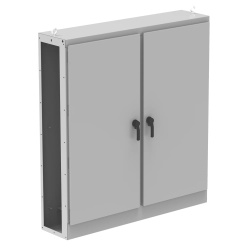
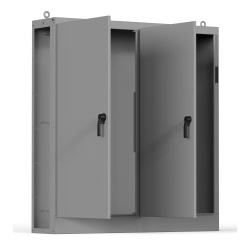
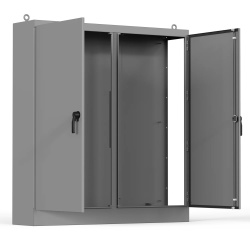
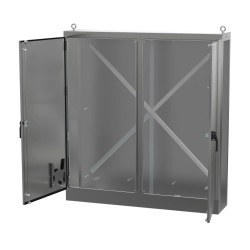
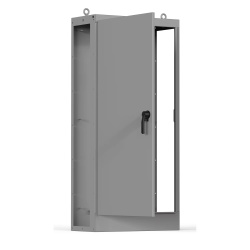
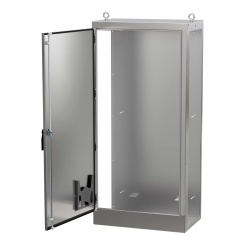
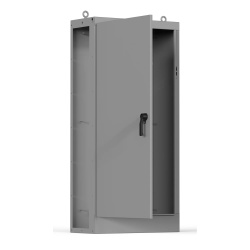
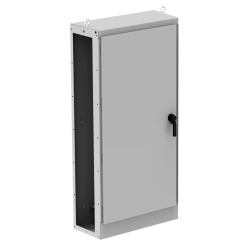
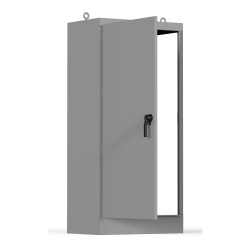
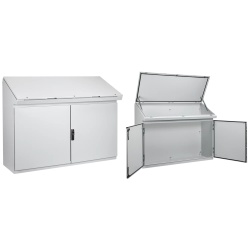
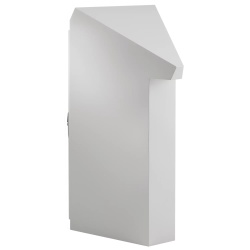
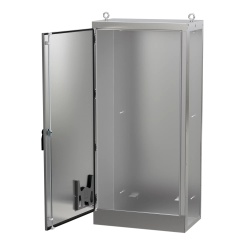
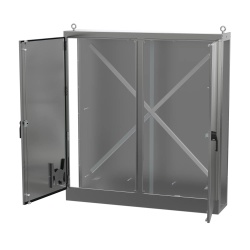
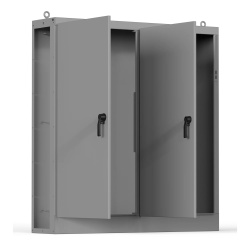
nVent Hoffman modular enclosures are engineered to deliver maximum flexibility, strength, and scalability for complex industrial control and automation systems. These modular cabinet systems are designed to support a wide range of applications across industries such as power generation, water and wastewater, manufacturing, semiconductor processing, and critical infrastructure.
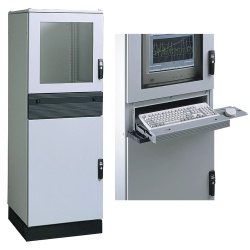
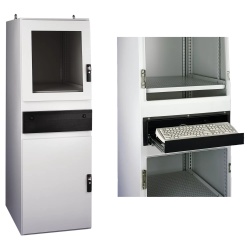
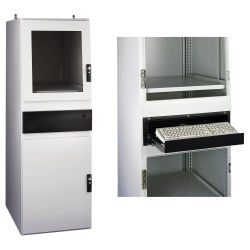
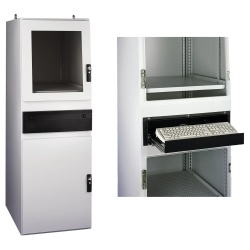
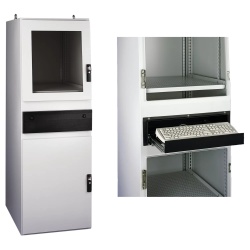
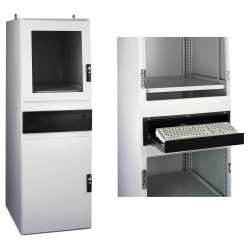
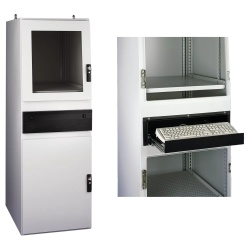
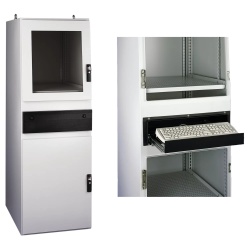
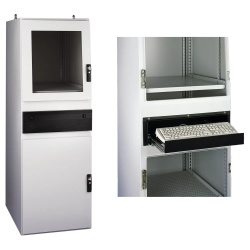
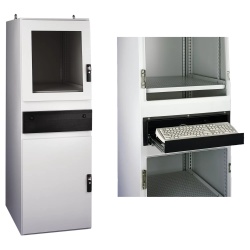
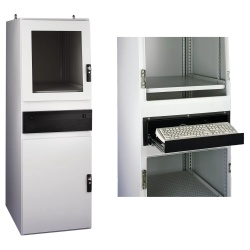
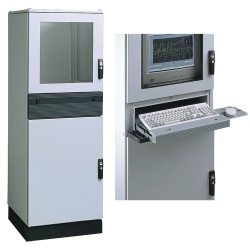
One of the most recognized modular platforms is the nVent Hoffman ProLine™ G2 series. Featuring a frameless modular design, ProLine G2 enclosures are optimized for high-performance applications that require efficient thermal management, advanced cable routing, and dense component layouts. The modular frame system supports integration of external operator interfaces, such as pushbutton enclosures and HMIs, while maintaining structural integrity and accessibility.
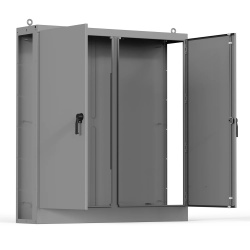
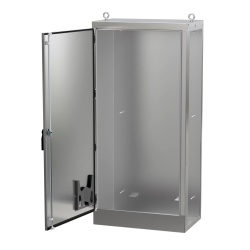
nVent Hoffman modular enclosures are available in a variety of materials, sizes, and NEMA ratings to suit indoor, outdoor, and harsh industrial environments. A broad range of accessories, including adjustable mounting panels, DIN rails, subpanels, frame systems, and thermal management components, allows engineers and panel builders to create highly customized solutions that meet both current requirements and future expansion plans.




FAQs
Q: Are nVent Hoffman modular enclosures suitable for harsh industrial environments?
Yes. They are designed to provide reliable protection and performance in demanding industrial conditions, including exposure to dust, moisture, and temperature extremes.
Q: Do nVent Hoffman modular enclosures support seismic and thermal management applications?
Yes. These enclosures can accommodate seismic requirements and are designed to integrate with power distribution and thermal management solutions.
Q: What internal mounting options are available?
Available options include adjustable panels, DIN rails, subpanels, and modular frame systems for flexible equipment integration.
Q: Are nVent Hoffman modular enclosures designed for high-load industrial applications?
Yes. They are engineered for commercial-grade construction and can handle advanced electrical and mechanical loads.
Q: Are wall-mount junction boxes available with continuous hinges?
Yes. nVent Hoffman offers wall-mount junction boxes with continuous hinges for improved durability and door alignment.
Why Buy nVent Hoffman Modular Enclosures from RSP Supply
RSP Supply offers a comprehensive selection of nVent Hoffman modular enclosures designed for scalable industrial control and automation systems. Customers rely on RSP Supply for knowledgeable technical support and dependable sourcing of modular enclosure solutions that provide flexibility, durability, and long-term reliability for demanding industrial applications.