

Freewave Whip Antennas
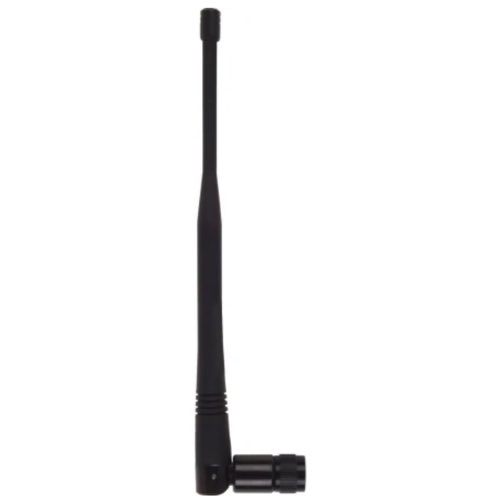
FreeWave's whip antennas are ideal for omnidirectional, wireless communication, the kind typically found in industrial, remote monitoring, and automation systems. That said, these whip antennas are not used exclusively in those applications; we also find them in SCADA, telemetry, IoT, and a host of other electrical engineering and networking situations. Realistically, if you were to use FreeWave products in any of the aforementioned systems, your communication would be reliable and consistent across every conceivable direction.
Now, ideas about the beam pattern, horizontal coverage, and 180-degree vertical coverage are not something most people consider when installing an antenna. And why should they? Most antennas are designed to meet these basic performance endpoints. In the case of a FreeWave whip antenna, however, cover is just the beginning when we talk about performance. The way they radiate allows for the reduction of the need for precise alignment. The layout of the installation has reduced the likelihood of needing to take the system offline to re-align any of the components.







FAQs
Q: What are FreeWave whip antennas used for?
FreeWave whip antennas are used for omnidirectional wireless communication in industrial, SCADA, telemetry, and IIoT systems where consistent 360-degree coverage is required.
Q: How do FreeWave whip antennas work?
They radiate radio frequency signals evenly along a horizontal plane, allowing reliable communication with multiple devices without the need for precise directional alignment.
Q: What frequency ranges do FreeWave whip antennas support?
FreeWave whip antennas are typically designed for 900 MHz and 2.4 GHz frequency bands, supporting compatibility with FreeWave radios and industrial wireless networks.
Q: What is the typical gain of a FreeWave whip antenna?
Most FreeWave whip antennas offer gain levels between 2 dBi and 5 dBi, providing broad coverage while maintaining stable signal performance.
Q: What are the advantages of using whip antennas in industrial applications?
Whip antennas offer omnidirectional coverage, straightforward installation, and mechanical flexibility, making them suitable for environments where continuous, all-direction communication is required.
Why Buy FreeWave Whip Antennas from RSP Supply
RSP Supply offers a dependable selection of FreeWave whip antennas designed for industrial wireless communication systems. Customers rely on RSP Supply for access to trusted manufacturers, detailed technical information, and knowledgeable support to help ensure proper antenna selection and reliable long-term network performance.