

Schneider Electric Ethernet Switches
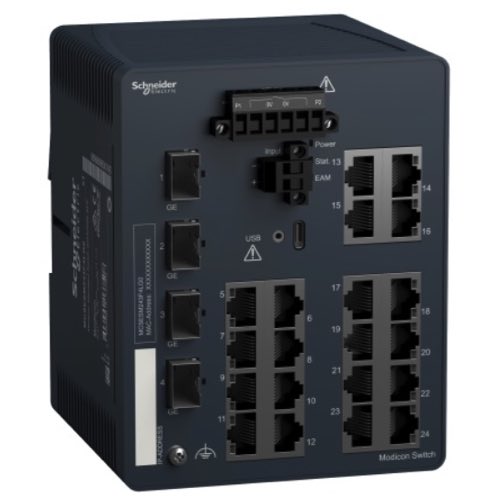
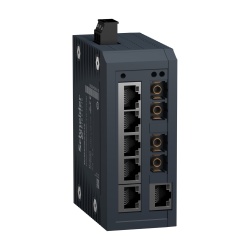
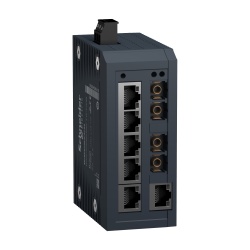
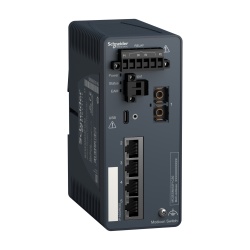
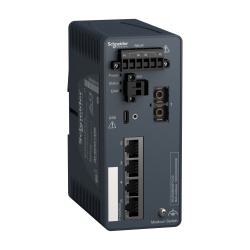
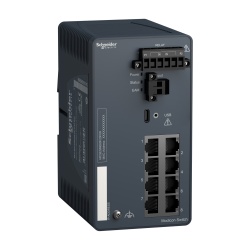
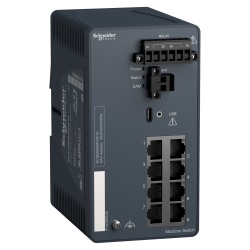
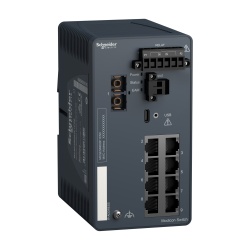
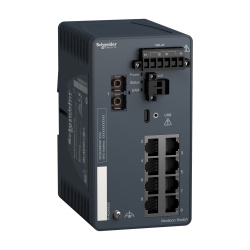
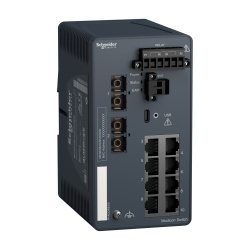
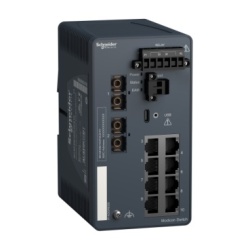
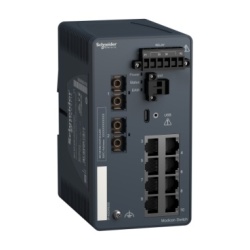
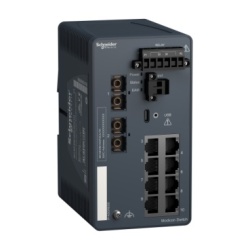
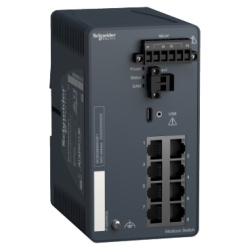
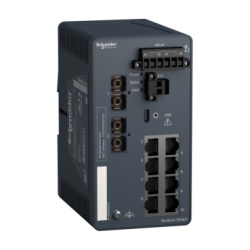
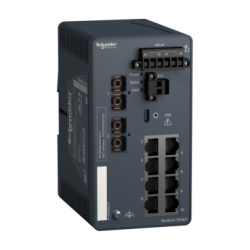
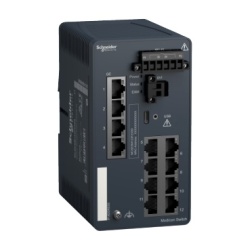
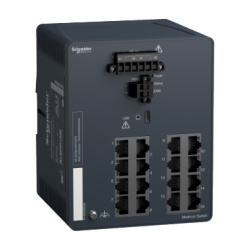
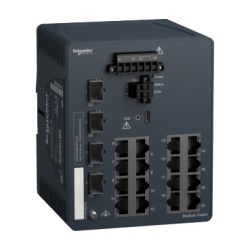
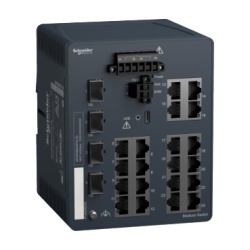
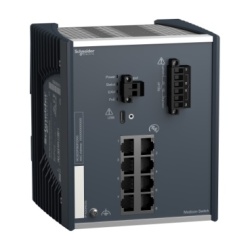
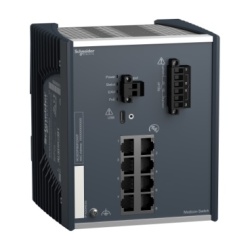
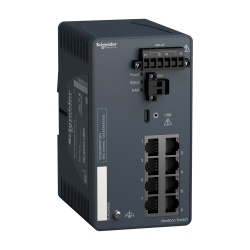
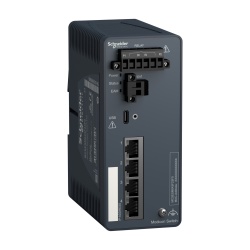
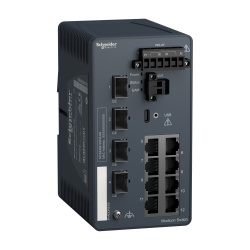
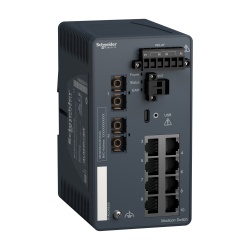
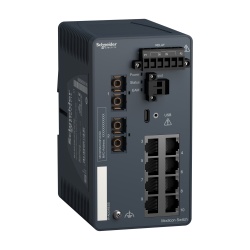
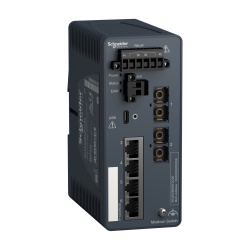
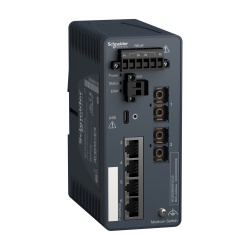
Schneider Electric’s Ethernet switches are reliable and secure devices for building networks in industrial and commercial settings. They're built tough to be the backbone of communications between automation systems, controllers, sensors, and monitoring devices in plants.
Schneider’s Ethernet switches are said to provide "smooth data transfer" across a range of network infrastructures. They couple well with Schneider’s EcoStruxure industrial control system for "connected operations" that are meaningful in a "data-driven" sense. Schneider Electric itself offers an array of Ethernet switches that cover the spectrum from entry to expert—unmanaged to managed switches, Power over Ethernet (PoE) switches, and several options in between.
These switches are built to international standards and work smoothly with Schneider's traditional and digital ecosystem devices. As industrial connectivity and digitalization grow, Schneider Electric Ethernet switches serve as vital components for Industry 4.0. They allow disparate systems to communicate over a single network and provide the flow of information between connected devices that is necessary for modern enterprise computing. Whether a switch is used to connect tens of thousands of field devices to upper-level controls in a smart factory, to connect lower-level controls to smart meters in a water treatment facility, or to serve as an upper-level switch in an infrastructure system, connected devices can rely on its performance.


FAQs
Q: What is the difference between managed and unmanaged Ethernet switches?
Managed Ethernet switches allow configuration, monitoring, and network control features such as VLANs, redundancy, and diagnostics, while unmanaged switches provide basic plug-and-play connectivity without configuration options.
Q: What are industrial Ethernet switches used for?
Industrial Ethernet switches are used to connect devices within automation, manufacturing, and control systems, providing reliable data communication in harsh environments.
Q: Are Schneider Electric Ethernet switches suitable for industrial environments?
Yes, Schneider Electric Ethernet switches are designed for industrial use and are built to withstand vibration, temperature variation, and electrical noise commonly found in automation environments.
Q: What is PoE, and when is it needed?
Power over Ethernet (PoE) allows Ethernet cables to deliver both data and power to connected devices such as cameras, access points, or sensors, reducing the need for separate power supplies.
Q: Where are Schneider Electric Ethernet switches commonly installed?
They are commonly installed in control panels, factory floors, process automation systems, and industrial networks requiring secure and reliable connectivity.
Why Buy Schneider Electric Ethernet Switches from RSP Supply
RSP Supply offers Schneider Electric Ethernet switches built for reliable, secure networking in industrial environments. Our selection supports high-performance connectivity for automation, manufacturing, and control system applications.