

Thermocouples
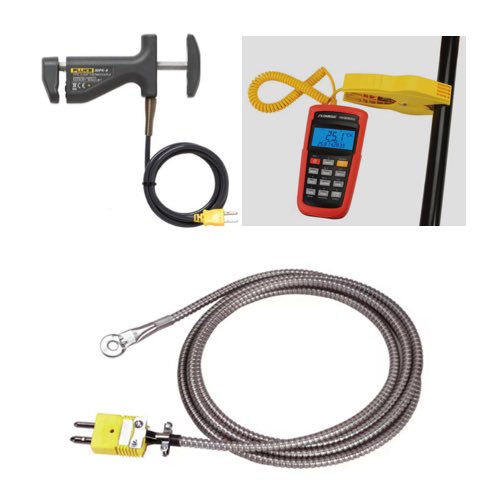
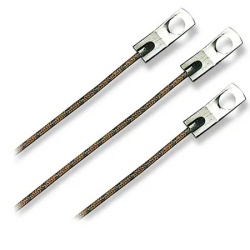
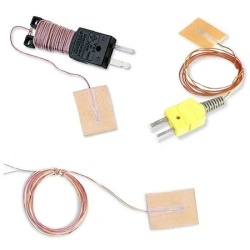
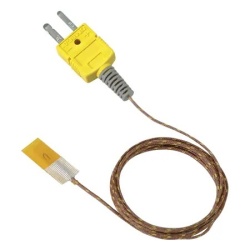
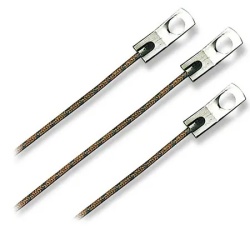
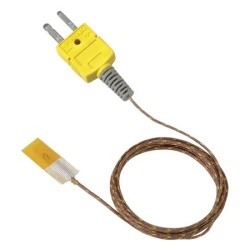
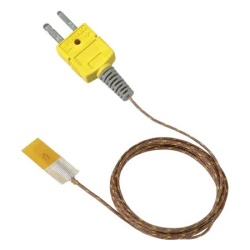
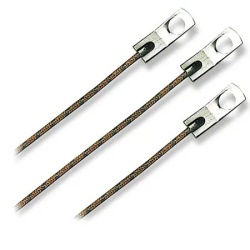
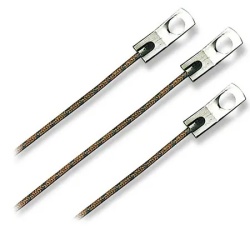
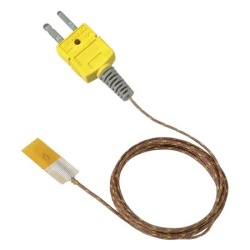
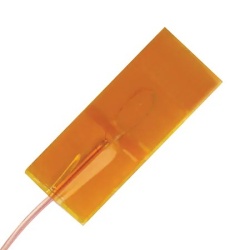
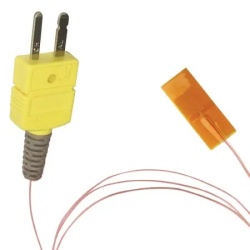
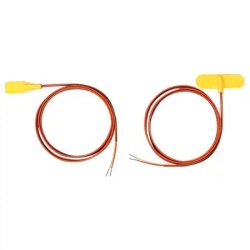
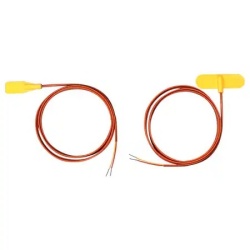
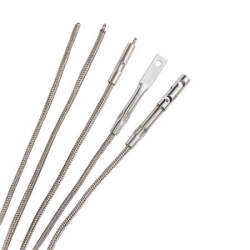
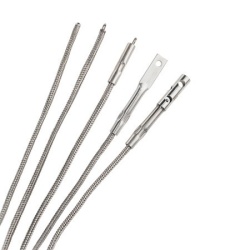
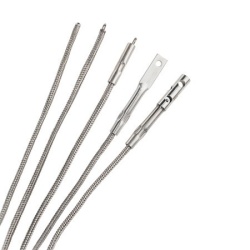
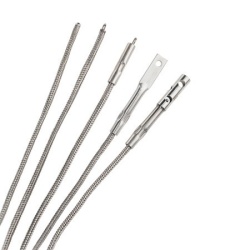
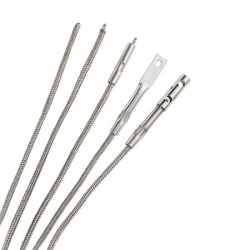
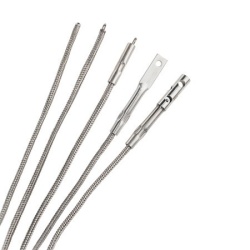
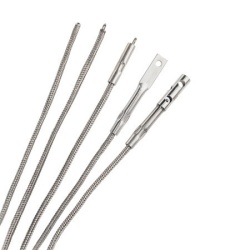
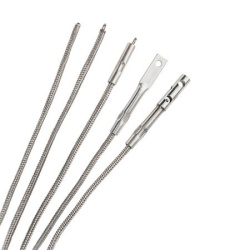
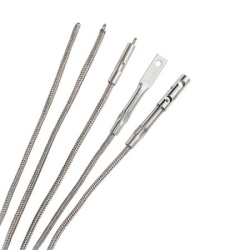
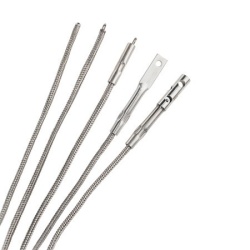
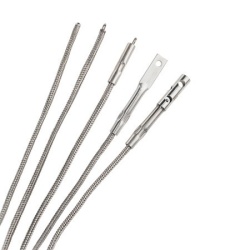
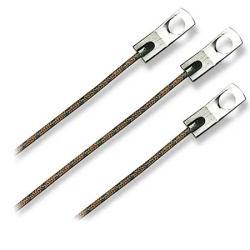
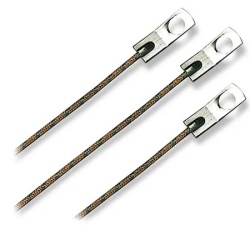
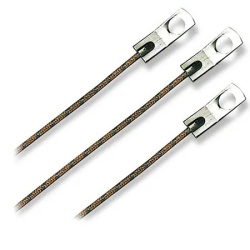
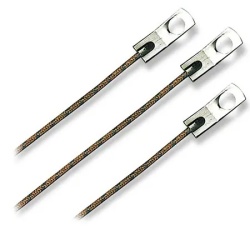
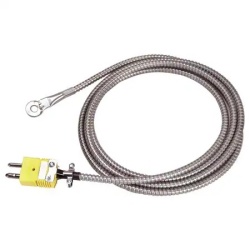
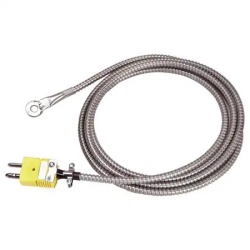
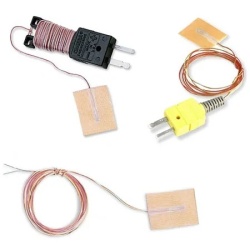
Thermocouples are widely used temperature sensors designed for reliable measurement across broad temperature ranges in industrial environments. They operate by generating a thermoelectric voltage at the junction of two dissimilar metals, with the voltage corresponding directly to temperature. Known for their rugged construction, fast response times, and cost-effective design, thermocouples are commonly used in furnaces, heat treat processes, manufacturing equipment, and power generation systems.
Base metal thermocouples such as Type J and Type K are among the most frequently used options for industrial temperature measurement. These thermocouple types offer dependable performance in high-temperature applications and are well-suited for general-purpose monitoring in oxidizing and inert atmospheres. Their durability and compatibility with a wide range of controllers and transmitters make them a standard choice for process control and automation systems.
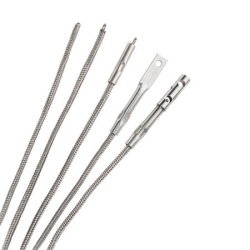
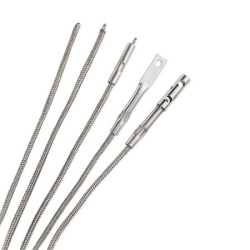
For extreme temperature and chemically demanding environments, noble metal thermocouples such as Type S and Type R provide enhanced stability and resistance. These thermocouples are engineered with specialized alloys and are often housed in stainless steel or high-temperature protective sheaths to maintain signal integrity and accuracy. Available with grounded, ungrounded, or exposed junctions, thermocouples can be configured to balance response time, electrical isolation, and application requirements.



FAQs
Q: How do thermocouples measure temperature?
Thermocouples measure temperature by generating a small voltage when two dissimilar metals are joined together at a sensing junction. This thermoelectric voltage changes predictably with temperature and can be interpreted by instruments or control systems.
Q: What are the temperature limits of a Type K thermocouple?
Type K thermocouples typically operate from approximately −200°C to +1,260°C (−328°F to +2,300°F), making them suitable for a wide range of industrial and high-temperature applications.
Q: What is the difference between grounded and ungrounded thermocouples?
Grounded thermocouples have the sensing junction connected to the probe sheath, providing faster response times. Ungrounded thermocouples electrically isolate the junction from the sheath, reducing electrical noise and improving signal stability in some applications.
Q: Where are noble metal thermocouples such as Type S and Type R used?
Noble metal thermocouples are used in extremely high-temperature or chemically aggressive environments, including furnaces, laboratories, and processes involving oxidizing or inert atmospheres where long-term stability is required.
Q: How do thermocouples compare to RTDs?
Thermocouples offer a wider temperature range, faster response, and greater durability in harsh environments. RTDs provide higher accuracy and repeatability at moderate temperatures but are typically not used at extreme temperatures where thermocouples excel.
Why Buy Thermocouples from RSP Supply
RSP Supply offers a comprehensive selection of thermocouples designed for dependable performance in demanding industrial applications. Our product range includes base metal and noble metal thermocouples, multiple junction types, and protective sheath options to match a wide variety of temperature measurement needs. Customers rely on RSP Supply for consistent quality, technical expertise, and temperature sensing solutions that support safe, accurate, and efficient industrial operations.