
Respiratory Protection
Respiratory protection is essential in workplaces where employees may be exposed to airborne contaminants, hazardous dusts, fumes, vapors, or oxygen-deficient atmospheres. Proper respiratory protection helps reduce the risk of short- and long-term health effects by ensuring workers breathe clean, safe air while performing their jobs. These solutions are commonly used across industrial, construction, manufacturing, healthcare, and maintenance environments.
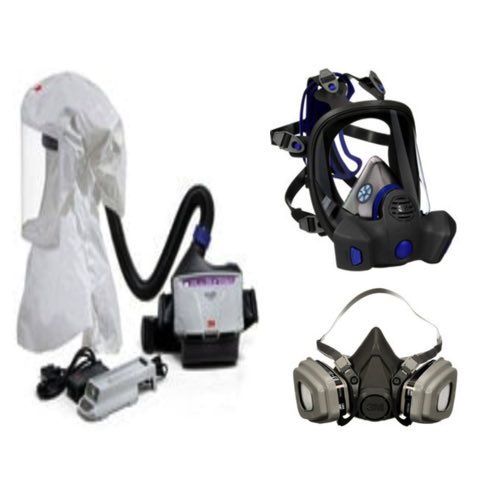
This category includes a broad range of NIOSH-approved respirators, from disposable filtering facepiece respirators designed to protect against airborne particulates, to reusable air-purifying respirators, powered air-purifying respirators (PAPRs), and supplied-air systems. Each type of respirator is designed to address specific hazards, making correct selection critical. Respirators must be chosen based on the nature of the airborne hazard, exposure levels, and whether the environment contains sufficient oxygen.
An effective respiratory protection program goes beyond selecting the right equipment. It includes proper training, fit testing, inspection, and maintenance to ensure respirators function as intended.
FAQs
Q: What is respiratory protection used for?
Respiratory protection is used to protect workers from inhaling harmful airborne contaminants such as dust, fumes, vapors, and particles, as well as to provide breathable air in oxygen-deficient environments.
Q: What types of respirators are available?
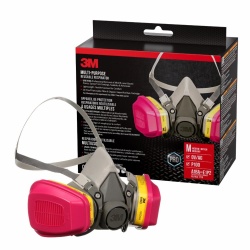
Common types include disposable filtering facepiece respirators, reusable air-purifying respirators, powered air-purifying respirators (PAPRs), and supplied-air or airline respirators.
Q: Are airline respirators NIOSH-approved and suitable for oxygen-deficient atmospheres?
Yes. Airline respirators are NIOSH-approved and are designed to provide breathable air from an external source, making them suitable for use in oxygen-deficient environments.
Q: What is included in a respiratory protection program?
A comprehensive program includes hazard assessment, respirator selection, employee training, fit testing, equipment inspection, maintenance, and ongoing monitoring to ensure compliance and effectiveness.
Q: Do powered air-purifying respirators use HEPA filtration?
Yes. Many powered air-purifying respirators use high-efficiency particulate air (HEPA) filters to remove airborne particles and provide enhanced respiratory protection.
Why Buy Respiratory Protection from RSP Supply
RSP Supply offers a full range of NIOSH-approved respiratory protection solutions to support worker safety across a wide variety of environments. Our product selection helps safety managers and maintenance teams choose reliable respiratory equipment that supports compliance, proper fit, and dependable protection against workplace respiratory hazards.