
3M Respiratory Protection
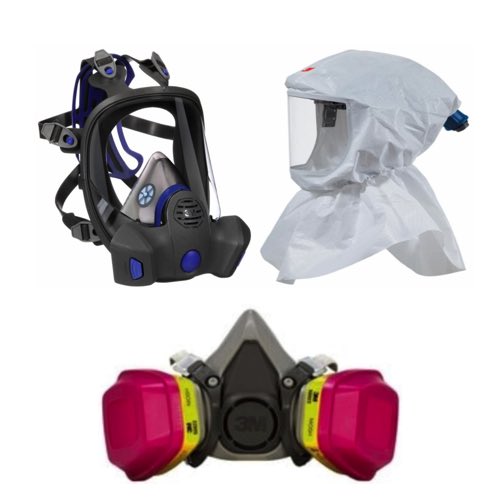
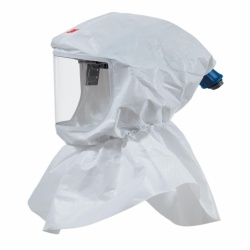
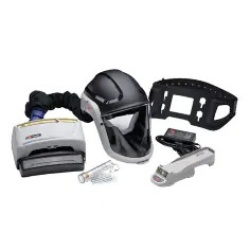
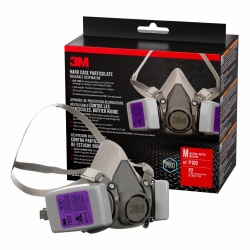
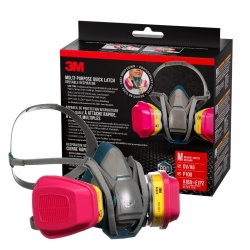
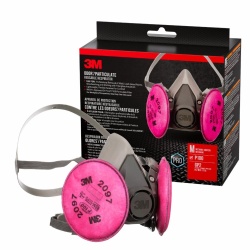
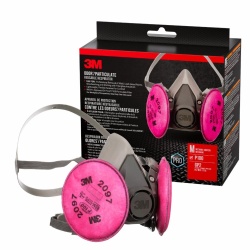
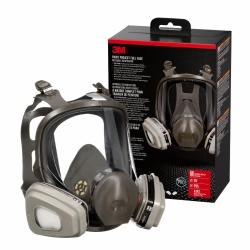
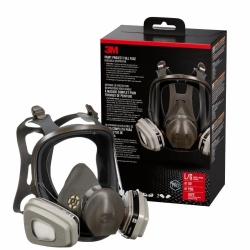
3M respiratory protection products include disposable N95 respirators, reusable half-face and full-face respirators with interchangeable filter cartridges, powered air-purifying respirators, and supplied-air systems for protection against particulates, organic vapors, and industrial gases in manufacturing, automotive, painting, maintenance, and healthcare environments. 3M respiratory protection products are designed to help safeguard workers in environments where dust, fumes, vapors, and airborne contaminants are present. These solutions are widely used across manufacturing, automotive, painting, maintenance, and healthcare settings where reliable respiratory protection is critical to worker safety and regulatory compliance. Across all product types, 3M respiratory protection emphasizes secure fit, durability, and consistent performance to support worker safety in demanding conditions.
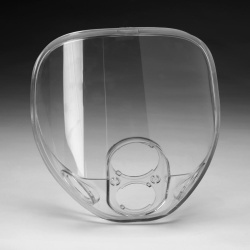
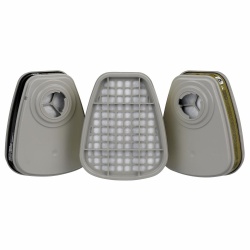
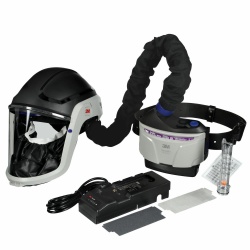
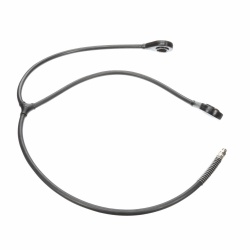
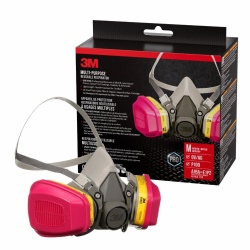
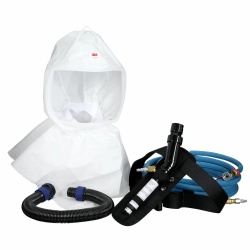
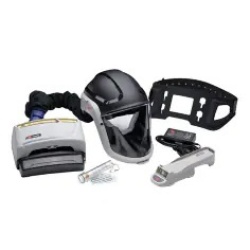
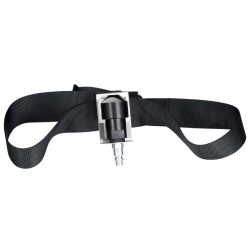
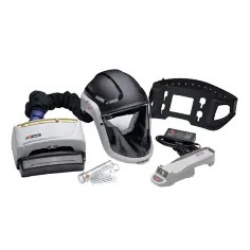
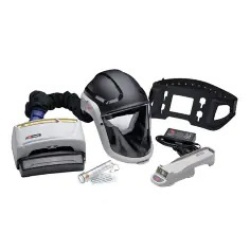
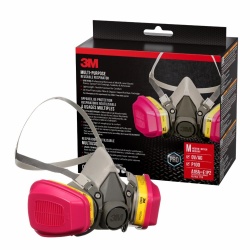
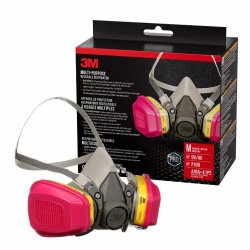
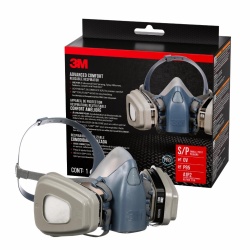
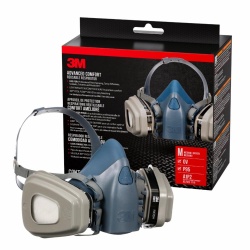
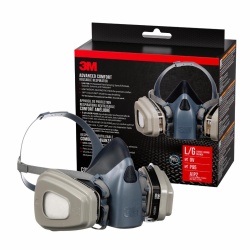
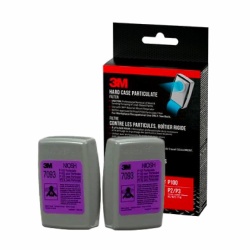
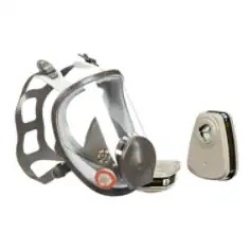
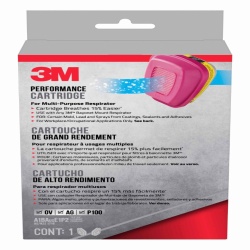
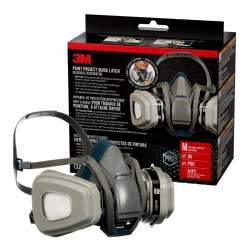
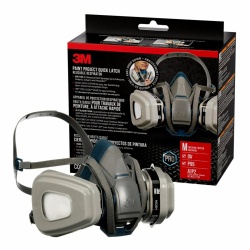
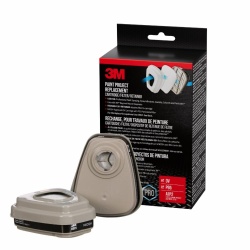
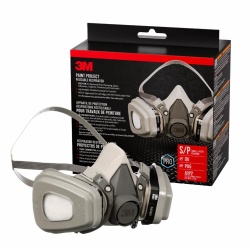
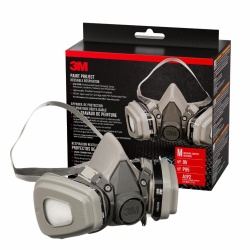
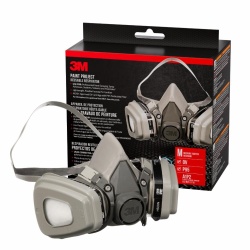
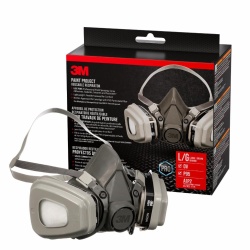
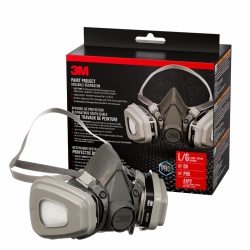
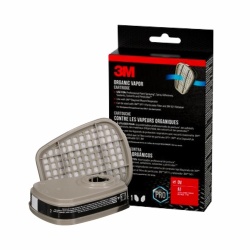
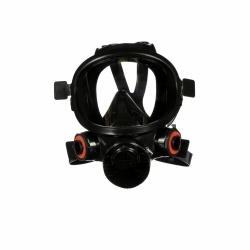
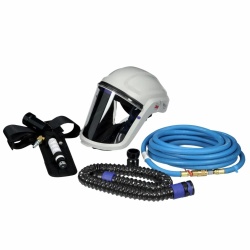
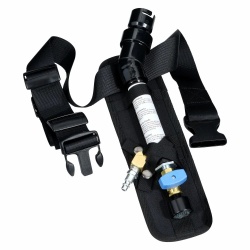
The 3M product line includes lightweight disposable N95 respirators for particulate protection, as well as reusable half-face and full-face respirators that can be equipped with interchangeable filters and cartridges. This modular approach allows users to select protection levels appropriate for specific hazards including particulates, organic vapors, and other industrial gases. Reusable respirators support long-term use by allowing components to be cleaned and filters replaced as needed, making them more economical over time compared to replacing the entire mask. For higher exposure environments, 3M powered air-purifying respirators provide filtered airflow to the user, reducing breathing resistance and improving comfort during extended wear. Supplied-air systems provide fresh air through a hose from a tank or blower for maximum protection in the most hazardous environments. Most 3M respiratory protection products carry NIOSH certification for filtration efficiency and breathing resistance, and meet OSHA rule 29 CFR 1910.134 requirements for employer training and fit testing compliance.



FAQs
What kinds of respirators does 3M offer?
3M offers four main types of respiratory protection: disposable N95 masks, reusable half-face and full-face respirators with interchangeable filter cartridges, powered air-purifying respirators that blow filtered air into the mask, and supplied-air systems that deliver fresh air through a hose from a tank or blower.
How are disposable masks different from reusable ones?
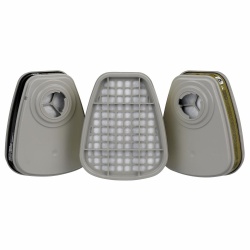
Disposable masks are designed for single use with the filter built into the molded facepiece, making them simple and cost-effective for short jobs or emergencies. Reusable masks have a durable facepiece that can be washed, with separate interchangeable cartridges that can be swapped for different hazards, reducing long-term cost.
How do I know which mask is right for my job?
Consider what is in the air, whether dust, gas, or vapor, the concentration levels, duration of exposure, and environmental conditions such as temperature and humidity. 3M provides product guides, web tools, and a Respirator Selector that match hazard type to the appropriate mask.
Do 3M masks follow OSHA and NIOSH rules?
Most 3M masks carry NIOSH certification, confirming they have passed strict filtration and breathing resistance tests. They also meet OSHA rule 29 CFR 1910.134, which requires employer training and fit testing for respiratory protection programs.
When should I change filters or cartridges?
Filter replacement depends on air quality, usage frequency, and filter capacity. Signs that a filter needs replacing include reduced airflow, a darkened filter, or detectable odors. Following the manufacturer guidelines and inspecting filters regularly is the safest approach.
Why Buy 3M Respiratory Protection from RSP Supply
RSP Supply is an authorized distributor of 3M respiratory protection products, offering disposable N95 respirators, half-face and full-face reusable respirators, powered air-purifying respirators, and supplied-air systems for industrial, commercial, and healthcare applications. Our selection supports compliance with NIOSH and OSHA 29 CFR 1910.134 workplace safety requirements while offering flexibility across different exposure levels and job functions. Customers rely on RSP Supply for dependable product availability, technical expertise, and trusted safety solutions that help protect workers in challenging environments.