

Littelfuse Solid State Relays
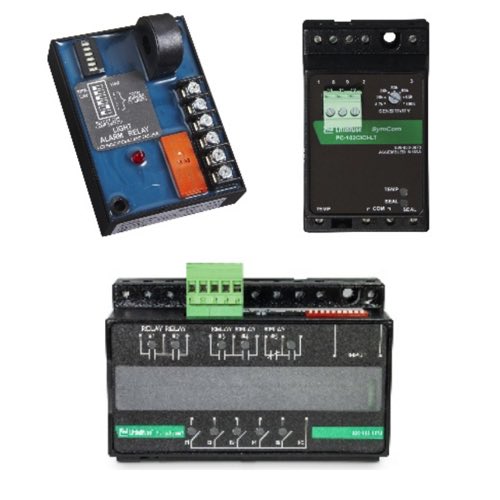
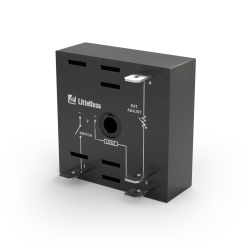
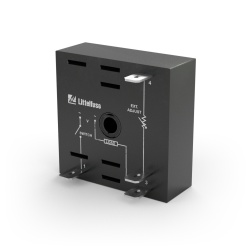
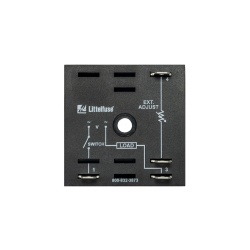
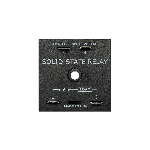
Littelfuse solid state relays (SSRs) are designed to provide reliable, high-performance switching in modern electrical and electronic systems. Unlike electromechanical relays, SSRs use semiconductor technology to switch loads without moving parts. This allows for silent operation, fast response times, and long service life, making them well-suited for applications that require frequent or precise switching.
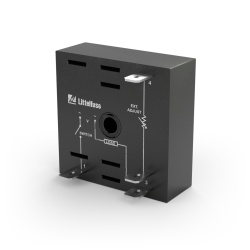
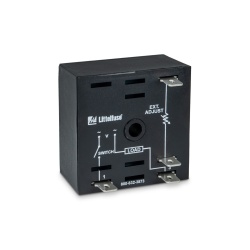
RSP Supply carries a full range of Littelfuse SSRs, including alternating relays, single-function relays, and models designed for lighting and liquid level control. These relays are capable of handling high voltages and currents, supporting applications such as industrial automation, motor control, heating systems, and process equipment. Precise switching capability helps improve energy efficiency and maintain consistent system performance where timing and repeatability are critical.
Littelfuse solid-state relays are engineered with thermal management in mind to ensure reliable operation under load. Efficient heat dissipation helps maintain safe operating temperatures and extends relay lifespan. Available in panel mount, PCB mount, and DIN rail configurations, Littelfuse SSRs integrate easily into new designs or existing control panels. Their resistance to shock, vibration, and mechanical wear makes them especially suitable for harsh industrial environments.


FAQs
Q: What is a solid-state relay?
A solid-state relay is an electrically operated switch that uses semiconductor components instead of mechanical contacts to control electrical loads. This design enables fast, silent switching with minimal wear.
Q: What are alternating solid-state relays used for?
Alternating solid-state relays are commonly used in applications where loads need to be switched or alternated in a controlled sequence, such as pump control, load balancing, or redundant system operation.
Q: What is the difference between solid-state relays and electromechanical relays?
Solid-state relays have no moving parts, offering longer service life, faster switching, and vibration resistance. Electromechanical relays use physical contacts, which can wear over time but may be preferred in certain low-heat or cost-sensitive applications.
Q: Do solid-state relays generate heat?
Yes, solid-state relays generate heat during operation, especially under higher loads. Proper thermal management, such as heat sinks or adequate ventilation, is important to ensure reliable performance.
Q: Where are Littelfuse solid-state relays commonly used?
Littelfuse SSRs are used in industrial automation, lighting control, liquid level monitoring, heating systems, and other applications that require reliable and precise electrical switching.