

Relays_Electromechanical_vs__Solid_State.pdf
Transcript:
[0m:4s] Hi I'm Josh Bloom, welcome to another video in the RSP Supply education series. If you find that these videos are helpful to you, it certainly helps us out if you could give us a big thumbs up and subscribe to our channel.
[0m:16s] In today's video, we are going to talk a little bit more about relays. More specifically, we are going to discuss the differences between electromechanical relays and solid state relays. If you have not already seen some of our other videos in which we discuss the functionality and different types of relays in great detail, we will link those in the description below.
[0m:41s] When talking about relays, it is common to see them fall into two categories, electromechanical relays, or EMRs, as well as solid state relays. Today, we will discuss the main differences of these two types of relays and some of the advantages and disadvantages of each so that you might have a better understanding of which relay will better fit your specific needs.
[1m:8s] In order to better understand the differences between each relay, we need to first talk about what makes each relay unique and a bit about how they work.
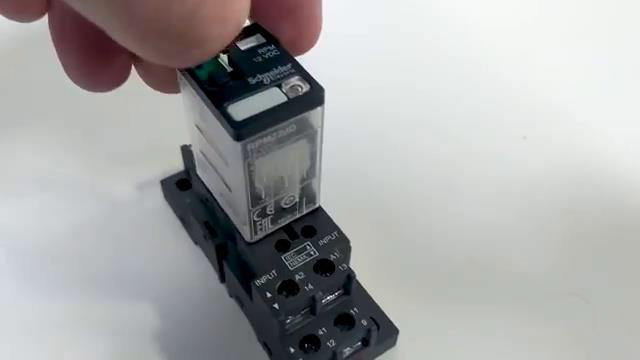
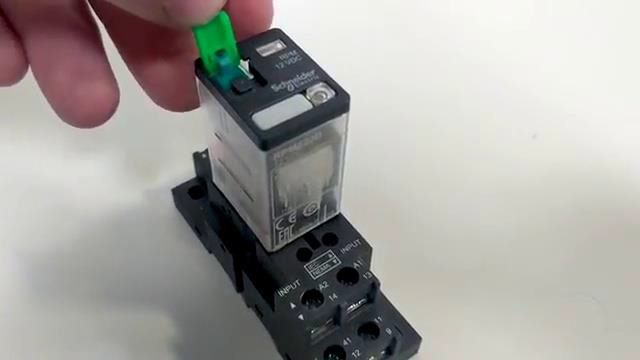
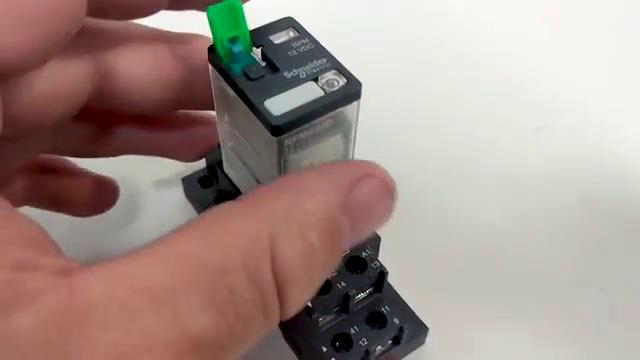
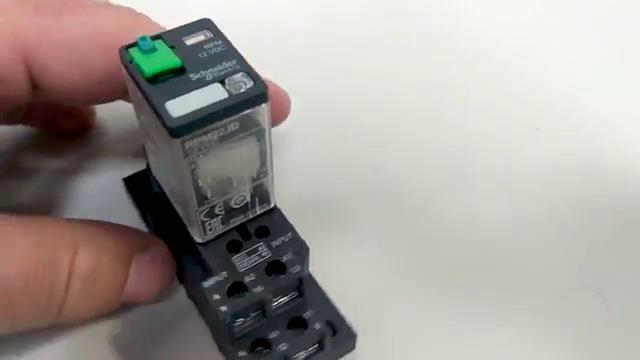
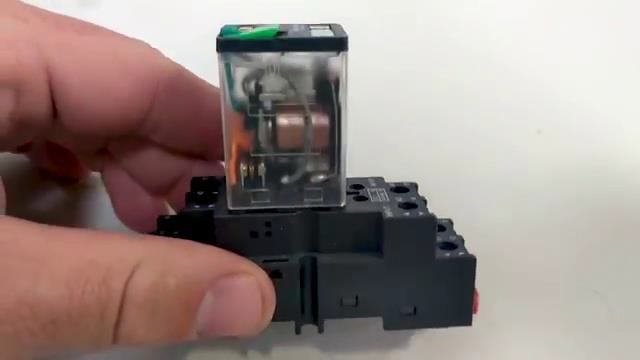
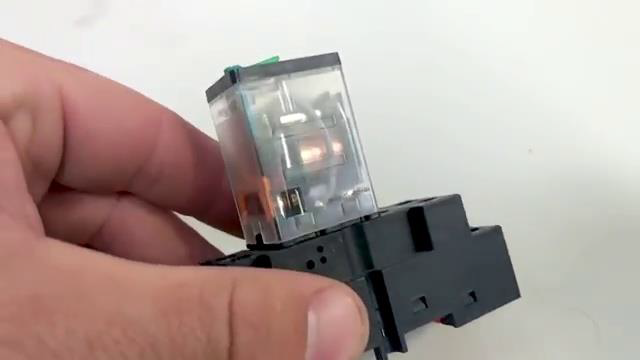
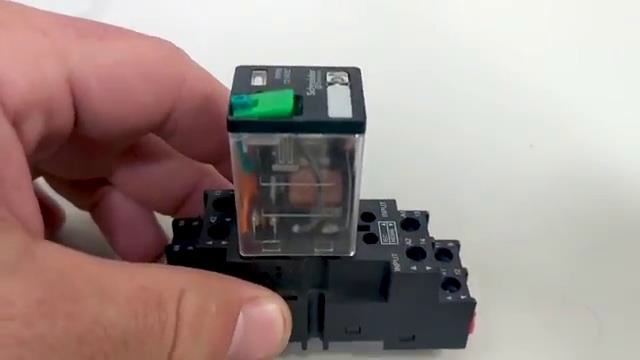
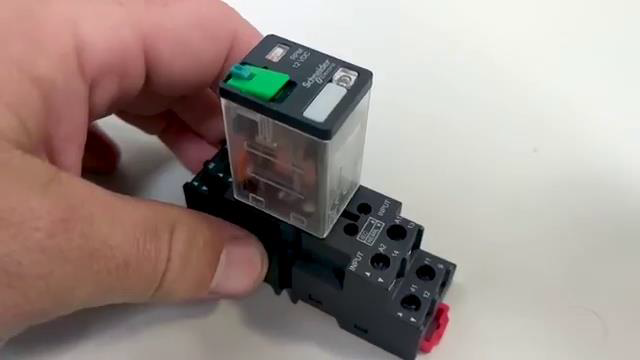
[1m:17s] First let's start with electromechanical relays or EMRs. The first thing you should know about EMRs is that they use physical moving parts within the relay to achieve the desired functionality.
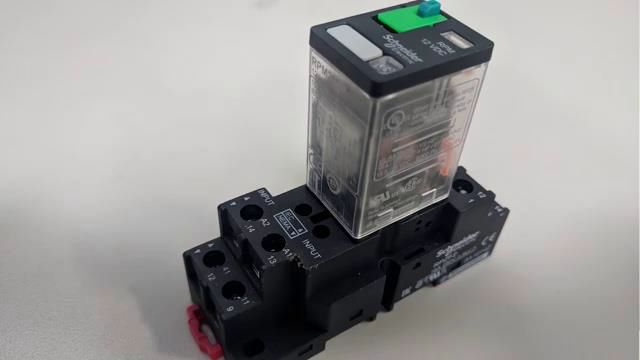
[1m:33s] These moving parts include the contacts that switch between normally open and normally closed stationary contacts in the relay.
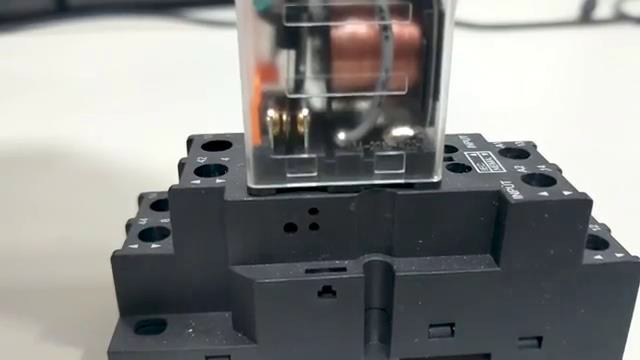
[1m:43s] This movement is made possible by an electromagnet. When power is applied to this magnet, it will act on the movable contact causing the relay to switch. In an EMR it is common to hear the switching sound that is represented by a clicking noise. This audible noise can be helpful when determining the functionality of the relay.
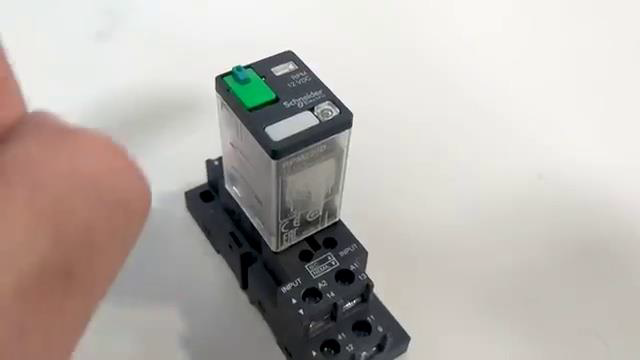
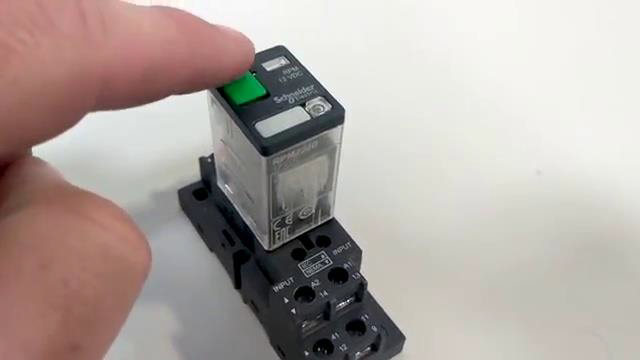


[2m:7s] Now let's talk about solid state relays and some of the characteristics that make them up.
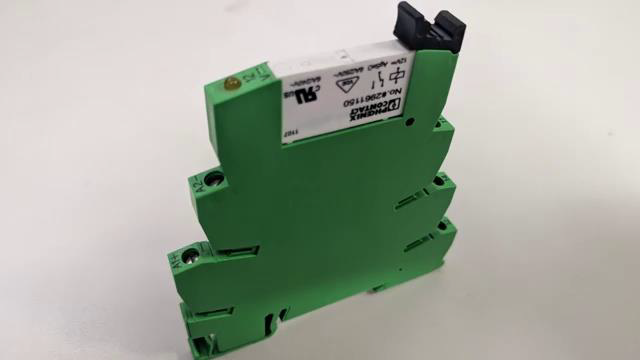
[2m:13s] A solid state relay will use a low power electrical signal to generate an optical semiconductor signal.
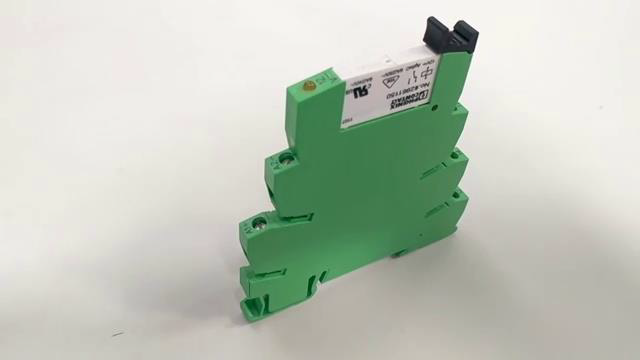
[2m:23s] This will then transmit and energize an output signal.
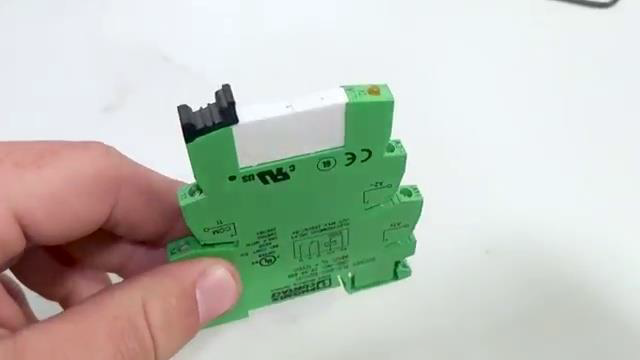
[2m:27s] So when this is activated, the input optical signal will act as the switch, then allowing the higher voltage signal to pass through the relay's output components.
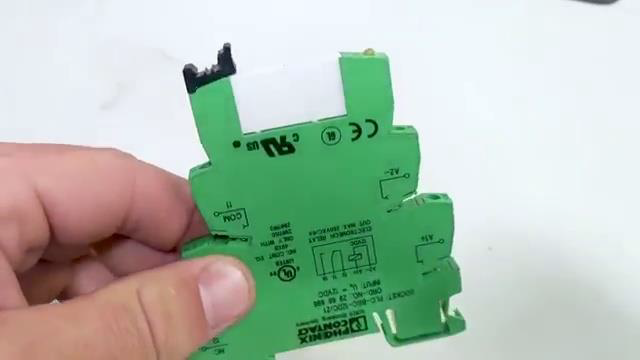
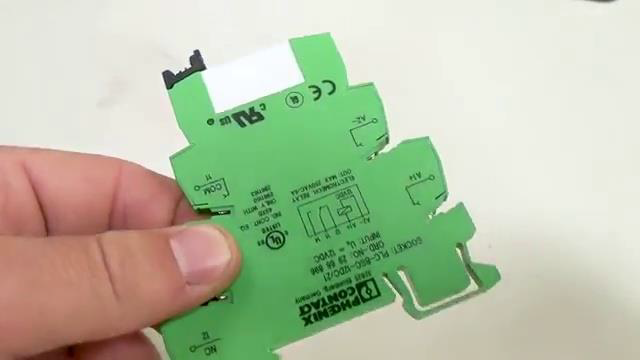

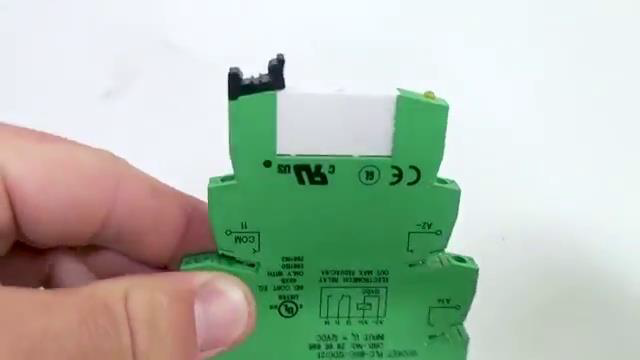
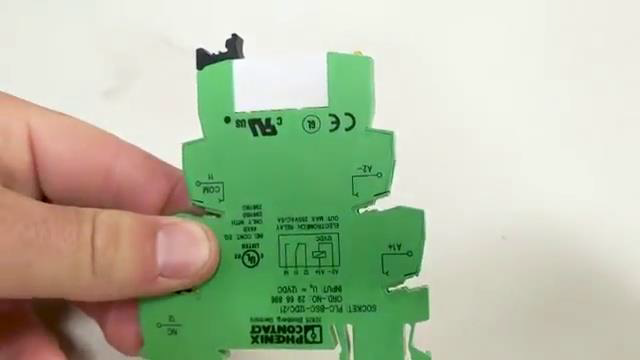
[2m:41s] The internal circuitry of a solid state relay is far more complex than an EMR, but one of the main takeaways that you should remember is that in a solid state relay, there are no physical moving parts.
[2m:55s] Now that we have a better understanding of what makes up each of these two types of relays, let's now talk about some of the advantages and disadvantages of each.
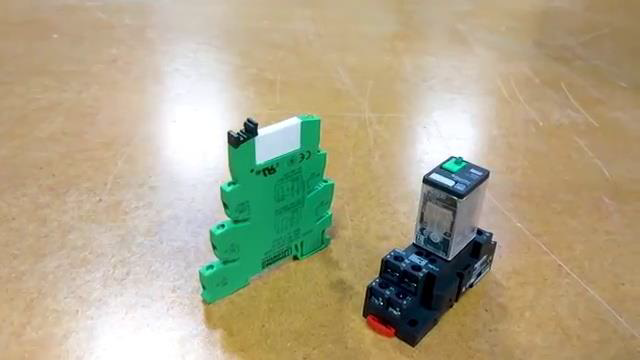
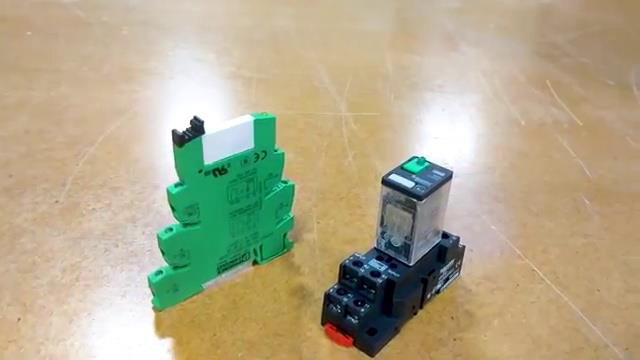
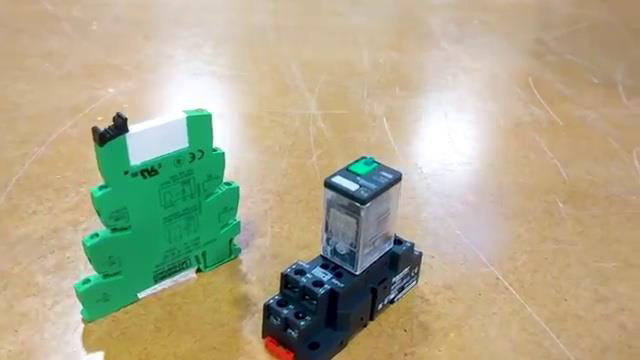
[3m:4s] Hopefully this comparison can help you better determine which type of relay will better be suited for your specific application.
[3m:13s] First let's look at EMRs. Because of their more simplistic design and functionality, they often are less intimidating to installers and operators. Also because of this simple design, the cost of an EMR is quite a bit less than that of a solid state relay.
[3m:33s] Another benefit of using an EMR is the fact that in many cases, testing is easier because of the audible clicking noise that they make. And also, in many cases, you can manually switch the contact depending on the relay which can offer a lot of convenience depending on the situation.
[3m:53s] Lastly EMRs are much more common, which makes finding replacement parts easier. Some disadvantages to using an EMR would be that they can generate a significant amount of signal noise depending on the application.
[4m:8s] Also, they typically consume much more power than a solid state relay, which over time can lead to more cost. Another point to consider is that they do not switch as fast as a solid state relay. So in situations where switching speed is important an EMR may not be the best option.
[4m:28s] Lastly EMRs create potential arcing situations, so they are not suitable for areas that may have high potential for combustion, such as a class one div two environment.
[4m:41s] Now let's look at solid state relays. Some of the advantages in using this type of relay would include the fact that they generate very little noise during operation which can be very beneficial depending on your application.
[4m:55s] They also consume very little power in comparison to EMRs, which over time can save a lot of money.
[5m:1s] They are also very shock and vibration resistant which can offer a level of reliability not seen in EMRs.
[5m:11s] Also, there is no danger of generating a spark, so using them in more volatile environments is acceptable.
[5m:19s] Lastly, they have the ability to switch at a very rapid rate, much faster than an EMR.
[5m:26s] Some disadvantages of using this style of relay would include the fact that they are quite a bit more expensive than EMRs. Also, because of the higher level of complexity and cost, they are not as common as EMRs, therefore, they are harder to find replacements for.
[5m:42s] Testing functionality is also not as simple as it is with an EMR because of the lack of the ability to manually switch this type of relay, and also because there is no audible clicking noise when the relay switches like you would see on an EMR. In conclusion, depending on the application and a variety of other factors will largely dictate which relay is best for your specific needs. There are definitely no right or wrong answers as to which is best. They each offer advantages and disadvantages that will factor into which relay will work best for your scenario.
[6m:19s] For a full line of electromechanical relays and solid state relays as well as thousands of other products, please go to our website. For more information or other educational videos go to RSPSupply.com, the Internet's top source for industrial hardware. Also, don't forget: like and subscribe.