
Safety Switches
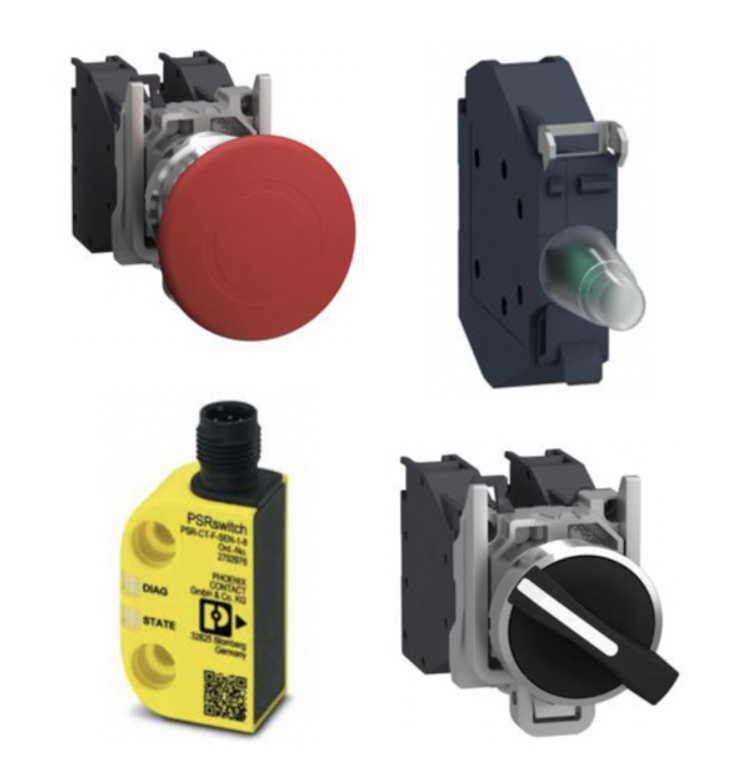
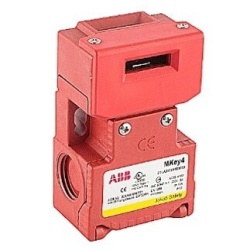
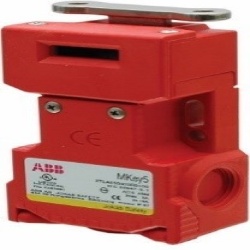
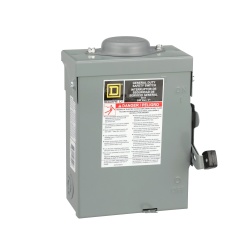
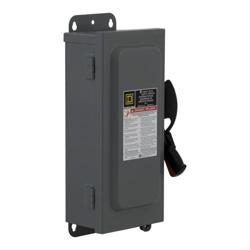
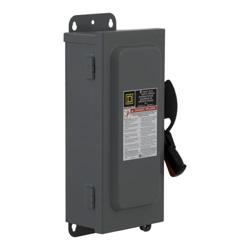
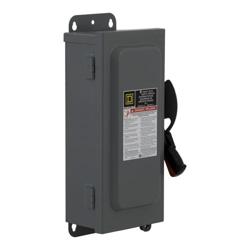
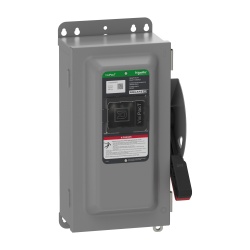
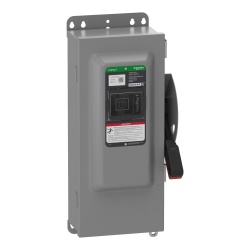
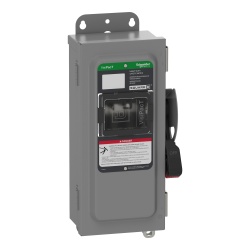
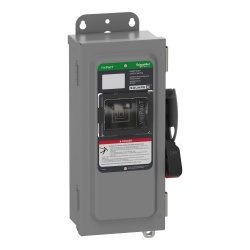
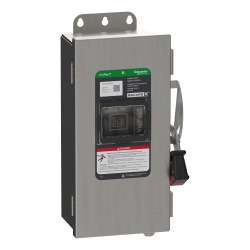
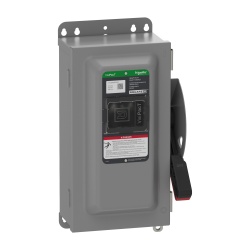
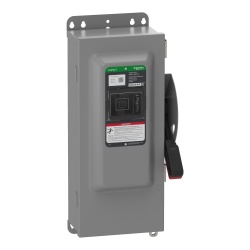
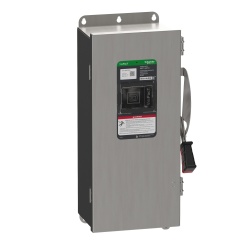
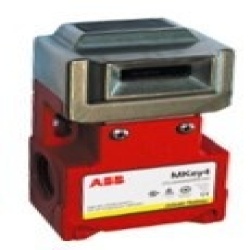
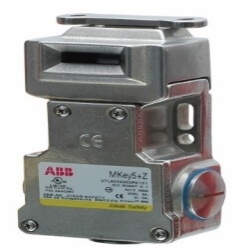
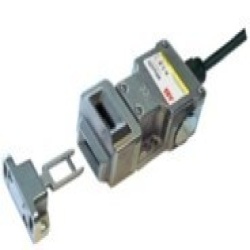
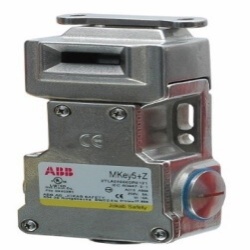
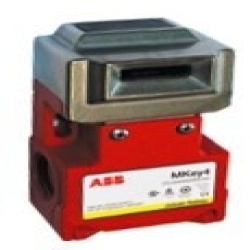
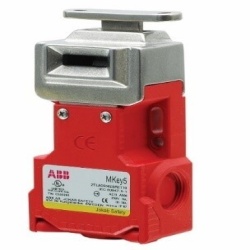
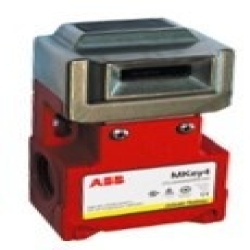
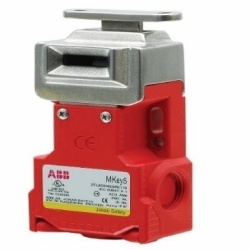
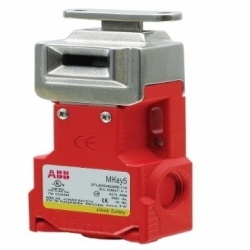
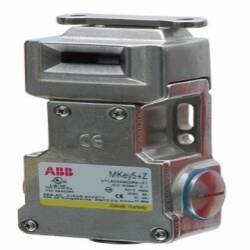
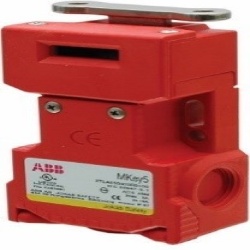
Industrial safety switches provide a visible and reliable means to disconnect electrical power from equipment, machinery, and branch circuits for maintenance, servicing, or emergency shutdown. Commonly installed near motors, pumps, conveyors, HVAC equipment, and industrial machinery, these disconnects help protect personnel by providing a local isolation point and supporting electrical code requirements for a disconnecting means.
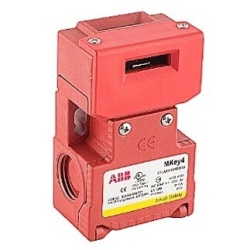
Safety switches are built for demanding industrial conditions and are available in a wide range of voltage and current ratings. Many models are offered with metal or non-metallic enclosures suited for indoor, outdoor, corrosive, or washdown locations. Features such as lockable handles and door interlocks are often included to support lockout/tagout (LOTO) procedures and reduce the risk of accidental re-energization during service work.
Both fused and non-fused safety switches are available, depending on the protection strategy of the electrical system. Fused disconnects incorporate overcurrent protection at the disconnect location, while non-fused disconnects are used when upstream protection is provided by a breaker or other protective device. Additional options can include visible blade designs for verification of isolation, auxiliary contacts for remote status indication, and NEMA or IP ratings to match environmental exposure and compliance requirements.








FAQs
Q: What is the purpose of a safety switch?
A safety switch provides a safe, visible means to disconnect electrical power from equipment, helping protect workers during maintenance, troubleshooting, or emergency situations.
Q: What is the difference between fused and non-fused safety switches?
Fused safety switches include fuses to provide overcurrent protection at the disconnect, while non-fused safety switches rely on upstream protection such as circuit breakers or fuses located elsewhere.
Q: Are safety switches required by electrical codes?
Electrical codes often require a local disconnecting means for motors and certain equipment. Safety switches are commonly used to meet these requirements, depending on the application and installation.
Q: Can safety switches be used outdoors?
Yes. Many safety switches are available with outdoor-rated enclosures, including weatherproof or corrosion-resistant options designed for harsh environmental exposure.
Q: Do safety switches support lockout/tagout procedures?
Most industrial safety switches include lockable handles and can be used as part of a lockout/tagout program to help prevent accidental re-energization during service and maintenance.
Why Buy Industrial Safety Switches | Fused & Non-Fused Electrical Disconnects from RSP Supply
RSP Supply offers industrial safety switches designed for dependable power isolation and code-compliant disconnecting means across common industrial applications. Our selection includes fused and non-fused disconnects, enclosure options for harsh environments, and configurations that support LOTO and visual verification of isolation. Customers rely on RSP Supply for practical selection support to help match safety switches to voltage and current requirements, enclosure ratings, and installation conditions. This helps standardize disconnect solutions across facilities while supporting safer maintenance practices and reliable electrical system performance.