

RDA Antennas
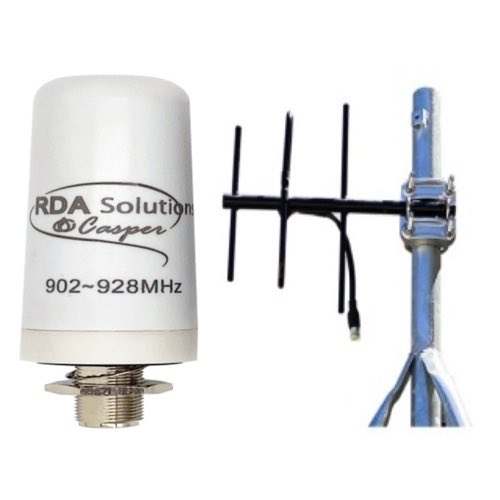
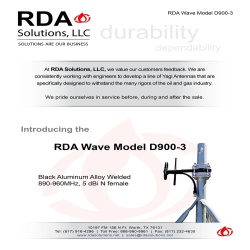
RDA antennas are a type of industrial antenna used for wireless communication in industries such as oil and gas, remote monitoring, and automation. They are used to provide reliable long distance communication for SCADA, data radio, and remote monitoring equipment. Various types of antennas are available, including omni-directional, Yagi, and rubber duck, for use depending on the range, coverage pattern, and the application. 450 MHz, 900 MHz, 2.4 GHz and cellular LTE frequencies are commonly used for wireless telemetry in these industries.
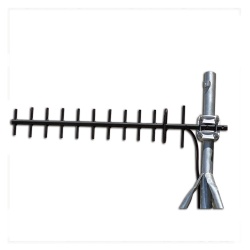
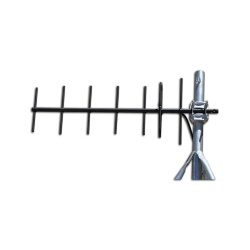
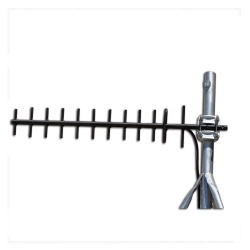
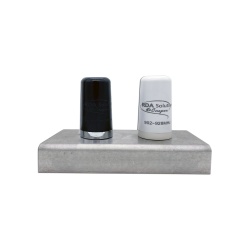
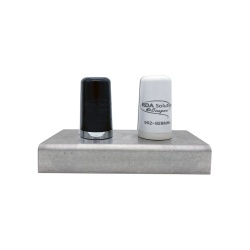
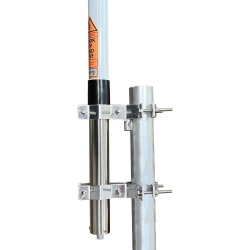
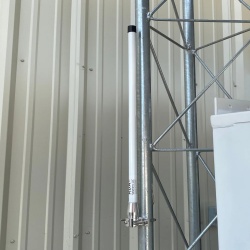
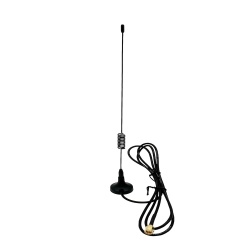
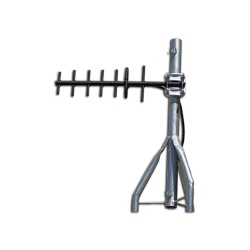
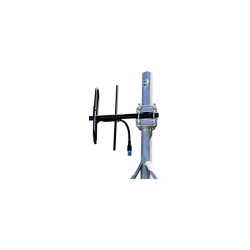
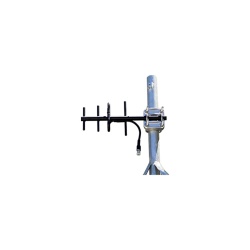
Omni-directional antennas have a 360 coverage pattern making them ideal for base station applications, while Yagi antennas are used for higher gain, point-to-point communication. Rubber duck antennas are a compact solution used directly on devices such as a radio or gateway when space is a concern. Many RDA antennas are used in outdoor applications and are constructed to withstand environmental conditions such as temperature, wind, water and dust.
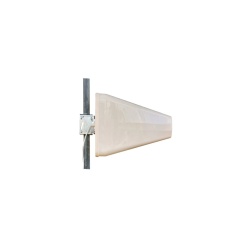
Antennas used in energy and automation applications are typically made with welds, protective coatings and high gain designs for better performance and reduced interference. Directional Yagi models offer a narrow beamwidth and high front to back making them ideal for long distance applications in remote areas such as pipelines, well pads and utilities.


FAQs
What are RDA antennas used for?
RDA antennas are used in industrial wireless communication systems such as SCADA networks, telemetry systems, remote monitoring, and industrial automation where reliable long-distance radio communication is required.
What types of RDA antennas are available?
RDA manufactures several antenna types including omni-directional antennas, directional Yagi antennas, and rubber-duck antennas for radios and wireless gateways.
What frequencies do RDA antennas support?
Many RDA antennas operate in industrial communication bands such as 450 MHz, 900 MHz, 2.4 GHz, and LTE frequencies commonly used for telemetry, IoT, and data radio systems.
What is the difference between an omni antenna and a Yagi antenna?
Omni antennas transmit and receive signals in all directions for broad coverage, while Yagi antennas focus signal energy in one direction to achieve longer communication distances and higher signal gain.
Where are RDA antennas commonly installed?
They are often installed in industrial sites such as oil and gas facilities, water treatment plants, utility substations, remote monitoring stations, and automation control systems.