
Tek-Trol Flow Meters
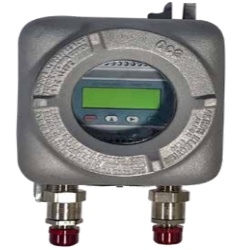
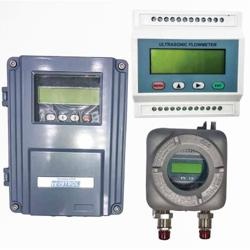
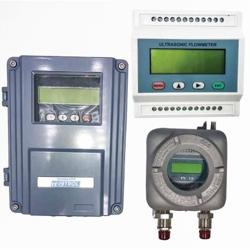
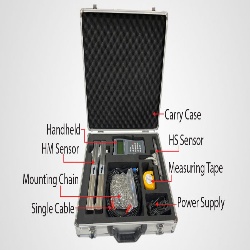
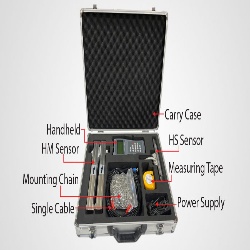
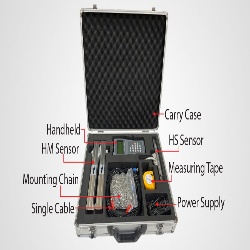
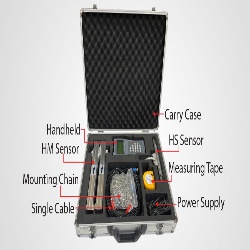
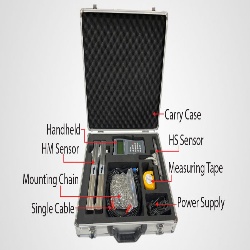
Tek-Trol flow meters are engineered to deliver precise, stable flow measurement for critical industrial automation and process control applications. Known for advanced measurement technologies and robust engineering, Tek-Trol provides flow solutions for liquids, gases, steam, and slurries across industries such as chemical processing, power generation, oil and gas, water treatment, and manufacturing.
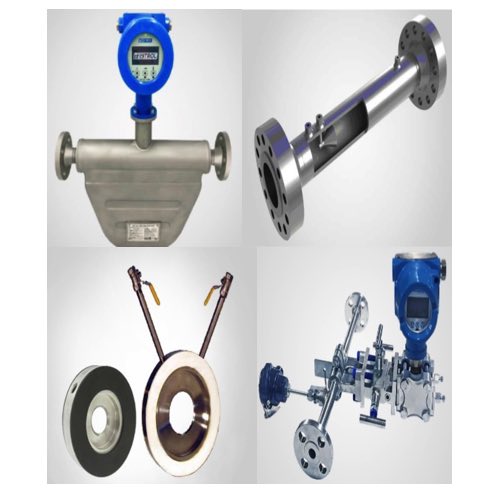
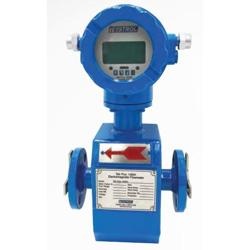
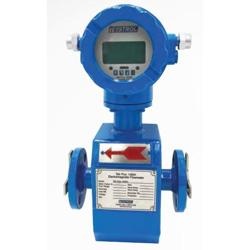
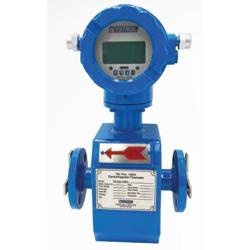
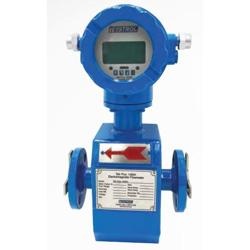
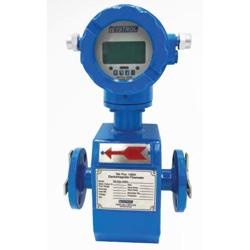
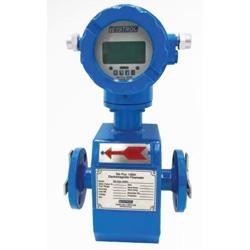
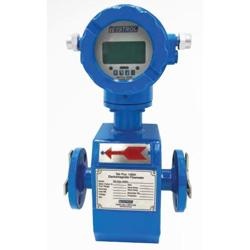
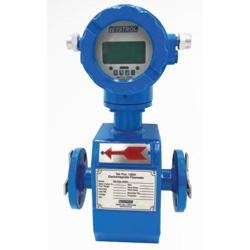
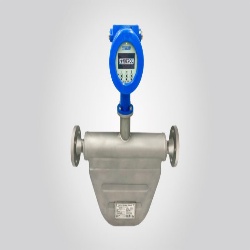
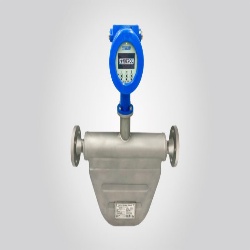
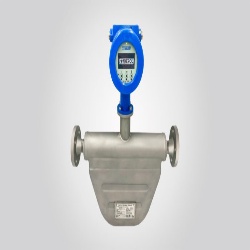
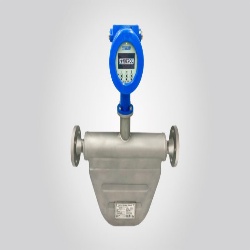
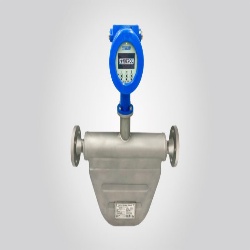
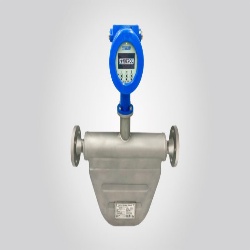
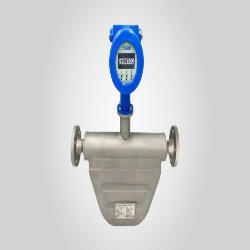
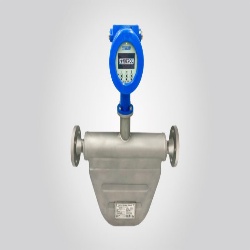
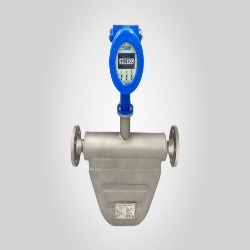
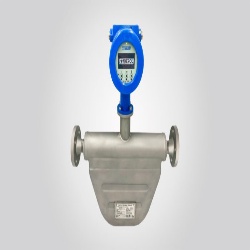
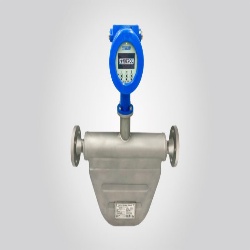
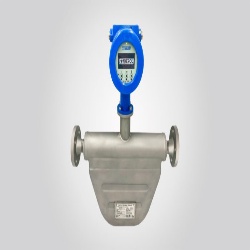
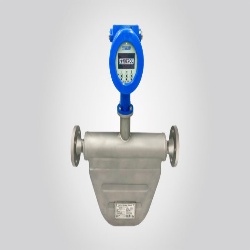
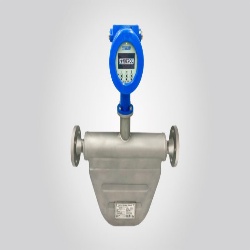
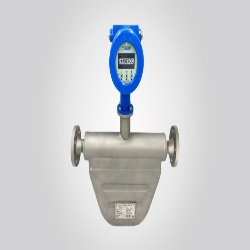
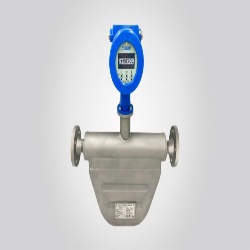
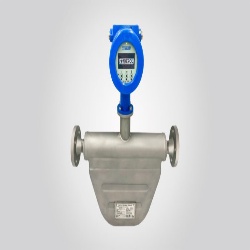
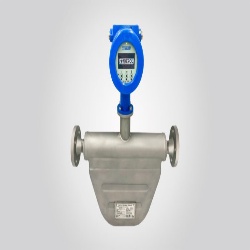
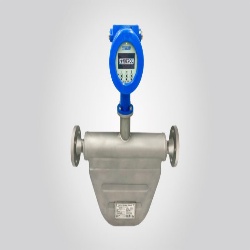
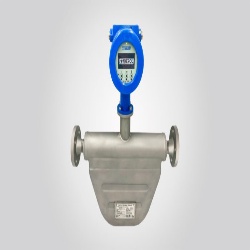
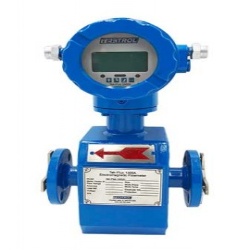
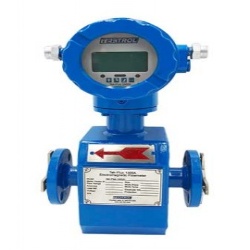
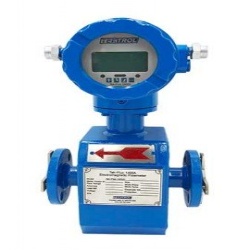
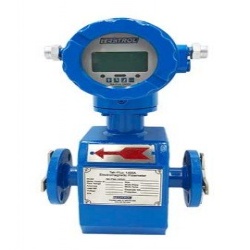
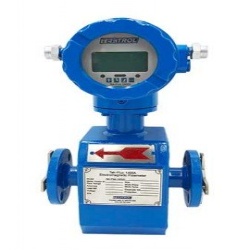
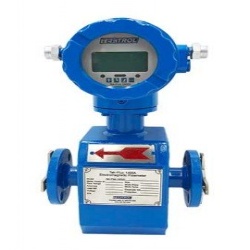
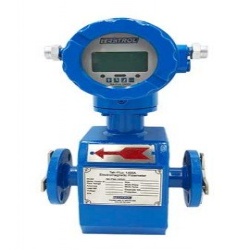
The Tek-Trol product lineup includes ultrasonic, electromagnetic (magnetic), vortex, and Coriolis flow meters, each designed for specific process requirements. Electromagnetic flow meters, such as the EFM 2000 series, are well suited for conductive liquids and slurries, offering consistent performance with minimal pressure loss. Vortex flow meters, including the VFM 2000 series, provide reliable measurement of steam and gases in straight-run piping systems, while Coriolis meters like the CF 1000 deliver high-accuracy mass flow, density, and temperature measurement for demanding applications.
Tek-Trol flow meters are designed to maintain accuracy despite changes in flow profile, velocity, or fluid properties. Their rugged construction, advanced signal processing, and stable measurement performance make them suitable for continuous operation in harsh industrial environments where measurement reliability is essential.
FAQs
Q: What types of flow meters does Tek-Trol offer?
Tek-Trol offers ultrasonic, electromagnetic, vortex, and Coriolis flow meters for measuring liquids, gases, steam, and mass flow.
Q: What applications are Tek-Trol magnetic flow meters used for?
Tek-Trol electromagnetic flow meters are commonly used for conductive liquids and slurries in water treatment, chemical processing, mining, and industrial process applications.
Q: Are Tek-Trol vortex flow meters suitable for steam measurement?
Yes, Tek-Trol vortex flow meters are designed for reliable gas and steam measurement, particularly in straight-run piping installations.
Q: When should a Coriolis flow meter be used?
Coriolis flow meters are used when high accuracy is required for mass flow, density, and temperature measurement in precision industrial processes.
Q: Are Tek-Trol flow meters suitable for industrial automation systems?
Yes, Tek-Trol flow meters are designed for integration into industrial automation and control systems, supporting consistent and reliable process monitoring.
Why Buy Tek-Trol Flow Meters from RSP Supply
RSP Supply offers a dependable selection of Tek-Trol flow meters engineered for accurate, stable measurement in industrial process environments. Customers rely on RSP Supply for access to advanced Tek-Trol flow technologies that support reliable automation, process control, and long-term system performance.