

Beijer Whip Antennas
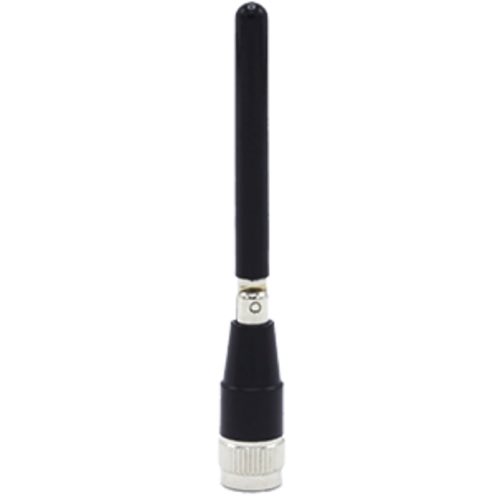
Beijer whip antennas are designed to provide reliable wireless and cellular connectivity in industrial environments where rugged construction, flexible mounting, and stable signal performance are essential. RSP Supply offers Beijer whip antennas for applications including SCADA systems, remote monitoring, machine-to-machine communication, industrial IoT, and cellular networking. These antennas are commonly used in automation, utilities, transportation, and industrial communication systems where dependable omnidirectional coverage is needed.
Whip antennas radiate vertically polarized signals in a 360-degree pattern across the horizontal plane, making them well-suited for applications that require broad-area communication rather than focused directional transmission. Beijer whip antennas are often used in warehouses, manufacturing facilities, mobile equipment, and remote installations where multiple devices or base stations must remain connected within range. Their flexible form factor and practical mounting options make them easy to integrate into a wide range of industrial wireless systems.
Many Beijer whip antennas are available in wideband, LTE, cellular, and 900 MHz ranges, supporting compatibility with industrial radios, gateways, and IoT modems. Typical gain levels between 2 and 5 dBi help provide a practical balance between range and coverage for both stationary and mobile applications. With designs intended to minimize interference and support efficient signal transmission, Beijer whip antennas help maintain reliable communication across modern industrial and cellular networks.


FAQs
Q: What are Beijer whip antennas used for?
Beijer whip antennas are used for reliable wireless communication in industrial, IoT, and cellular applications such as SCADA systems, remote monitoring, and machine-to-machine connectivity.
Q: How do whip antennas work?
Whip antennas radiate signals vertically in an omnidirectional pattern, providing 360-degree coverage that allows consistent communication with multiple devices or base stations within range.
Q: What frequency ranges do Beijer whip antennas support?
Beijer whip antennas are available in several frequency ranges, including wideband, LTE, cellular, and 900 MHz bands, making them compatible with industrial radios, gateways, and IoT modems.
Q: What is the typical gain of a Beijer whip antenna?
Most Beijer whip antennas provide gain levels between 2 and 5 dBi, offering a balance between range and coverage ideal for both stationary and mobile applications.
Q: Can Beijer whip antennas be used for LTE and cellular applications?
Yes. Many Beijer whip antennas are designed as wideband or multiband units, covering LTE, 4G, and 5G cellular frequencies for industrial wireless and IoT communication.
Why Buy Beijer Whip Antennas from RSP Supply
RSP Supply offers Beijer whip antennas for customers who need dependable wireless and cellular communication in industrial automation, remote monitoring, and IoT applications. With antenna options designed for omnidirectional coverage, rugged operation, and broad compatibility with industrial radios and cellular equipment, customers can source practical solutions for a wide range of communication needs.