

Eaton Terminal Blocks
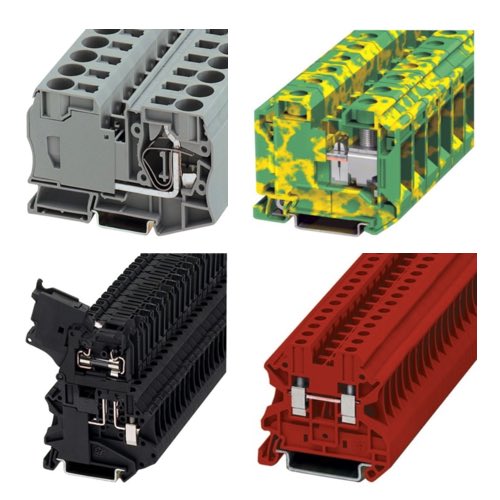
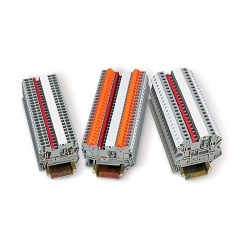
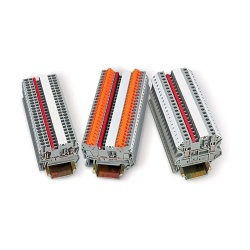
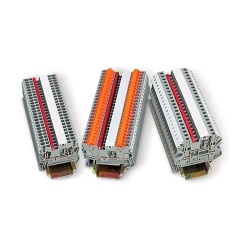
Eaton terminal blocks are engineered for safe, organized, and efficient electrical connections in industrial control panels, automation systems, and power distribution networks. Designed to simplify wiring while maintaining long-term reliability, Eaton’s terminal blocks ensure secure terminations that perform consistently even in harsh operating environments. Available in screw-type, spring-cage, and push-in configurations, Eaton terminal blocks provide maximum flexibility for panel builders and maintenance engineers. Their innovative designs reduce installation time, improve serviceability, and maintain excellent contact stability - delivering dependable performance under mechanical stress and vibration.
Trusted by professionals worldwide, Eaton’s terminal block solutions meet the highest standards for safety and usability. Whether used in industrial automation, process control, or electrical distribution, Eaton products deliver the performance and durability you expect from an industry leader.
Shop Eaton Terminal Blocks at RSP Supply and experience engineered reliability for modern electrical systems.
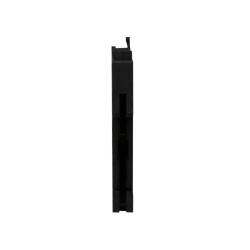
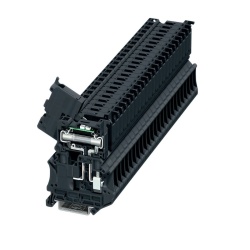
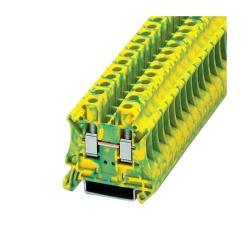
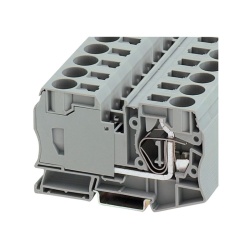
More Information about Eaton Terminal Blocks
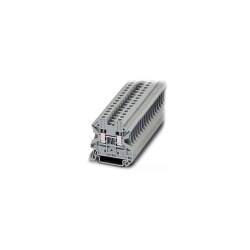
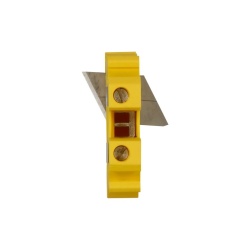
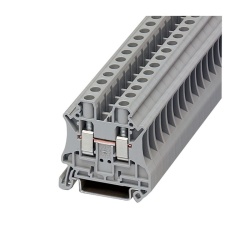
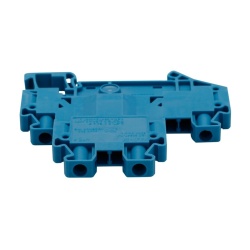
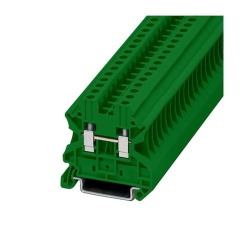
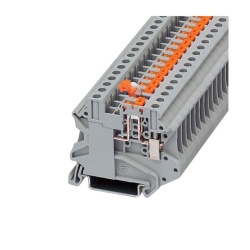
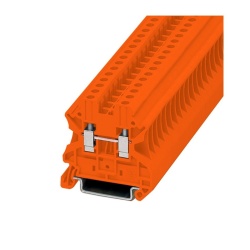
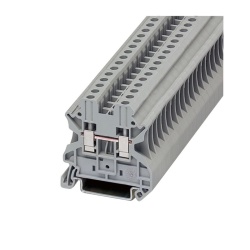
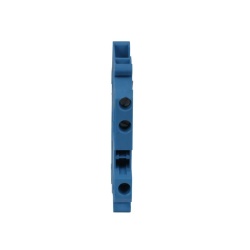
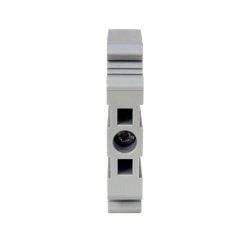
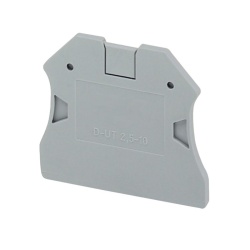
But this is not just about performance; electrical contractors have to work with these blocks too, and Eaton has paid serious mind to making these products appropriately accessible for the end-user. The XBUT terminal block, which is a series of compact feed-through terminal blocks, is a good case in point. If you were to open up an electrical assembly inside of, say, a control cabinet, you would find a mess of wires and connection points. That’s the part that lacks any kind of organization. But at least thanks to the XBUT self-explanatory design, we can say that the assembly has terminal blocks in it that work well and provide neat and tidy connections throughout the whole system.
FAQs
What types of Eaton terminal blocks are available?
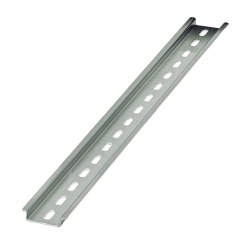
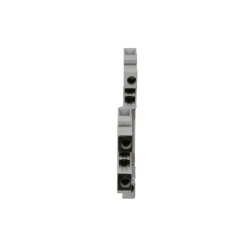
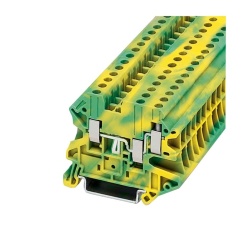
They provide many terminal block types: single‑level through‑feed, multi‑level, plus ground, fuse and disconnect blocks. XBUT terminal block series, a popular line, gives modular DIN‑rail mounting; so you can mix‑match setups depending on the circuit design and what it needs.
What is the current rating and rated voltage of Eaton terminal blocks?
Most Eaton terminal blocks are made for everyday control and power circuits; therefore they span from 10 amps up to 125 amps and from 300 volts up to a 1,000 volts.
Which wire gauge does Eaton terminal blocks accept?
Many models accept wire sizes from 24 AWG up to 2/0 AWG. Insulated ferrules are usually suggested; therefore you get tighter clamps and a joint that stays reliable for years.
What is a single-level through-feed terminal block?
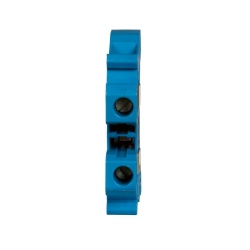
It's one of the most common connection types offered by Eaton. It allows for easy connections between two wires on the same level, simplifying installation and reducing wiring messes in crowded control panels.
Are Eaton terminal blocks compatible with other brands?
Yes, Eaton terminal blocks are designed to meet international standards such as IEC and UL, which makes them compatible with most standard DIN-rail systems and accessories.
Terminal Blocks: The Top 5 Things You Must Know
Is there a plan in place?
Make sure to have a proper plan in place for a specific application. With such a wide variety of terminal blocks available, it is important to use the correct types for various circuits. If the wrong types of terminal blocks are used, it could cause many issues, including possibly being very dangerous.
Is a disconnect necessary?
The most basic types of terminal blocks, simply act as a junction point. This allows current to pass through with nothing to stop it. However, if there is a need to stop current from flowing, some kind of disconnect will be required. There are a variety of different types of terminal blocks that have manual disconnects that can be used for this very purpose.
What about protection?
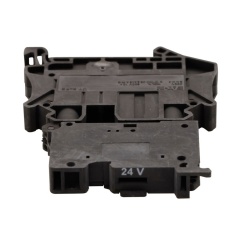
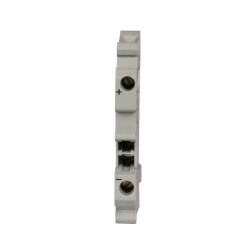
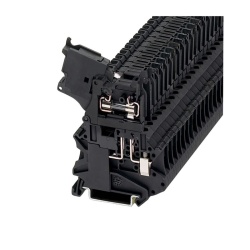
In many cases, devices connected to terminal blocks need protection. Terminal blocks that have a place for a fuses to be connected would be the ideal choice.
Is space limited?
In situations where there is very little room to accommodate the amount of IO that is need for a specific scenario, multi-level terminal blocks can wire multiple points or circuits in much less space than using single level terminal blocks.
Is grounding necessary?
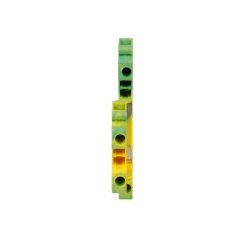
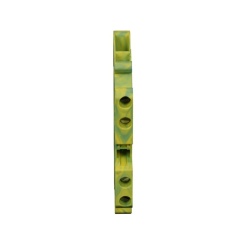
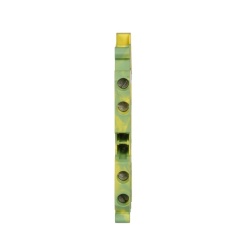
When doing any kind of electrical wiring, proper grounding is essential to make sure all components in that circuit function properly. There are several different styles of grounding terminal blocks to meet different scenarios.