

Schneider Electric AC Line Surge Protection
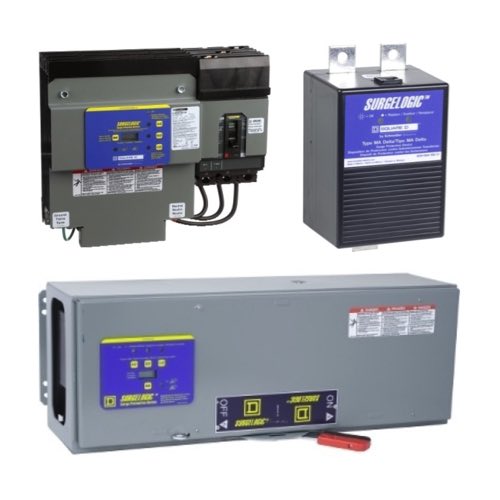
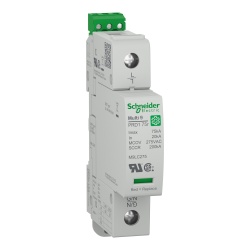
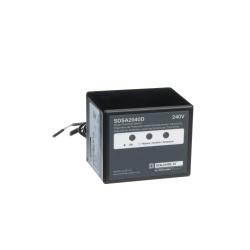
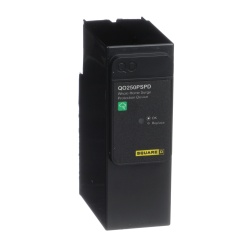
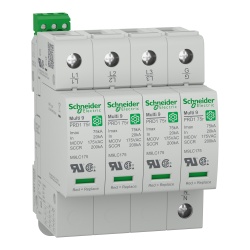
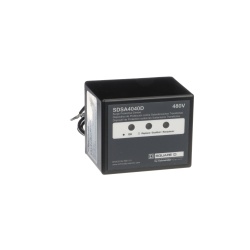
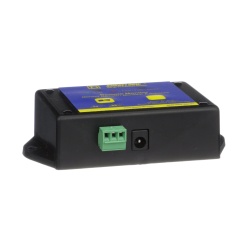
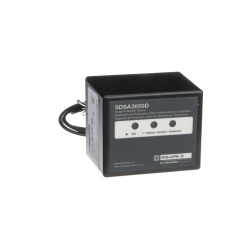
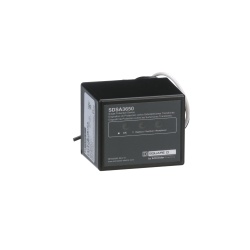
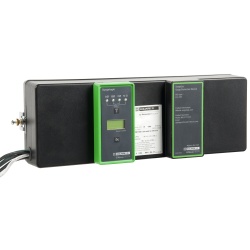
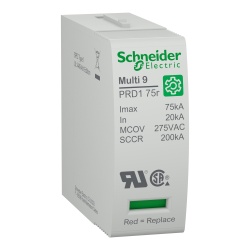
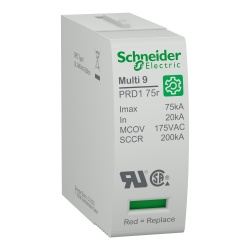
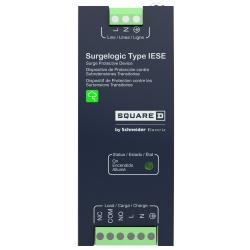
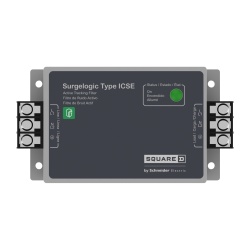
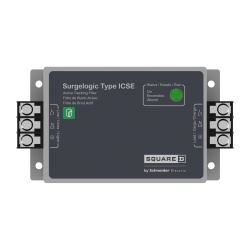
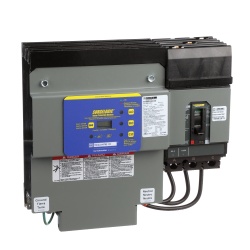
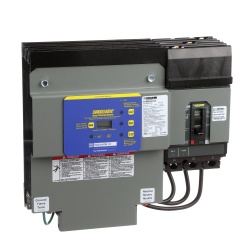
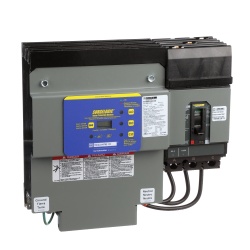
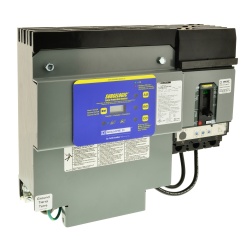
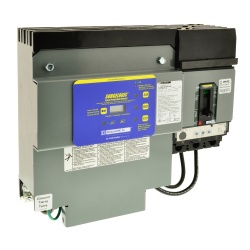
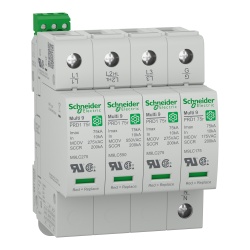
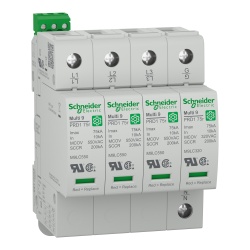
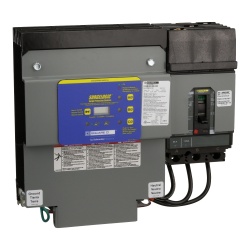
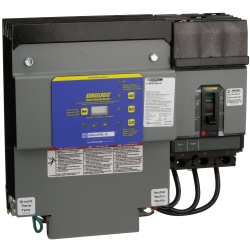
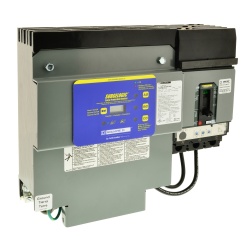
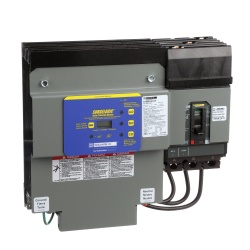
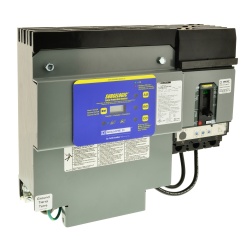
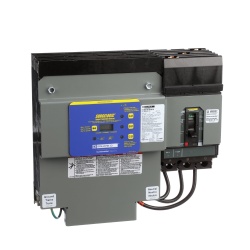
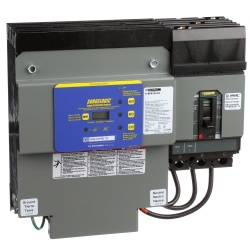
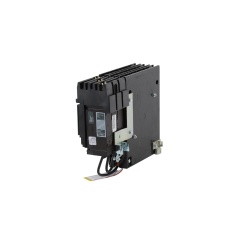
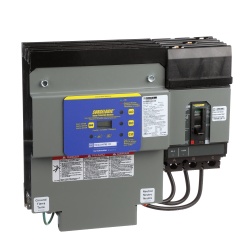
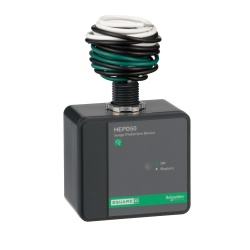
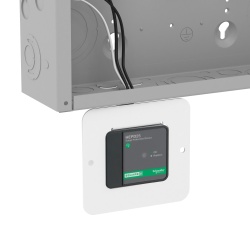
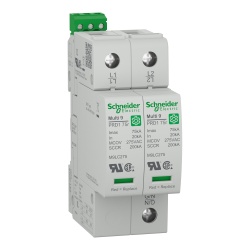
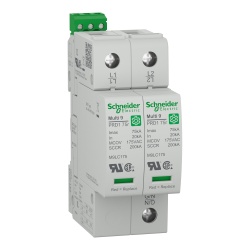
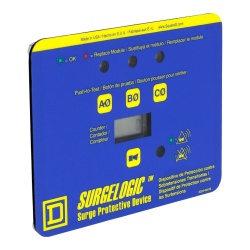
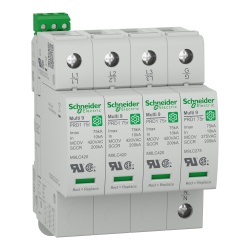
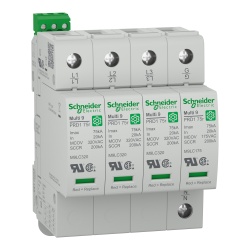
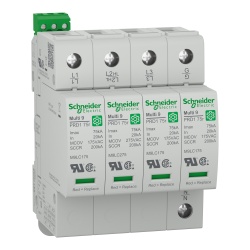
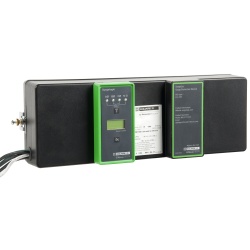
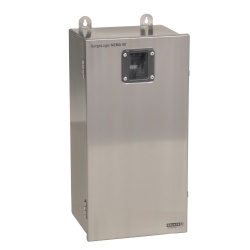
Schneider Electric surge protection devices (SPDs) are engineered to safeguard electrical systems, equipment, and sensitive electronics from transient overvoltages and power surges. These surges can result from lightning strikes, utility switching operations, or internal load changes such as motor start-up and shutdown. Without proper protection, these events can lead to equipment damage, system downtime, and reduced operational reliability.
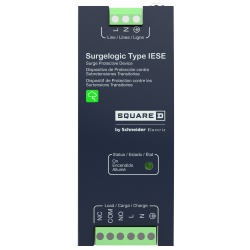
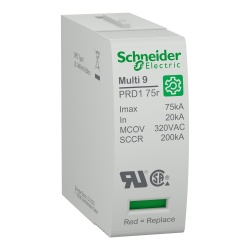
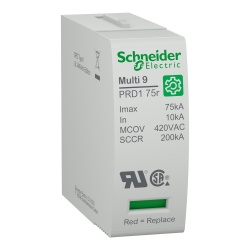
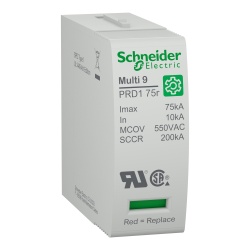
Schneider Electric offers both Type 1 and Type 2 surge protection devices to support layered protection strategies within electrical distribution systems. Type 1 SPDs are typically installed at the service entrance to protect against external surges originating from the utility grid or lightning. Type 2 SPDs are installed downstream at distribution panels or sub-panels to provide localized protection for connected equipment and branch circuits. These devices are designed with advanced thermal protection and fail-safe mechanisms to ensure safe operation even during severe surge events.
Surge protection solutions from Schneider Electric are widely used in residential buildings, industrial facilities, data centers, healthcare environments, and commercial infrastructures where continuous operation is critical. Many SPDs integrate with Schneider Electric electrical systems and support compatibility with EcoStruxure™ platforms, enabling monitoring, diagnostics, and proactive maintenance of surge protection assets.
FAQs
Q: What is a surge protection device (SPD)?
A surge protection device is designed to limit transient overvoltages by diverting excess voltage away from electrical systems and connected equipment.
Q: What is the difference between Type 1 and Type 2 SPDs?
Type 1 SPDs are installed at the service entrance to protect against external surges, while Type 2 SPDs are installed downstream to protect branch circuits and specific equipment.
Q: What causes power surges?
Common causes include lightning strikes, utility switching, motor and transformer operation, and sudden changes in electrical load.
Q: Where are Schneider Electric SPDs commonly used?
They are used in homes, industrial plants, data centers, healthcare facilities, commercial buildings, and critical infrastructure applications.
Q: What is a tiered surge protection approach?
A tiered approach uses multiple SPDs installed at different points in the system service entrance, distribution panels, and equipment level, to provide comprehensive protection.
Why Buy Schneider Electric Surge Protection Devices from RSP Supply
RSP Supply offers a complete selection of Schneider Electric surge protection devices, including Type 1 and Type 2 SPDs for residential, commercial, and industrial applications. Customers rely on RSP Supply for knowledgeable technical support and dependable sourcing of surge protection solutions designed to improve electrical system reliability and protect critical equipment.