

Surge_Protection_and_Grounding_for_Radio_Systems.pdf
Transcript:
[0m:4s] Hi I'm Josh Bloom, welcome to another video in the RSPSupply education series. If you find that these videos are helpful to you, it certainly helps us out if you could give us a big thumbs up and subscribe to our channel.
[0m:15s] In today's video, we are going to discuss surge protection. More specifically, we are going to be talking about surge protection that is used for coax antenna cables and some best practices we use when installing these systems, especially relating to how to ground these surge devices.
[0m:35s] For the case of this video, we are using an industrial control cabinet example that will use an industrial radio to communicate with other remote sites. It is important to keep in mind that there are several methods that can be used when providing surge protection to a radio antenna, and the method that we will discuss today is just one way that we have found to be effective.
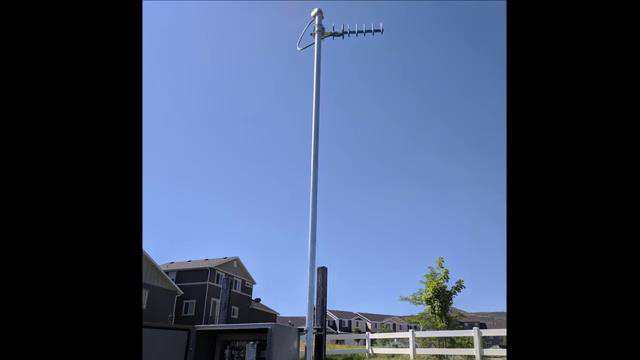
[0m:56s] First and foremost, it is important to keep in mind that when installing any radio antenna, it is going to be prone to electrical surge, especially through lightning strike when it is exposed to the elements. With any power surge, there are a few things that we want to happen in regards to this energy. One, we want to direct this surge to the ground as quickly and as easily as possible. Second, we want to absorb as much of the excess energy as we possibly can so that it does not enter our system and potentially damage vital components.
[1m:31s] So how do we accomplish these two things?
[1m:33s] First, when installing any radio equipment, it is a good idea to have a dedicated ground rod for that system. In the event of a lightning strike, this ground rod will give any energy somewhere to go that is very quick and easy, without having to enter your control system. This is very cheap insurance for your radio and other electrical hardware.