

Different_Hardware_Different_Protocols.pdf
Transcript:
[0m:4s] Hi, I'm Josh Bloom, welcome to another video in the RSP Supply education series. If you find that these videos are helpful to you, it certainly helps us out if you could give us a big thumbs up and subscribe to our channel. In today's video, we are going to be talking about communications between different electrical devices. More specifically, we want to discuss the various protocols and hardware that are used in many of the industrial, commercial, and manufacturing, environments that we see today. The purpose of this video is to help provide a simple understanding of some basic requirements that need to be met in order to properly communicate with the different devices in these types of environments and systems please keep in mind that the information we cover in this video is intended to provide basic foundational information and is not intended to replace proper communication and electrical instruction.
[1m:8s] It is important that you consult with a qualified person to ensure that your system is designed, built, and configured to all electrical codes and guidelines. With that said let's talk a bit more about some of the basic principles you need to understand when setting up communications between the different types of hardware. As mentioned in some of our other videos where we talk about communication protocols, it is important to understand that there are many different protocols that exist today.
[1m:40s] Some protocols are specific to the type of industry that you work in. For instance, many of the protocols that we will mention in this video are specific to industrial and manufacturing environments.
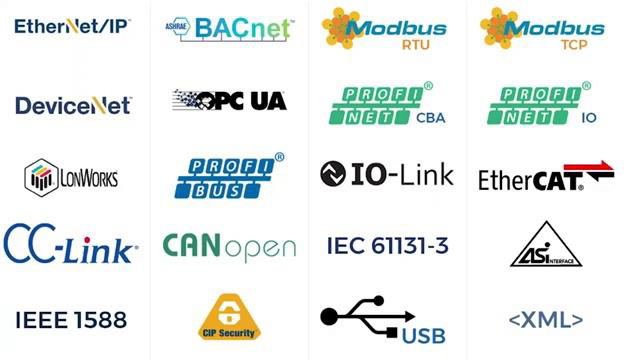
[1m:54s] While this is not always the case, most of the time the protocol that is being used is intended for a specific application or a specific type of communication. One of the most important things to remember, especially when talking about communication and industrial applications, is that different hardware manufacturers typically use different communication protocols.
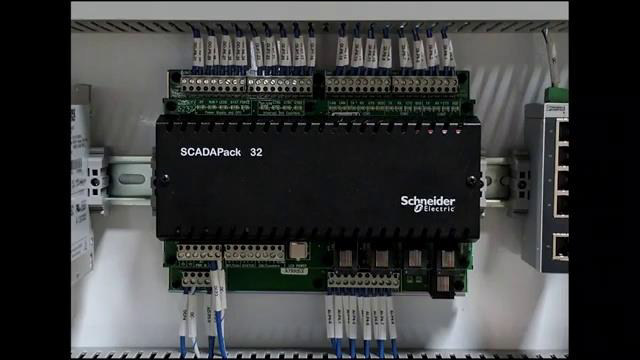
[2m:19s] This can be confusing because many of these devices are designed to perform similar functions such as a PLC. While the form factor and software used to program these devices such as PLCs are different,
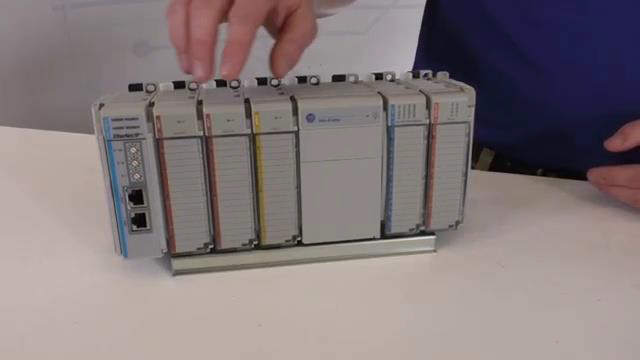
[2m:33s] they function in much the same way.
[2m:35s] With that said, it is important to understand that when planning a new system or trying to integrate new hardware into an older system, the various communication protocols in each piece of hardware might be different. Armed with that knowledge. You typically do have the ability to find hardware that will integrate well with each other, or in other words use the same protocol or speak the same language. When designing a new system, this can be very helpful. Let's assume that a client is wanting to use a Modicon PLC for a new plant environment.
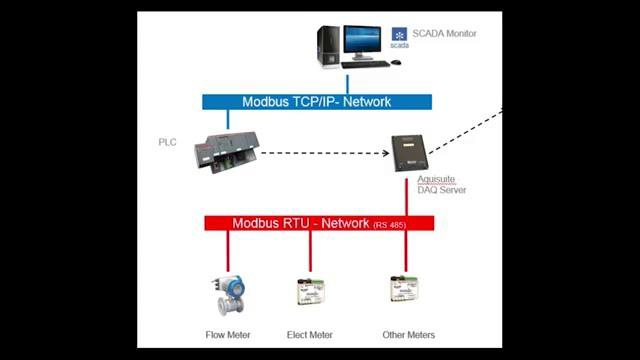
[3m:10s] Modicon PLCs use the Modbus protocol.
[3m:14s] So, when trying to integrate other types of hardware into this system, it would be advantageous to select hardware that uses the Modbus protocol. If a situation is encountered where various pieces of hardware use different communications protocol,
[3m:31s] they will not be able to communicate with each other. In this scenario, it would be necessary to use another piece of hardware
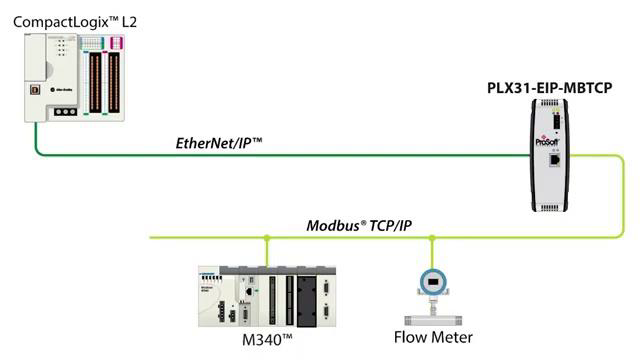
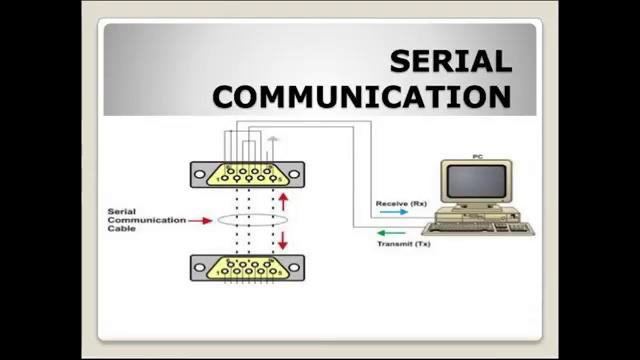
[3m:40s] that can interpret one communication protocol and convert it to another type of protocol. These converters are very common and are used all the time to deal with these types of issues. While it is beneficial to try to match hardware that uses the same protocol, this is not always possible. Another important factor to consider is if the protocols being used are either serial or Ethernet based protocols.
[4m:6s] As mentioned in our example, Modicon PLCs typically use the Modbus protocol.
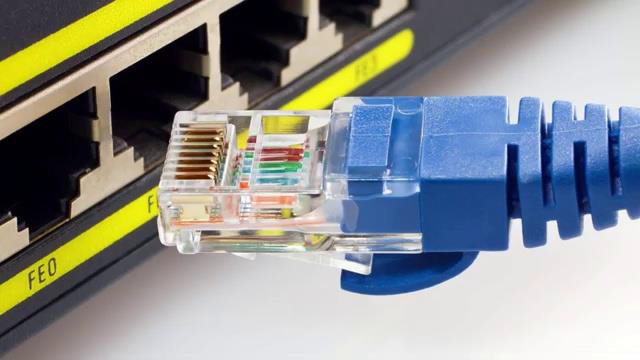
[4m:12s] But Modbus can be found in both serial protocols such as Modbus RTU, and in ethernet based protocols such as Modbus TCP. So, it is important to not just assume that because the hardware being used is from the same manufacturer that the same protocol is being used.
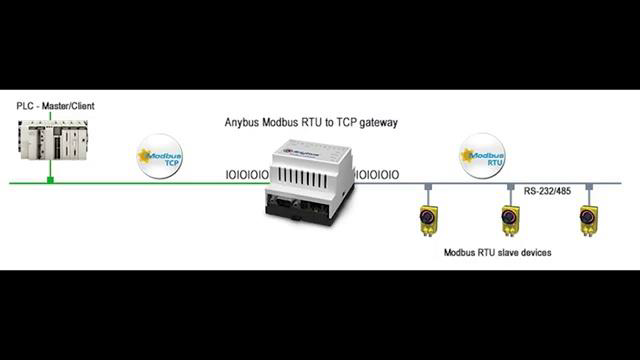
[4m:31s] If the hardware is older, there is a good chance that it is using a serial based protocol,
[4m:37s] which would not properly communicate with a lot of the newer hardware that is being used today. So let's look at the things you need to remember to avoid problems when talking about proper communications. First, look to see what existing protocols might already be in place before any new hardware is purchased. This knowledge can assist in selecting the right type of hardware that will be able to communicate with existing hardware without the need for any communications converting devices. Secondly, when designing new systems, try to select hardware that comes from the same manufacturer if possible. If that is not possible, try to select hardware that uses the same protocol.
[5m:22s] Lastly, make sure you pay attention and understand if the communication methods that are being used are serial or ethernet based protocols and select your hardware based off of that information. If needed, communication converters can be used to bridge any gaps that you may encounter. By following some of these simple guidelines, you will ensure that the different hardware within your system communicates as expected with very few or no issues along the way. For a full line of communication hardware and thousands of other products please go to our website. For more information or other educational videos, go to RSPSupply.com, the Internet's top source for your industrial hardware. And also, don't forget: like and subscribe.