What_is_an_RTD_(Resistance_Temperature_Detector).pdf
What is RTD?
- RTD stands for Resistance Temperature Detector.
- RTDs use a specific type of metal that, depending on the resistance measured in that metal, can determine its temperature.
- The actual measurement occurs at the element.
- There are many different types of RTD elements:
- Thin-Film Element
- Wire Wound Element
- Coiled Element
- and many others
How do they work?
- It is based on the correlation between metal temperature and resistance.
- As the temperature of a metal increases, the metal's resistance to the flow of electricity increases.
- Each metal has a certain resistance measurement at different temperatures.
- Based on the resistance that is measured in a given type of metal, we can determine what the temperature is.
- The most common metals used in RTDs are platinum, nickel, or copper.
Advantages and Disadvantages of an RTD
- They can provide a very high level of accuracy.
- They have a very wide operating range.
- Because of their high accuracy level, they are often used in situations where temperature measurement is critical.
- Rarely used at temperatures above 660°C.
- At lower temperatures, RTDs do not provide the same level of accuracy.
Transcript:
[0m:4s] Hi I'm Josh Bloom, welcome to another video in the RSP Supply education series. If you find that these videos are helpful to you, it certainly helps us out if you could give us a big thumbs up and subscribe to our channel.
[0m:15s] In today's video, we are going to talk about a device that is used commonly in industrial applications for collecting temperature data.
[0m:23s] I am not talking about a thermistor or thermocouple, I am talking about a resistance temperature detector, or sometimes commonly referred to as an RTD.
[0m:34s] An RTD is a type of input signal commonly found in industrial monitoring situations. The same types of situations where you might find basic digital and analog signals coming into a PLC. Much like those digital and analog signals, depending on the PLC hardware that is being used, you can also input RTD signals into the PLC accurately to read temperature data in many different applications.
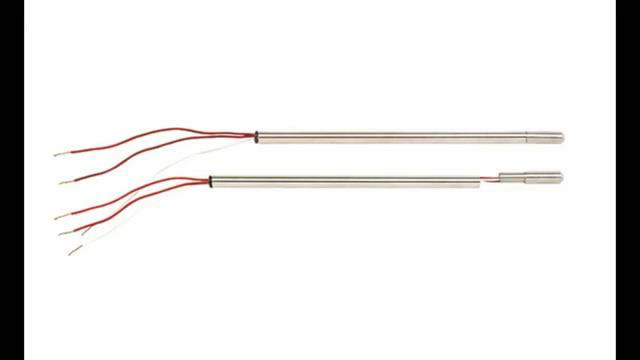
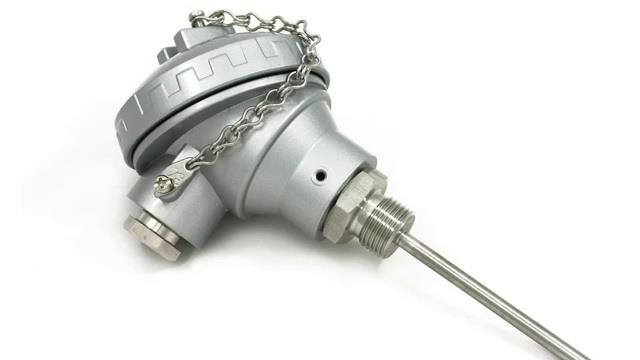
[1m:2s] In this video we will talk about what hardware makes up the RTD and how it works. …