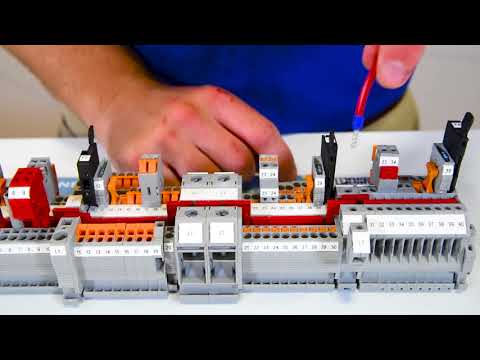
We have all seen this type of wire connection: exposed twisted wires.
- Does it work? Yes.
- It allows electricity to flow.
- It is NOT safe — messy and unreliable.
An improvement on that connection would be a wire nut.
- Much more safety.
- More secure.
- Not terribly organized, but gets the job done.
An even better solution would be a terminal block. It functions like the above examples, but:
- Commonly used in industrial and commercial applications.
- Much safer.
- More secure.
- Allows more connection options.
- Keeps wires organized.
Types of Terminal Blocks
Single Level Pass Through
Used to connect two wires together at a junction point. Helpful when disconnecting or isolating components. Most common in industrial applications.
Ground Terminal Blocks
Function like pass-through blocks, but are grounded. Provide a metal connection from wire termination to the panel clamp for grounding without extra wiring.
Fused Terminal Blocks
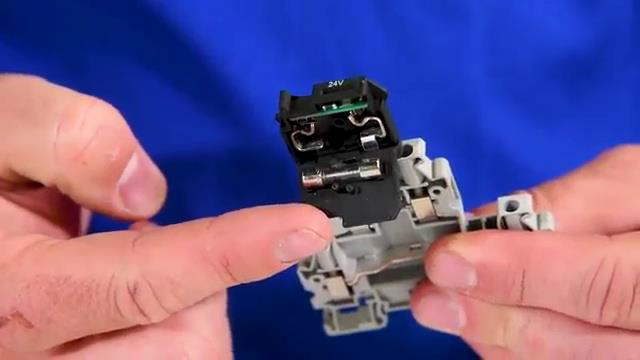
Pass-through design with a built-in fuse to protect against excessive voltage or current.
Multilevel Terminal Blocks
Provide multiple connection levels within the same block. May include fuses and grounding features.
Disconnect Terminal Blocks
Include a lever to stop the flow of electricity. Unlike fused blocks, they don’t provide surge protection but serve as a permanent disconnect.
Transcript
[0m:4s] Hello I'm Josh Bloom, welcome to another video in the RSP Supply education series. Today’s video is about terminal blocks. To illustrate what they are, let’s compare with familiar connections.
[0m:19s] Two twisted wires: electricity flows, but unsafe and unreliable. With a wire nut: safer, secure, still functional. Terminal blocks: the industrial solution — secure, safe, preferred for control cabinets.
[1m:2s] Single-level pass-through blocks: connect conductors end-to-end, common for distributing power/signals. Ground terminal blocks: similar but grounded to DIN rail. Fused blocks: add a fuse for protection and can disconnect. Multilevel blocks: compact, multiple connections, sometimes combined with fuses.
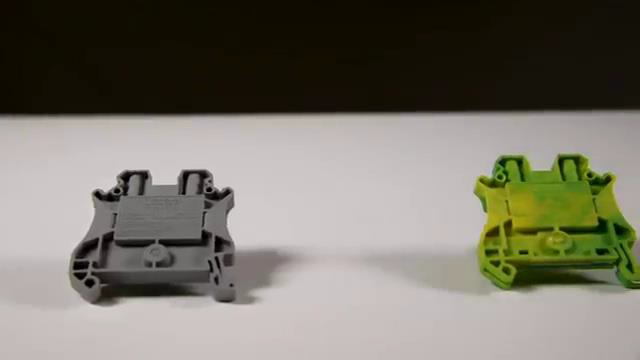
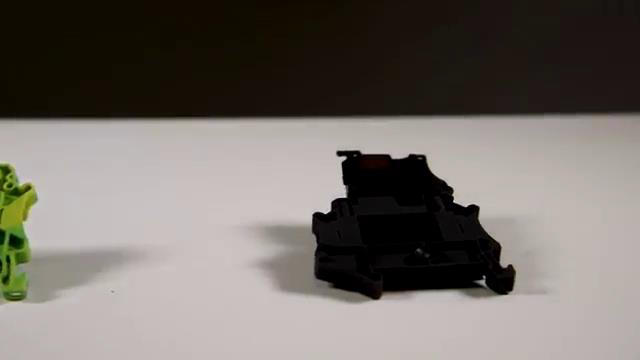
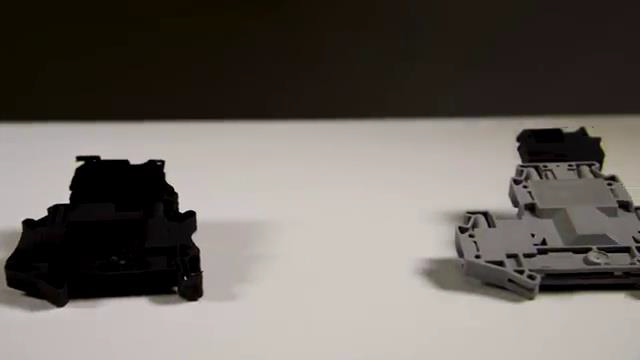
[2m:58s] Example: a two-level block. Bottom is pass-through, top includes a fuse. Power can be disconnected by removing the fuse.
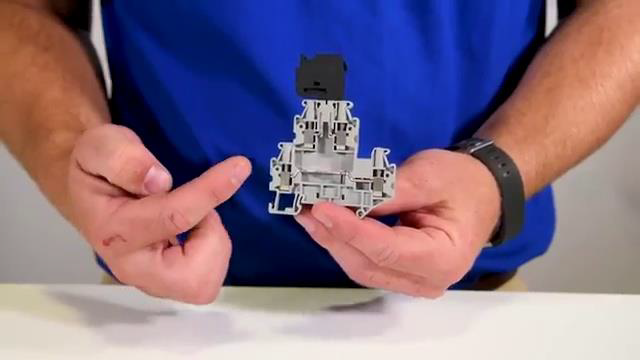
[3m:35s] Terminal blocks provide safety, durability, and organization in panels. Single-level, ground, fused, and multilevel blocks can all be found in practice.
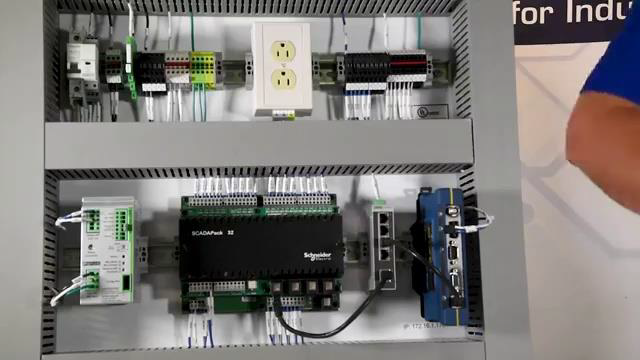
[4m:36s] Example: ground terminal blocks connected to multiple components. Fuse blocks distributing DC power. Multilevel blocks saving cabinet space and often fused for protection.
[5m:7s] Multilevel blocks connect instruments requiring multiple wires, saving space while ensuring safe, organized, durable wiring. For more information and products, visit RSPSupply.com.