

Trip_Curve_Basics___Part_1.pdf
Transcript:
[0m:4s] Hi I'm Josh Bloom, welcome to another video in the RSPSupply education series. If you find that these videos are helpful to you, it certainly helps us out if you could give us a big thumbs up and subscribe to our channel.
[0m:16s] In today's video we are going to be talking about a sometimes confusing topic.
[0m:21s] However, with a basic level of knowledge and understanding, this topic can be much easier to comprehend.
[0m:27s] I am referring to what is known as a trip curve.
[0m:31s] Trip curves reference some basic functional requirements found in circuit protection devices, specifically circuit breakers. For the purpose of this video, we will focus on one type of circuit breaker known as a miniature circuit breaker. However, please note that there are many different types of circuit breakers which will all follow some version of the trip characteristics we will cover in this video. As always, please understand that the information presented in this video is intended to provide you with a basic overview of how trip curves behave and why we use them. However, it is in no way a replacement for proper electrical instruction. With that said, let's take a closer look at what trip curves are and how we use them to ensure that the electrical circuits we use on a daily basis behave safely and function as intended. Before we get too far into the actual trip curves, let us first talk about how a miniature circuit breaker works.
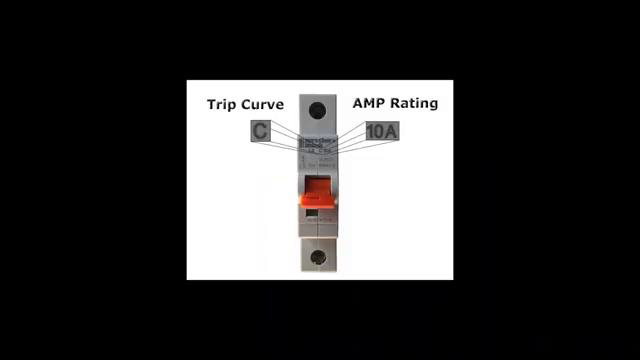
[1m:33s] There are two critical elements in these types of breakers that provide the devices on the circuit the protection that they actually need. The first is a bimetal strip.
[1m:43s] This strip has two dissimilar metals attached to one another. When a prolonged overcurrent occurs, these metals begin to bend.
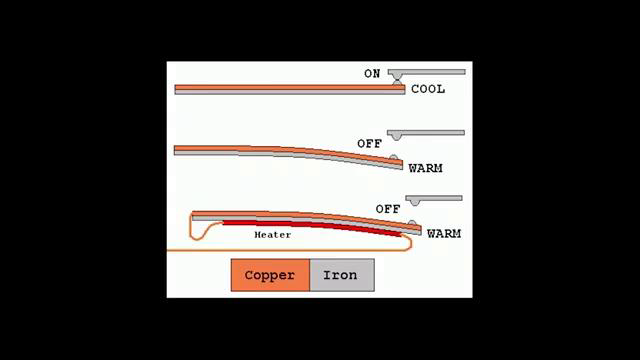
[1m:52s] Because the metals are different, the rate at which they bend is different,
[1m:57s] therefore causing the strip to bend.
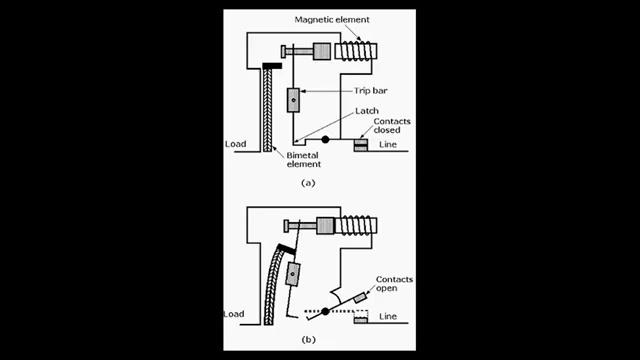
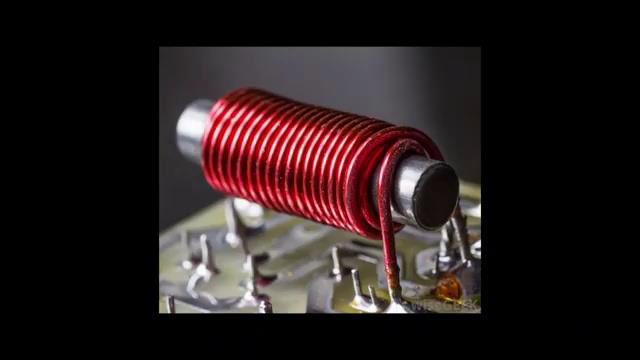
[2m:0s] If this bending occurs long enough, the bending strip will disrupt the electrical contacts inside the breaker, thereby tripping the breaker. The other protection level in this kind of breaker is a coil or solenoid. This device is designed for larger overcurrent events that you might see in a short circuit or lightning strike.
[2m:22s] When a large overcurrent event occurs, the plunger in the solenoid is actuated, thereby tripping the breaker. It is both the prolonged overcurrent protection we see from the bimetal strip, and the higher spikes in voltage and current protection we see from the solenoid that make up the circuit breaker’s trip curve. How fast or slow these events occur determines the shape of the curve. A trip curve is simply a graphical representation
[2m:54s] of the expected behavior of a circuit protection device, in this case, a circuit breaker.
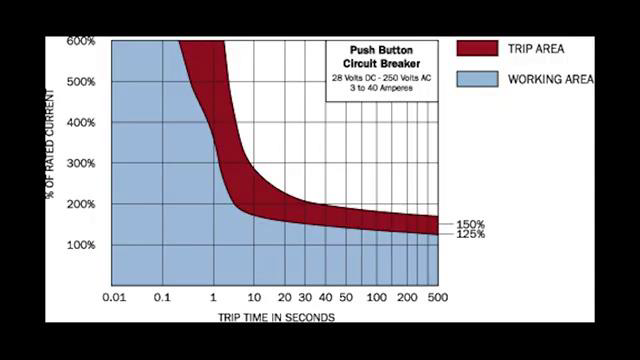
[2m:59s] This graphical representation looks at two separate pieces of data to provide us with the information needed to understand when a given breaker will trip. The first piece of information is time.
[3m:13s] More specifically, the time the circuit breaker sees a certain amount of overcurrent. The second piece of information that is needed is the amount of current that is passing through the breaker. In this case, how much more current is passing through the breaker than the protection device is actually rated for. This graphical scale is typically logarithmic in nature, which can accurately show all the data necessary for both the time and overcurrent components.
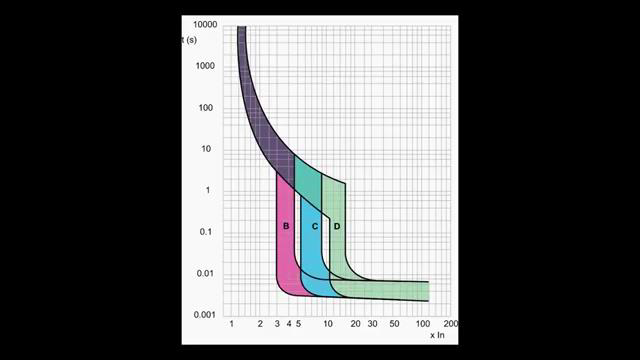
[3m:43s] It is this type of scale that gives us the actual curve on the trip graph. Now that we know what a trip curve is and what data is needed to determine whether a protection device will trip, let's talk about why we have devices with different curves.
[4m:0s] When talking about electrical loads, we know that there are a few different types, such as inductive, capacitive, and resistive.
[4m:8s] All these loads behave differently and therefore consume power differently.
[4m:13s] Because of these differences, it is necessary to ensure that the circuit protection devices that are used adapt to these types of loads.
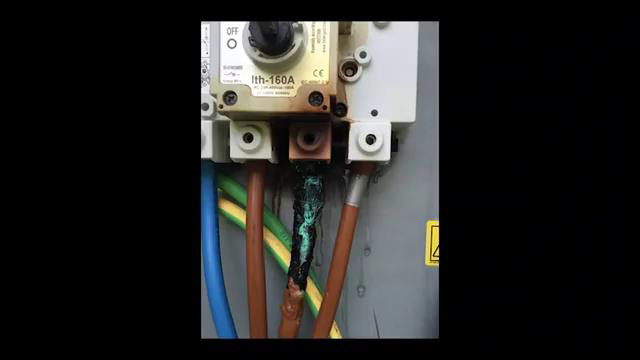
[4m:23s] If we did not have different trip curves, it could potentially cause a few major problems depending on the type of load you were powering. The first problem is allowing a prolonged overcurrent event to occur for too much time. This prolonged overcurrent can damage the devices on the circuit and worse yet,
[4m:44s] can cause the wire to overheat, potentially leading to an electrical fire. The other common issue that can occur would be nuisance trips.
[4m:54s] This is when the breaker trips prematurely. This occurs when the load on a given circuit draws a high level of inrush current,
[5m:2s] and the circuit protection device is not designed to handle it. The outcome of this scenario is a breaker that will constantly trip and needs to be reset often. This is very common with inductive loads and is why certain types of breakers need to be used. By understanding this information, it becomes very clear that using circuit breakers with different trip curves is essential for the safety of workers and the devices that we are powering.
[5m:30s] It is also essential for the proper function of the electrical circuits that we use and rely on every day.
[5m:37s] In our next video in this brief series, we will talk about the different types of common trip curves and in what scenarios we might see them being used in.
[5m:45s] So please make sure to look out for that video when it becomes available. For a full line of industrial electrical hardware as well as thousands of other products, please go to our website. For more information or other educational videos, go to RSPSupply.com, the Internet's top source for industrial hardware. Also, don't forget: like and subscribe.