
SCADA___Learning_the_Basics.pdf
Transcript:
[0m:4s] Hi I'm Josh Bloom, welcome to another video in the RSP Supply education series. If you find that these videos are helpful to you, it certainly helps us out if you could give us a big thumbs up and subscribe to our channel.
[0m:16s] In today's video we are going to talk about a system that is used all over the world in both industrial and commercial applications.
[0m:26s] These types of systems have existed and have been used in some capacity since the 1960s.
[0m:33s] I am referring to SCADA systems.
[0m:37s] While these systems can be fairly complex, for the purpose of this video, we intend to cover the basic principles and functions of how one of these types of systems is intended to be used, and how they can help in providing the necessary information and control needed to operate some of the most complicated environments that you can imagine.
[0m:59s] By the end of this video, we hope you have a solid understanding of why we use SCADA, how it works, and in what applications it is most commonly used in.
[1m:10s] The acronym SCADA stands for Supervisory Control and Data Acquisition,
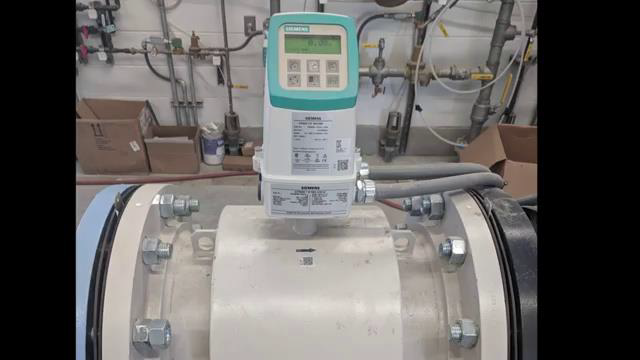
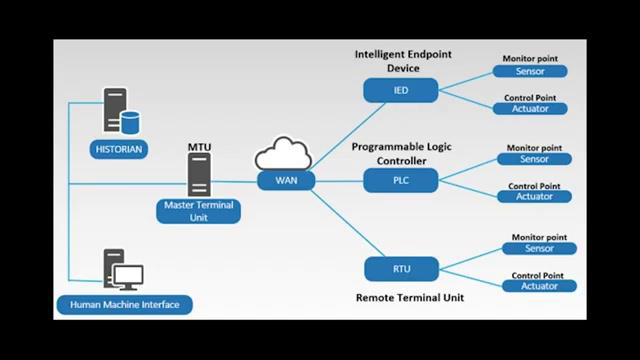
[1m:18s] and a SCADA system is a combination of both hardware and software that allows you to monitor various devices that provide information about specific environments or processes.
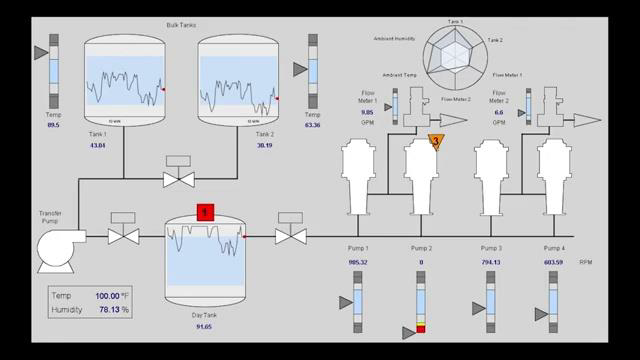
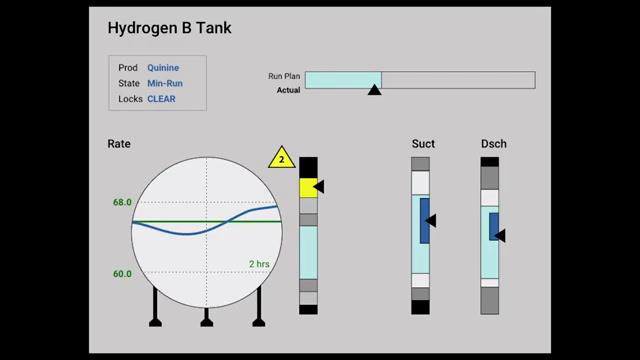
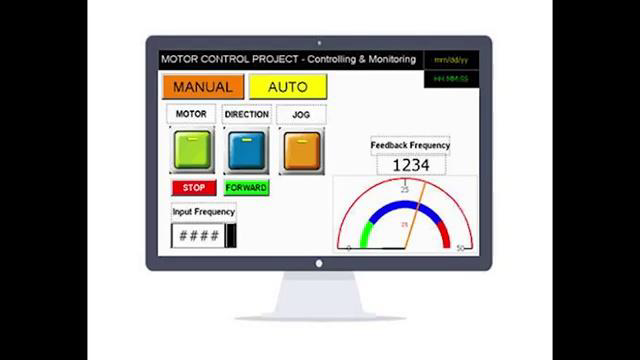
[1m:31s] This information is transmitted through logic controllers or other smart devices, and is then sent to software interfaces known as an HMI where the information is displayed in a way that individuals can read and interpret the data that is being acquired. SCADA is not only used for monitoring, it is also used for control.
[1m:55s] Through SCADA, it is possible to manipulate, move, or change the state of certain devices on the SCADA network.
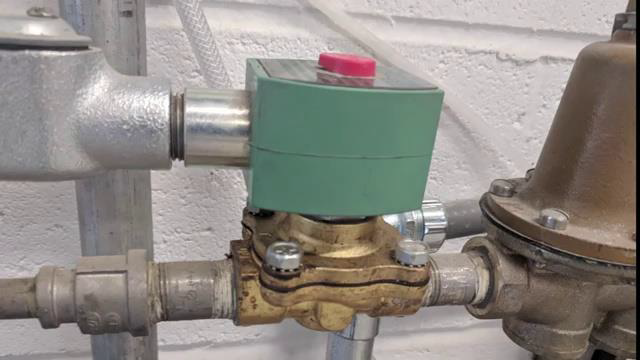
[2m:3s] For example,
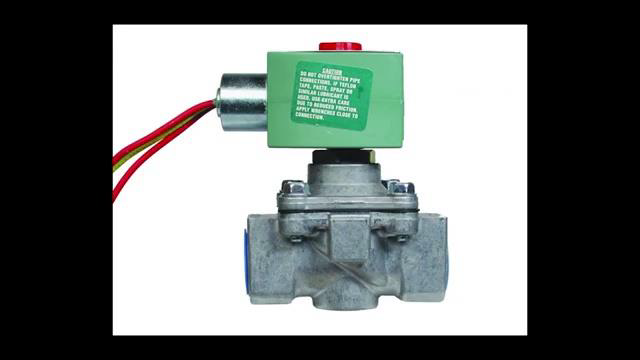
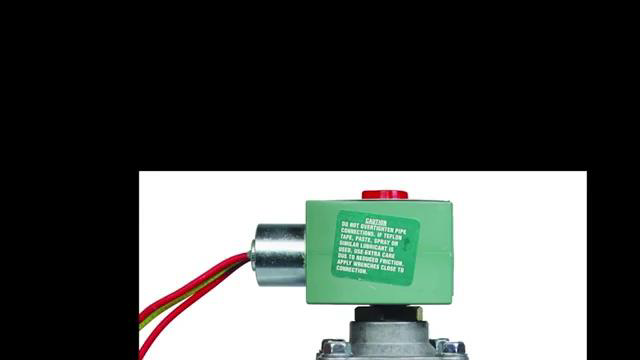
[2m:5s] it is possible to initiate a command through the HMI software that will energize or deenergize a solenoid valve, thus changing its state.
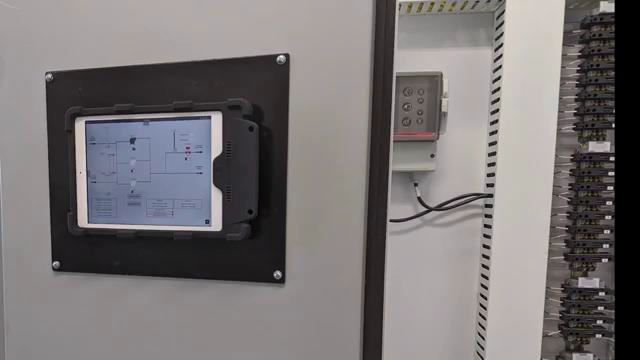
[2m:15s] These examples of SCADA system's ability to monitor and control are an oversimplification, of course. In most scenarios, there are dozens, hundreds, or even thousands of points throughout the location or multiple locations that are being monitored and controlled through SCADA.
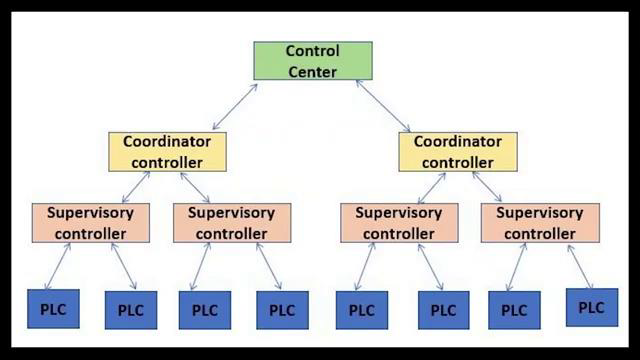
[2m:33s] As mentioned before, SCADA requires a combination of both hardware and software.
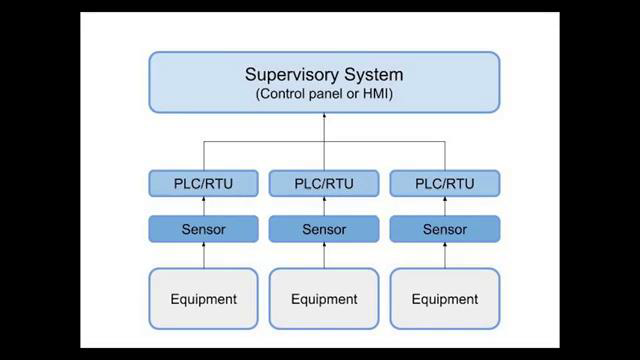
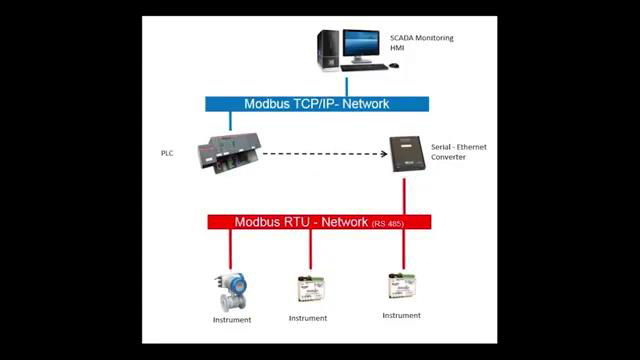
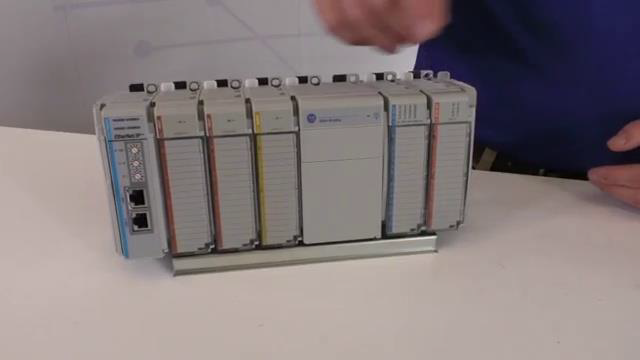
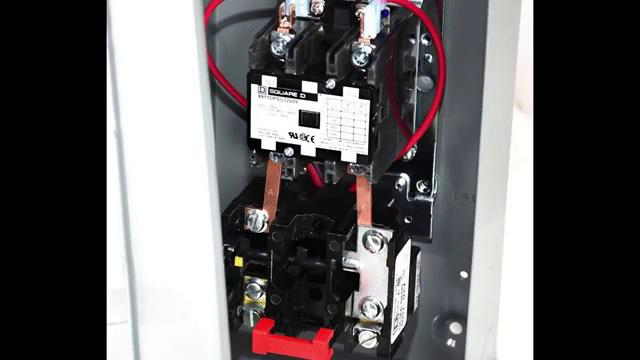
[2m:40s] Examples of hardware that are used in SCADA systems would be PLCs, which can act as a bridge between the hardware and software, and also provide data transmission and network communications. Other common hardware includes:
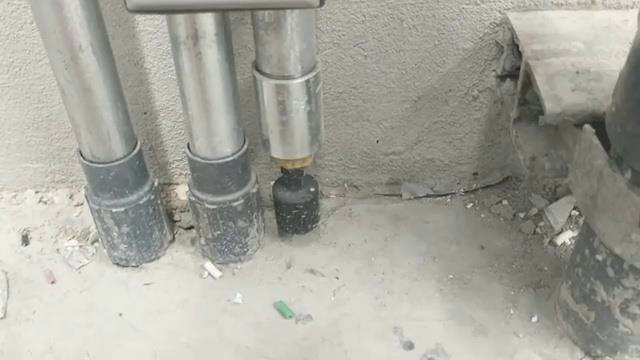
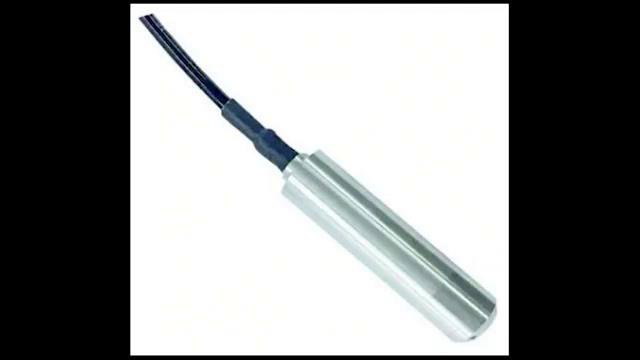
[2m:56s] field monitoring and control devices, such as limit switches, temperature transmitters, pressure transmitters, solenoid valves, chemical monitoring devices, motor starters, and the list goes on and on.
[3m:10s] The software that is used is again referred to as an HMI or human machine interface.
[3m:17s] It is most common to see the software being used in a central location like a control room.
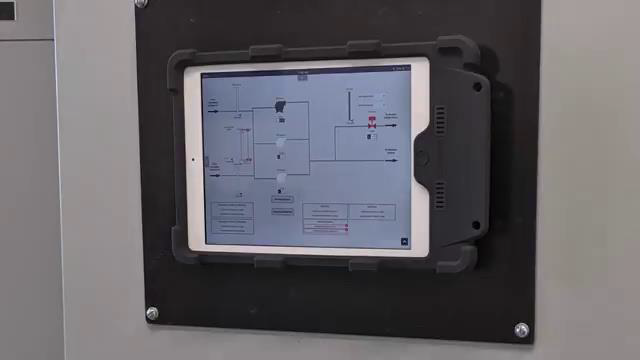
[3m:24s] However, many HMIs can provide remote interface through a cellular device or tablet,
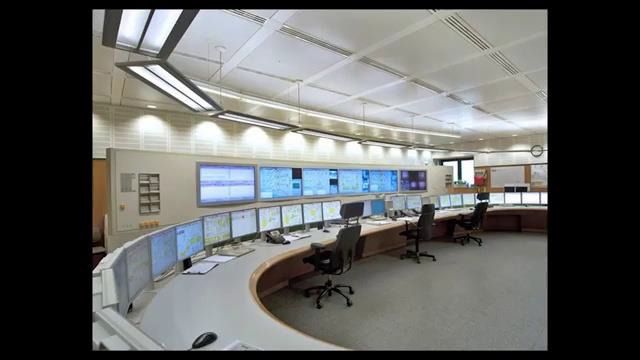
[3m:30s] or even throughout the various locations in your system through local screens known as OIT, or operator interface terminals.
[3m:40s] This HMI software receives data throughout your system, and it organizes it in a way that it can be easily interpreted.
[3m:49s] It can also historize your data and provide valuable trending information that may be critical to your process.
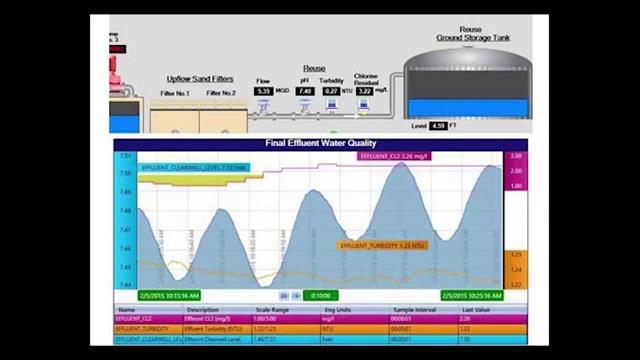
[3m:57s] This HMI software can also provide control
[4m:1s] based off of the information it receives.
[4m:3s] This control may be automatic or manual, depending on how the program is intended to function.
[4m:10s] There may be cases where information that is being monitored never actually reaches the HMI software.
[4m:17s] It is handled on the hardware level only, for example, by a PLC.
[4m:22s] In a SCADA system you can choose which information is utilizing the HMI software,
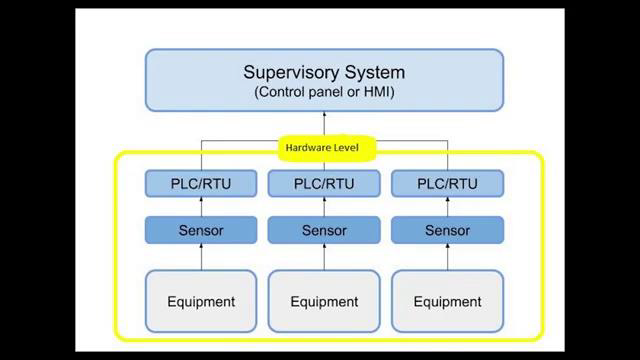
[4m:28s] and which information stays on a hardware level. SCADA systems can be found in many different industries such as telecommunications, water and wastewater,
[4m:39s] energy, oil and gas refining, and transportation. These systems can be used to monitor and control only a few simple points,
[4m:47s] or can be used in massive energy plants where tens of thousands of data points are being interpreted and controlled every minute.
[4m:56s] They can be controlled from large, complex control rooms or from your cell phone or tablet. It is a combination of hardware software and engineering that allows these systems to function in many different environments and industries.
[5m:11s] SCADA systems are used all over the world and have allowed us to increase the efficiency and safety in which we operate the world's most critical infrastructure. For a full line of industrial control and SCADA hardware and thousands of other products, go to our website. For more information or other educational videos, go to RSPSupply.com, the Internet’s top source for industrial hardware. Also, don't forget: like and subscribe.