

Industrial Pilot Lights
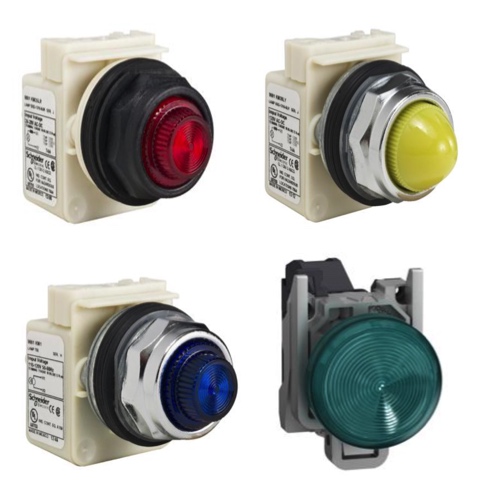
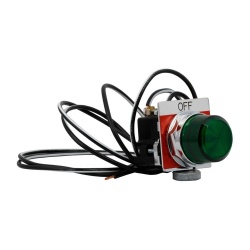
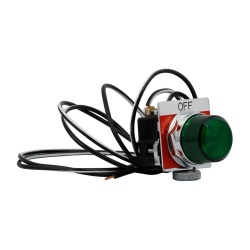
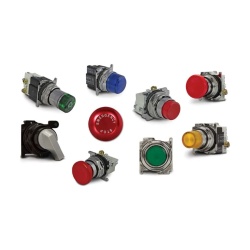
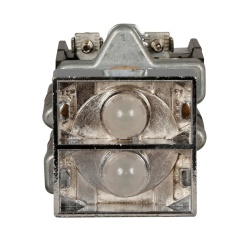
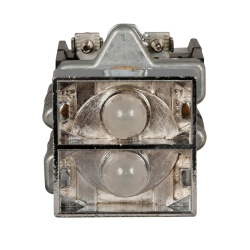
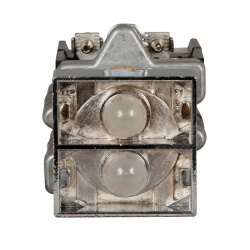
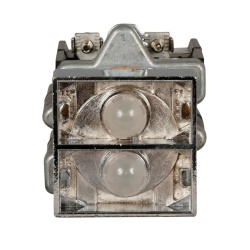
Industrial pilot lights are visual signaling devices used to indicate the operating status of electrical circuits, machinery, and control systems. Commonly installed in control panels, switchboards, and industrial equipment, pilot lights provide clear on/off indication, alarm signaling, and status feedback to operators. By offering immediate visual confirmation of system conditions, pilot lights help improve safety, efficiency, and process awareness in industrial and commercial environments.
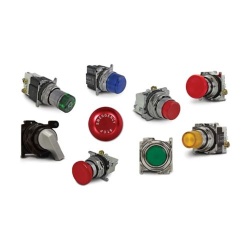
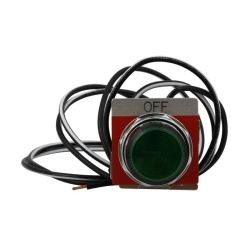
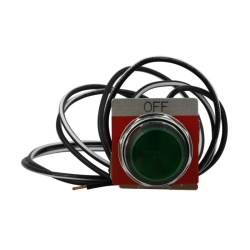
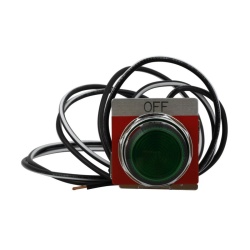
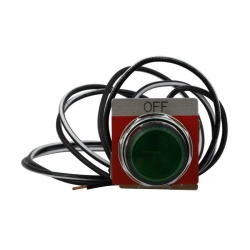
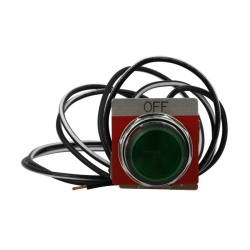
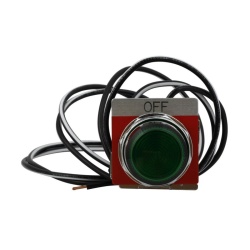
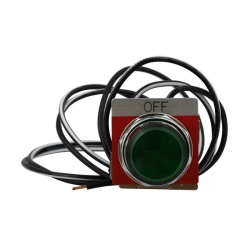
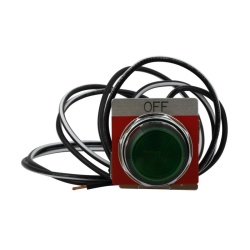
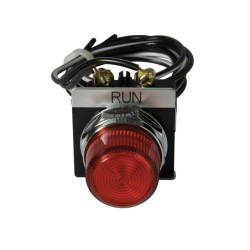
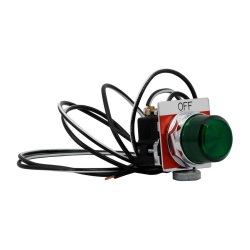
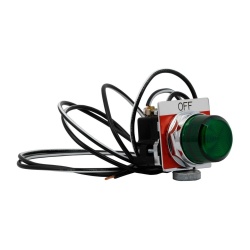
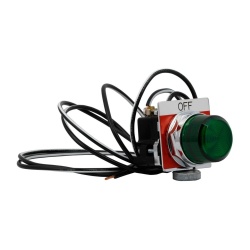
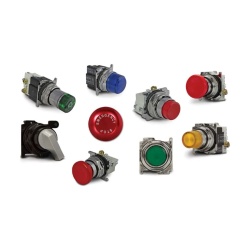
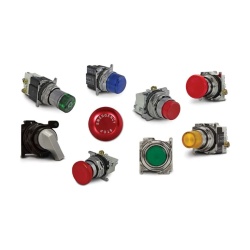
Pilot devices fall into three primary categories: visual indicators, audio indicators, and actuators. Visual indicators include pilot lights, signal towers, strobes, and beacons that communicate machine or process status through color and illumination. Actuators allow operators to initiate or control system functions. Together, these devices form the core of industrial control and signaling systems. Pilot lights are available in a wide range of configurations, including LED and incandescent models, with colored lenses such as green, red, amber, white, and clear. Lens color is typically used to represent specific operating conditions. For example, green commonly indicates a system is off or de-energized, while red typically signals an energized or active condition. Designed for durability, industrial pilot lights are built to withstand vibration, dust, moisture, and demanding operating environments.
 ABB Pilot Lights
 Adalet Pilot Lights
 Appleton Pilot Lights
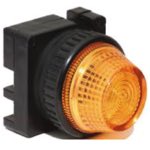 Benshaw Pilot Lights
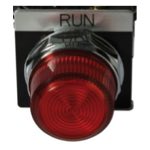 Eaton Pilot Lights
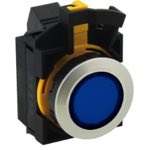 IDEC Pilot Lights
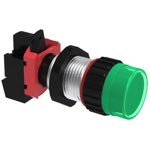 Killark Pilot Lights
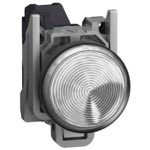 Schneider Electric Pilot Lights
FAQs
Q: What are industrial pilot lights used for?
Industrial pilot lights are used to provide visual indication of circuit status, machine operation, alarms, or changing conditions in control systems.
Q: What is the difference between pilot lights and other pilot devices?
Pilot lights are visual indicators, while other pilot devices include audio indicators like buzzers and actuators such as push buttons and selector switches that control system functions.
Q: What types of lamps are used in pilot lights?
Pilot lights commonly use LED or incandescent lamps, with LEDs being preferred for long life, low power consumption, and reliability.
Q: What do different pilot light colors indicate?
Colors are used to represent operating conditions. Green typically indicates off or normal status, red indicates an energized or active condition, amber signals caution or abnormal status, and white or clear is often used for general indication.
Q: Where are industrial pilot lights commonly installed?
They are commonly installed in control panels, motor control centers, machinery, automation systems, and industrial equipment.
Why Buy Industrial Pilot Lights from RSP Supply
RSP Supply offers a comprehensive selection of industrial pilot lights from trusted manufacturers including ABB, Adalet, Appleton, Benshaw, Eaton, IDEC, Killark, and Schneider Electric. Our pilot light solutions are designed for reliable visual indication, long service life, and dependable performance in demanding industrial control applications.