

UPS Power Supply
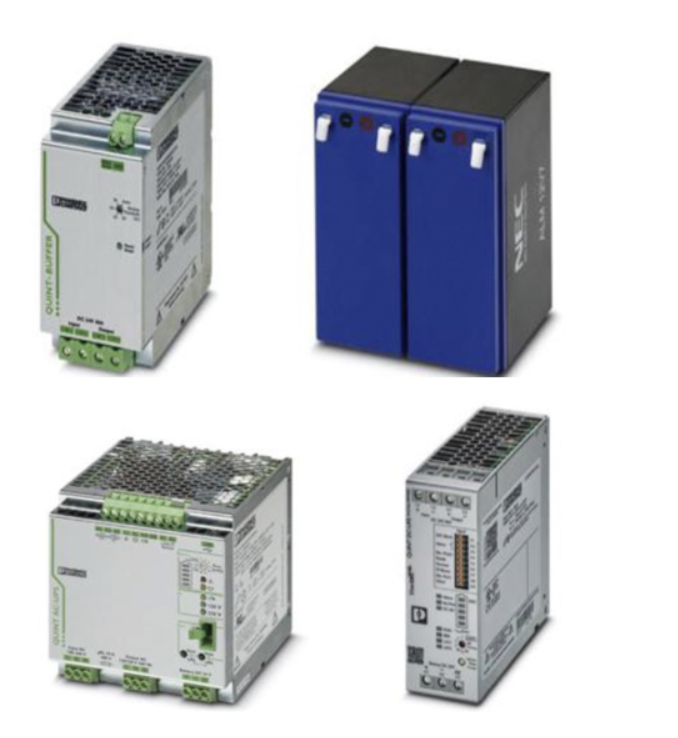
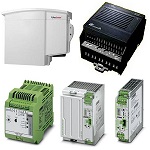
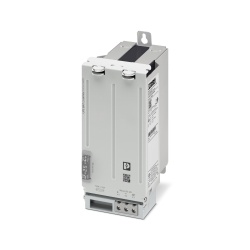
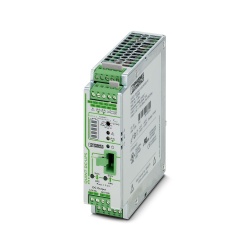
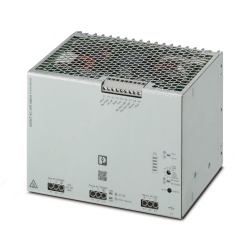
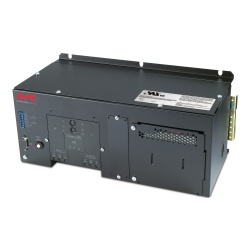
A UPS power supply, or uninterruptible power supply, is used to provide short-term backup power and protect connected equipment during power outages or electrical disturbances. UPS systems help stabilize AC power, reduce the impact of voltage fluctuations, and safeguard sensitive electronics from power spikes and interruptions. They are widely used in home offices, commercial buildings, data environments, and industrial control systems where power reliability is critical.
UPS systems are available in several configurations, including standby or offline, line-interactive, and online double-conversion designs. Line-interactive UPS systems correct minor voltage variations without switching to battery power, helping maintain consistent output during common power disturbances. When a complete power failure occurs, the UPS supplies battery power instantly, allowing connected equipment to continue operating or shut down safely based on system settings.
For applications requiring a higher level of protection, online UPS systems provide continuous power through the battery and inverter, isolating equipment from incoming utility power. This design offers superior protection against voltage instability, frequency variations, and electrical noise. Selecting the appropriate UPS depends on power quality requirements, load sensitivity, and the level of uptime needed to protect data, processes, and equipment.

















FAQs
Q: What is a UPS power supply used for?
A UPS power supply is used to provide backup power during outages, protect equipment from power surges, and stabilize voltage for sensitive electronic and electrical devices.
Q: What is the difference between standby, line-interactive, and online UPS systems?
Standby UPS systems provide basic surge protection and battery backup. Line-interactive systems add voltage regulation to correct minor fluctuations. Online UPS systems continuously supply power through the battery and inverter, offering the highest level of power conditioning and isolation.
Q: Are UPS systems intended for long-term power backup?
No, UPS systems are designed to provide short-term backup power. They allow time for safe shutdown, data protection, or transition to an alternate power source such as a generator.
Q: Why is power quality important when selecting a UPS?
Poor power quality can damage sensitive equipment. A UPS helps ensure stable voltage, frequency, and waveform characteristics, protecting devices from electrical disturbances.
Q: What types of batteries are commonly used in UPS systems?
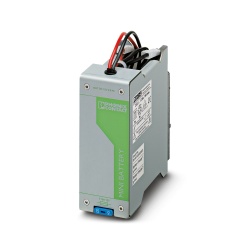
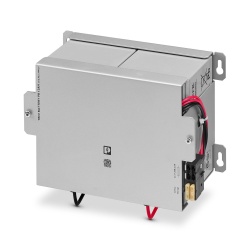
Many UPS systems use sealed lead-acid batteries due to their reliability, leak-resistant design, and suitability for backup power applications.
Why Buy UPS Power Supplies from RSP Supply
RSP Supply offers a wide selection of UPS power supplies suited for residential, commercial, and industrial applications. Our products support reliable backup power, surge protection, and power conditioning for sensitive equipment. Customers rely on RSP Supply for dependable solutions, technical expertise, and components that help protect critical systems from power interruptions and electrical disturbances.