
ABB Safety Relays
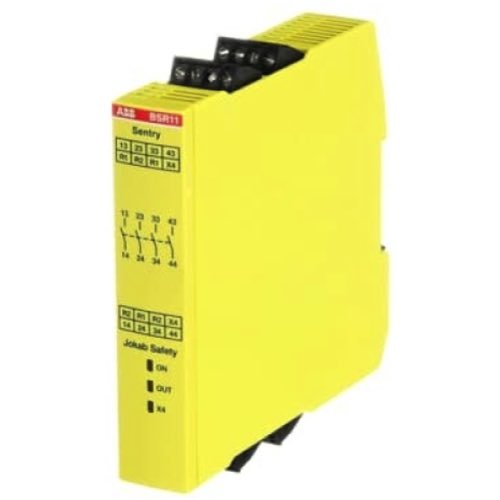
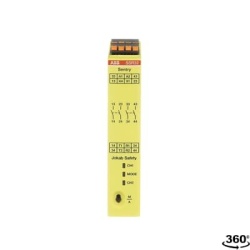
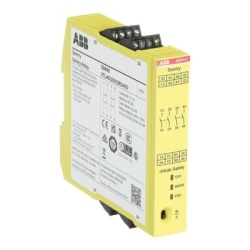
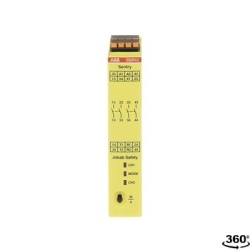
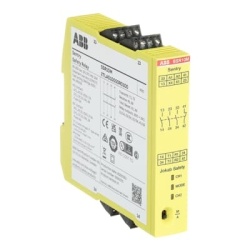
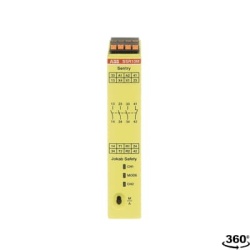
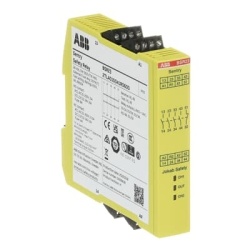
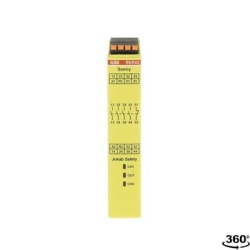
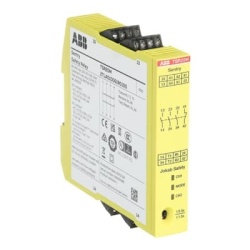
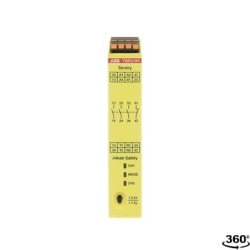
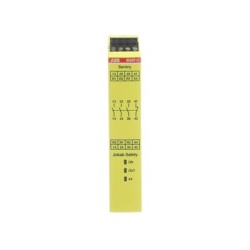
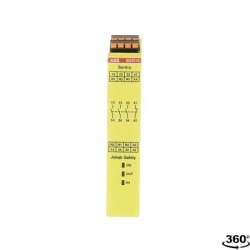
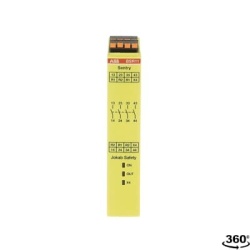
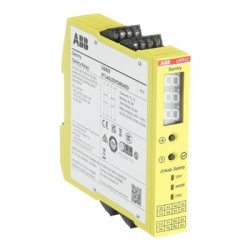
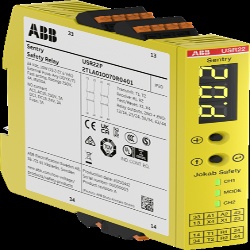
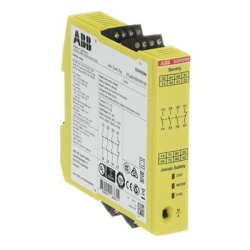
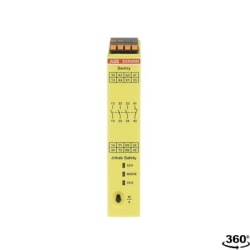
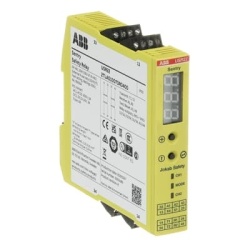
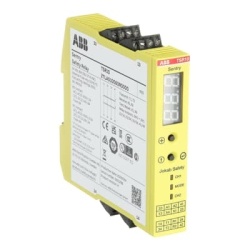
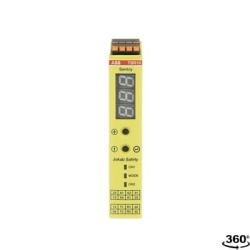
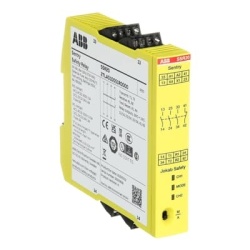
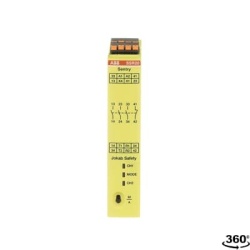
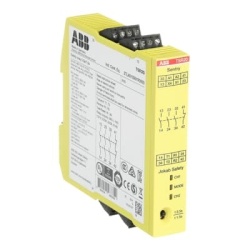
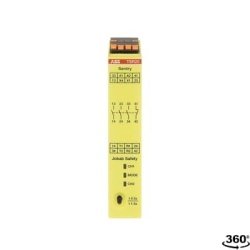
ABB Safety Relays are safety control modules designed to monitor safety inputs and reliably de-energize safety outputs to bring a machine to a safe state when hazardous conditions are detected. Commonly applied in industrial automation systems, these relays supervise emergency stops (E-stops), safety door switches and interlocks, light curtains, and two-hand control stations. When a monitored safety device is activated or a fault condition is detected, the relay opens its safety contacts to remove power from hazardous motion or energy sources such as motor circuits, contactors, or pneumatic valves to help prevent unintended machine operation.
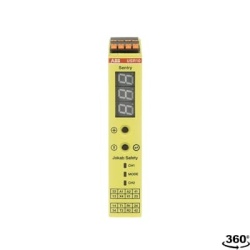
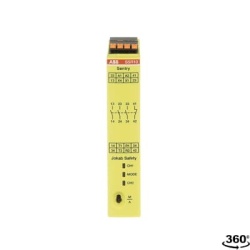
Built for industrial environments, ABB safety relays are typically compact and DIN-rail mounted for straightforward control panel integration. Many models provide practical features for commissioning and maintenance, including LED status indication, selectable manual or automatic reset, external device monitoring (EDM) for feedback loop supervision, and integrated timing functions for controlled stop or restart behavior (model dependent). These features support consistent machine safety design while helping reduce troubleshooting time during installation and service.
ABB safety relays are used across manufacturing lines, packaging equipment, robotics cells, conveyors, and material handling systems where functional safety requirements apply. When properly selected and integrated into a validated safety function, these relays help support required Performance Levels (PL) and Safety Integrity Levels (SIL) as part of an overall machine safety architecture.
FAQs
Q: What are ABB safety relays used for?
ABB safety relays monitor safety devices and initiate safe shutdowns of machinery when unsafe conditions, such as an emergency stop activation or an open safety guard, are detected.
Q: How are ABB safety relays different from standard relays?
ABB safety relays use redundant internal circuits and self-monitoring logic to support fail-safe operation. Standard relays are not designed to provide the same diagnostic coverage or safety-rated behavior.
Q: What safety devices can be connected to ABB safety relays?
Common devices include emergency stop buttons, safety door switches and interlocks, safety light curtains, two-hand control devices, and other safety input devices used in machine guarding.
Q: Are ABB safety relays suitable for complex safety applications?
Yes. ABB offers models that support multiple safety input types and may include timer functions or broader safety logic capabilities, depending on the relay series and application needs.
Q: Where are ABB safety relays typically installed?
They are typically installed in industrial control panels as part of machine safety circuits for automation lines, robotics cells, packaging machinery, conveyors, and material handling systems.
Why Buy ABB Safety Relays from RSP Supply
RSP Supply offers ABB safety relays for emergency stop monitoring, interlock supervision, and machine safety circuit control in industrial automation environments. Our selection supports common panel integration requirements such as DIN-rail mounting, reset options, feedback monitoring, and diagnostic indication (model dependent). Customers rely on RSP Supply for knowledgeable support, dependable sourcing, and safety components that integrate cleanly into functional safety designs.